‘2026 Is the New 2016’: Why Social Media Is Obsessed With a Decade-Old Past
From Snapchat filters to pop culture throwbacks, the ‘2026 is the new 2016’ trend reveals why the internet is craving a simpler digital past.
 aaravi_editor
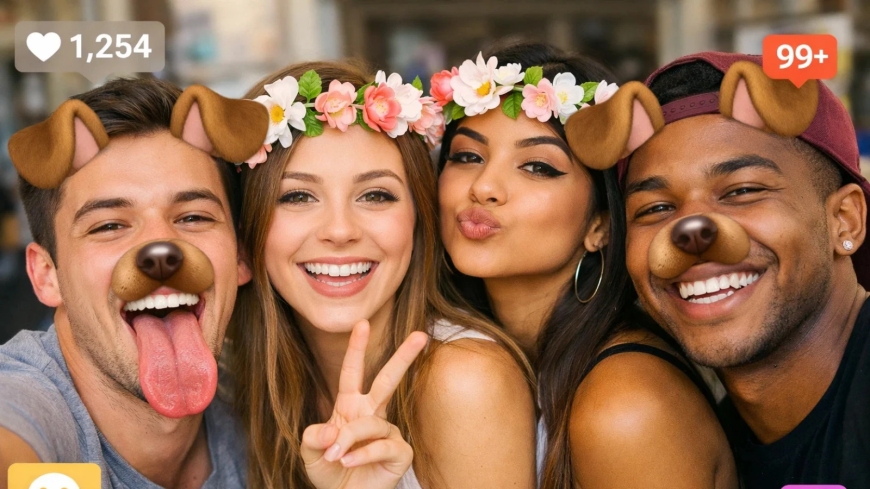
Just weeks into 2026, social media has gone into full nostalgia mode. Instagram and TikTok feeds are being flooded with grainy selfies, low-resolution phone photos, Snapchat-filtered faces, and forgotten screenshots as users scroll back through their camera rolls to relive life from a decade ago. The most common caption tying these posts together reads: “2026 is the new 2016.”
From pixelated iPhone photos and flower-crown filters to Pokémon Go screenshots and Dubsmash clips, the internet is collectively revisiting a year that now feels comfortingly distant. Thick eyebrows, glossy makeup, shaky videos and filters that softened every flaw have returned, turning timelines into lo-fi memory lanes.
The throwback trend has exploded since the start of the year. According to the BBC, searches for “2016” on TikToksurged by over 450% in early January, while millions of videos using retro-style filters inspired by the era have gone viral. The hashtag #2016 has already crossed one million posts on TikTok and tens of millions on Instagram.
Celebrities Join the Nostalgia Wave
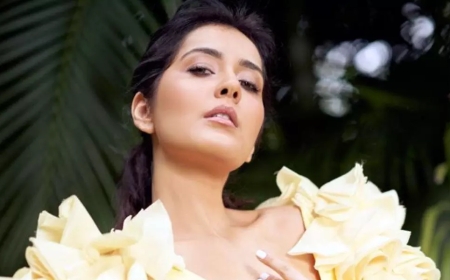
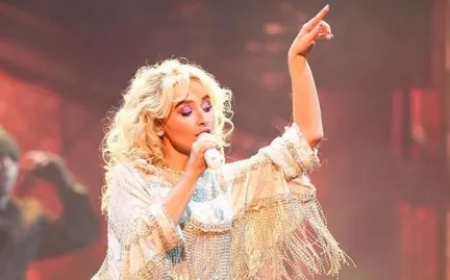
The trend hasn’t spared celebrities. Selena Gomez shared throwback images from her tour days, while Charlie Puthrevisited his 2016 hit We Don’t Talk Anymore in a nostalgic lip-sync video. In India, actors Kareena Kapoor Khan and Ananya Panday also joined the trend, posting decade-old photos that captured the unmistakable vibe of that year.
What Is the ‘2026 Is the New 2016’ Trend?
At its simplest, the trend involves posting photos or videos from 2016 — often over-filtered, unpolished and unapologetically dramatic — offering followers a glimpse into who people were ten years ago. Many posts include personal reflections, explaining why that year mattered or what life felt like at the time.
Visually, the trend is instantly recognisable: bold brows, glossy lips, pencil skirts with boots, and iconic Snapchat dog-ear and flower-crown filters. But beyond aesthetics, the movement reflects a deeper emotional pull.
For many users, 2016 symbolises a world that felt less overwhelming — before the pandemic, before nonstop misinformation, and before AI-generated content reshaped social platforms. Even Instagram leaned into the sentiment, sharing throwback posts and reminding users that 2016 was also the year it introduced its now-iconic logo redesign.
Back then, Boomerangs ruled feeds, Retrica was the go-to photo app, and Dubsmash turned ordinary households into viral content hubs. It was chaotic, messy, and carefree — qualities many users now miss.
Pop Culture That Defined 2016
The nostalgia extends beyond selfies. 2016 delivered pop-culture moments that shaped a generation. Taylor Swiftdebuted her bleached hair at Coachella, while Rae Sremmurd sparked the viral Mannequin Challenge with Black Beatles. Radio charts were dominated by Drake and The Chainsmokers, and Vine was still alive before shutting down in 2017.
In India, Aishwarya Rai Bachchan made global headlines with her purple lipstick at Cannes, while Kareena Kapoor Khan redefined maternity fashion by walking the ramp while pregnant. Film fans remember 2016 as the year Leonardo DiCaprio finally won his first Oscar for The Revenant. It was also the year Netflix launched in India, changing entertainment consumption forever — and when the bizarrely catchy PPAP (Pen-Pineapple-Apple-Pen) took over the internet.
Taken together, these memories explain why the internet is so eager to rewind. The “2026 is the new 2016” trend isn’t just about old photos — it’s about briefly returning to a time that felt simpler, louder, messier, and more fun.