
What Those Tyre Sidewall Codes Really Mean—and Why Ignoring Them Can Be Dangerous
Tyre sidewall markings like A, B, C and speed ratings reveal vital safety details. Learn how to read them and why they matter for safe driving.
 aaravi_editor
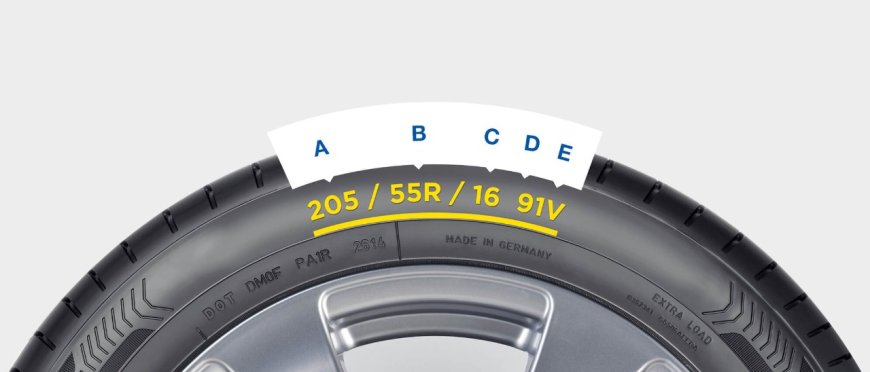
When buying a new car or replacing old tyres, most people focus on the brand and price. What often gets ignored are the letters and numbers printed on the tyre’s sidewall—codes like 195/55 R16 87V or Traction A. These markings are not technical jargon meant only for experts. They are, in fact, a built-in safety guide that reveals crucial details about a tyre’s performance, durability, and limits.
Understanding these codes can significantly improve road safety by helping drivers choose tyres suited to their driving conditions, climate, and vehicle type.
Heat Resistance Rating (A, B, C)
As tyres roll on the road, friction generates heat. A tyre’s ability to withstand this heat is shown under the “Temperature” rating and is graded as A, B, or C.
-
Grade A: Highest heat resistance; safest option, especially for hot climates and long highway drives
-
Grade B: Moderate heat tolerance
-
Grade C: Lowest heat resistance; may be risky during high speeds or extended travel
In countries with hot weather conditions, tyres with Grade A heat resistance are strongly recommended.
Traction Rating (AA, A, B, C)
Traction ratings indicate how well a tyre can grip the road during sudden braking, especially on wet surfaces.
-
AA and A: Excellent grip and shorter braking distance
-
B and C: Average grip; longer stopping distance and reduced control
Higher traction ratings directly translate to better braking performance and improved safety.
Speed Rating: Maximum Safe Speed
The letter following the tyre size represents the maximum speed the tyre can safely handle.
-
S: Up to 180 kmph
-
T: Up to 190 kmph
-
H: Up to 210 kmph (common for passenger cars)
-
V: Up to 240 kmph
Driving consistently above a tyre’s rated speed can lead to overheating and potential tyre failure.
How to Check Tyre Expiry Date (4-Digit Code)
Every tyre carries a four-digit manufacturing code, such as 2423.
-
24 = 24th week
-
23 = Year 2023
This means the tyre was manufactured in the 24th week of 2023.
Experts warn that tyres older than five to six years should not be used—even if they appear unused. Over time, rubber hardens, loses grip, and increases the risk of skidding or blowouts.
Why These Codes Matter
Ignoring tyre ratings can compromise braking efficiency, heat resistance, and overall control. Paying attention to these small markings can make a big difference—helping drivers choose safer tyres and avoid preventable accidents.