Major Events of Bangladesh
Bangladesh, a vibrant South Asian nation, has a rich history shaped by political struggles, cultural movements, economic transformations, and natural challenges
 Avya7800
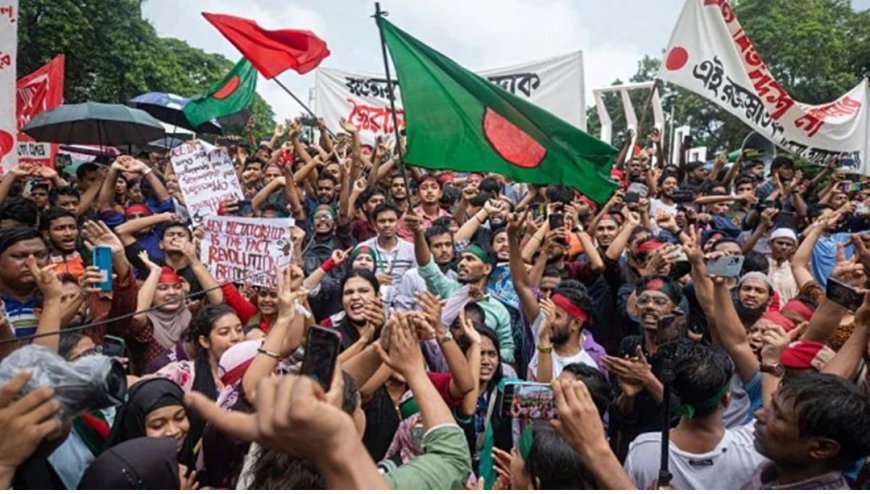
1. The Birth of Bangladesh (1971)
The most defining event in Bangladesh’s history is its independence from Pakistan in 1971. The roots of this struggle lie in political and cultural discrimination faced by East Pakistan (now Bangladesh) by West Pakistan.
The turning point came with the Bangladesh Liberation War. Following the refusal to transfer power after the 1970 elections, tensions escalated. On March 25, 1971, Pakistan launched a military operation, leading to widespread violence.
Under the leadership of Sheikh Mujibur Rahman, the people of East Pakistan declared independence. India supported the liberation movement, and after a nine-month war, Bangladesh emerged as an independent nation on December 16, 1971.
2. Post-Independence Challenges (1972–1975)
After independence, Bangladesh faced severe challenges including poverty, famine, and political instability. The country adopted a constitution in 1972 based on nationalism, socialism, democracy, and secularism.
However, economic difficulties and governance issues led to unrest. In 1974, Bangladesh experienced a devastating famine, which caused widespread suffering and loss of life.
In 1975, a tragic event shook the nation when Assassination of Sheikh Mujibur Rahman took place. The country’s founding leader was killed along with most of his family members, leading to a period of military coups and political uncertainty.
3. Military Rule and Political Instability (1975–1990)
Following the assassination of Sheikh Mujibur Rahman, Bangladesh entered a phase of military rule. Leaders like Ziaur Rahman and later Hussain Muhammad Ershad came to power.
During this period:
Political parties were restructured
Economic reforms were introduced
Islam was incorporated into state policies
However, public dissatisfaction grew due to lack of democracy. Mass protests and movements eventually led to the سقوط (fall) of Ershad’s regime in 1990, restoring democratic governance.
4. Return to Democracy (1991 Onwards)
In 1991, Bangladesh returned to a parliamentary democracy. Since then, politics has largely been dominated by two major parties:
Awami League
Bangladesh Nationalist Party
Key leaders include:
Sheikh Hasina
Khaleda Zia
Political rivalry between these parties has often led to strikes, protests, and instability, but democratic institutions have gradually strengthened over time.
5. Economic Growth and Development
One of the most remarkable developments in Bangladesh is its economic progress. From being one of the poorest countries at independence, Bangladesh has become one of the fastest-growing economies in Asia.
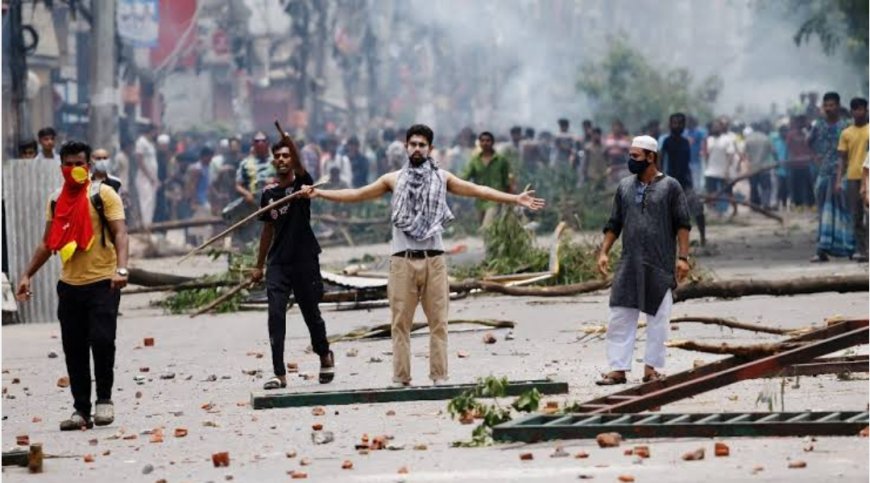
Key events and milestones include:
Growth of the ready-made garment (RMG) industry
Increase in remittances from overseas workers
Expansion of microfinance institutions like Grameen Bank
Bangladesh has achieved significant improvements in:
Poverty reduction
Literacy rates
Women’s empowerment
The country has also met many of the United Nations’ development goals.
6. Natural Disasters and Climate Challenges
Bangladesh is highly vulnerable to natural disasters such as cyclones, floods, and river erosion.
Major events include:
The 1991 cyclone, which caused massive destruction
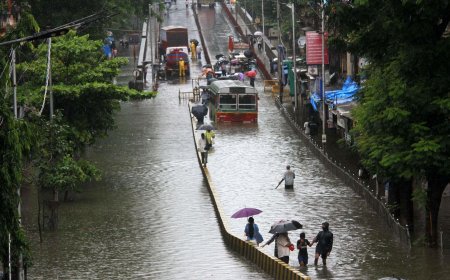
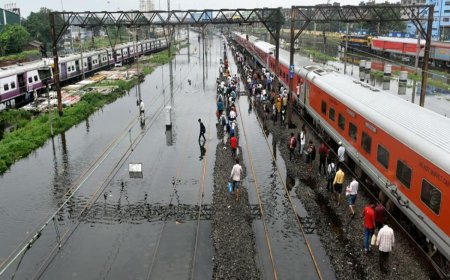
Recurrent flooding affecting millions of people
Increasing impact of climate change
Despite these challenges, Bangladesh has made progress in disaster management through early warning systems and community preparedness.
7. War Crimes Trials (2010s)
One of the most significant political and judicial events in recent history is the trial of war criminals involved in the 1971 Liberation War.
The government established the International Crimes Tribunal to prosecute individuals accused of atrocities during the war. These trials sparked both support and controversy, leading to protests and political tensions.
8. Digital Bangladesh Initiative
In the 21st century, Bangladesh has embraced technology through the “Digital Bangladesh” vision.
Key developments include:
Expansion of internet access
Growth of mobile banking and digital payments
Development of IT and outsourcing industries
This initiative has transformed governance, education, and business, making services more accessible to citizens.
9. Rohingya Refugee Crisis
A major humanitarian event affecting Bangladesh is the influx of Rohingya refugees from Myanmar.
Since 2017, millions of refugees have taken shelter in camps in southeastern Bangladesh, particularly in Cox’s Bazar. This crisis has posed significant challenges in terms of resources, security, and international relations.
10. Infrastructure Development
Bangladesh has undertaken major infrastructure projects to boost economic growth.
One of the most notable achievements is the Padma Bridge, inaugurated in 2022. This bridge has improved connectivity between the southwestern region and the rest of the country.
Other projects include:
Metro rail systems in Dhaka
Expansion of highways and ports
Development of power plants
11. Social and Cultural Developments
Bangladesh has a rich cultural heritage, and several events highlight its identity.
The Language Movement is a key historical event that led to the recognition of Bengali as a state language. This movement is commemorated annually on February 21 as International Mother Language Day.
Cultural festivals, literature, music, and cinema continue to thrive, contributing to national pride and global recognition.
12. COVID-19 Pandemic
Like the rest of the world, Bangladesh was significantly affected by the COVID-19 pandemic.
Major impacts included:
Health crisis and loss of lives
Economic slowdown
Disruption of education
The government implemented vaccination drives and relief measures to manage the situation.
13. Recent Political and Economic Trends
In recent years, Bangladesh has continued to grow economically but has also faced challenges such as:
Inflation and global economic pressures
Political tensions and election-related issues
Concerns about freedom of expression
Despite these challenges, Bangladesh remains a key player in South Asia with strong growth potential.
Conclusion
The history of Bangladesh is a story of resilience, struggle, and progress. From the خونखार संघर्ष of the Bangladesh Liberation War to its emergence as a rapidly developing nation, Bangladesh has overcome numerous challenges.
Its journey includes political upheavals, economic transformation, social progress, and technological advancement. While challenges remain, the country’s achievements in development, disaster management, and human welfare are commendable.