
Detailed and well-structured description of the Ayodhya Temple
Detailed and well-structured description of the Ayodhya Temple Here is a detailed and well-structured description of the Ayodhya Temple in simple and informative language.
 Avya7800
🛕 Ayodhya Temple –
Introduction
The Ram Mandir Ayodhya is one of the most important religious sites in India. It is dedicated to
👉 Lord Rama, who is believed to be the seventh incarnation of Lord Vishnu.
Located in the ancient city of
👉 Ayodhya, this temple holds deep spiritual, cultural, and historical significance for millions of Hindus around the world.
🏛️ Historical Background
Ayodhya is considered the birthplace of
Lord Rama, making it one of the most sacred cities in Hinduism.
Ancient Beliefs:
Mentioned in the epic Ramayana
Revered as a holy pilgrimage site for centuries
The temple site has a long and complex history, with religious and cultural importance spanning thousands of years.
⚖️ Ayodhya Dispute and Resolution
The Ram Mandir site was at the center of a long-standing dispute.
Key Event:
In 2019, the Supreme Court of India gave a historic judgment.
Outcome:
Land allocated for Ram Temple construction
Alternative land given for mosque construction
This decision paved the way for the construction of the temple.
🧱 Construction of the Temple
The construction of the
Ram Mandir Ayodhya officially began after the foundation ceremony (Bhoomi Pujan) in 2020.
Key Features:
Built using traditional Indian architecture
Made of sandstone
Designed to last for centuries
The construction is being managed by the
👉 Shri Ram Janmabhoomi Teerth Kshetra.
🏗️ Architecture and Design
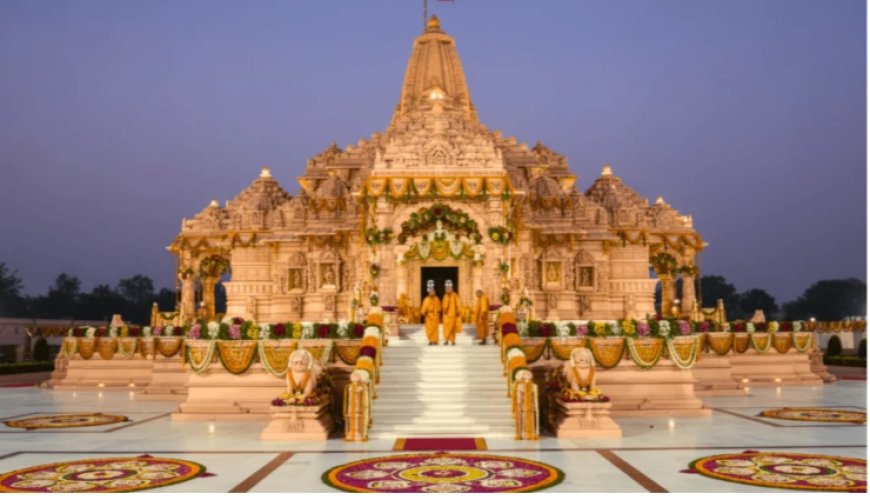
The temple reflects classical Hindu temple architecture.
Structure:
Nagara style architecture
Grand entrance and pillars
Beautiful carvings and sculptures
Highlights:
Multi-story structure
Large prayer hall
Intricate stone work
The design symbolizes India’s rich cultural heritage.
🌟 Spiritual Significance
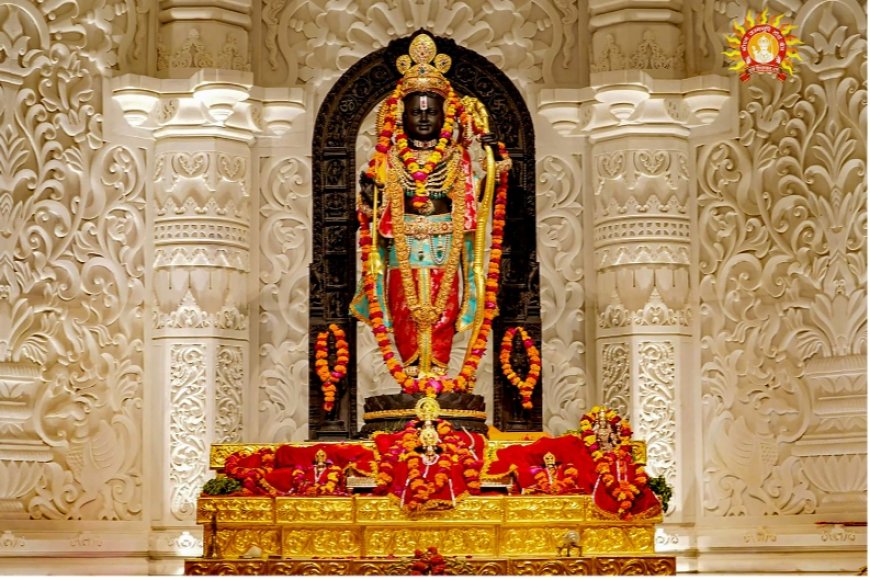
The temple is a major center of devotion.
Importance:
Birthplace of Lord Rama
Sacred pilgrimage site
Symbol of faith and unity
Millions of devotees visit Ayodhya to seek blessings.
🎉 Inauguration and Opening
The temple was inaugurated in January 2024.
Key Highlights:
Grand ceremony attended by leaders and devotees
Nationwide celebrations
Cultural and religious programs
This event marked a historic moment in Indian history.
🙏 Religious Practices
Devotees participate in various rituals:
Aarti (prayer ceremony)
Bhajans (devotional songs)
Darshan (viewing the deity)
These practices create a spiritual atmosphere.
🌆 Ayodhya as a Pilgrimage City
Ayodhya has become a major pilgrimage destination.
Developments:
Improved infrastructure
New roads and facilities
Increased tourism
The city is transforming into a global spiritual hub.
💼 Economic Impact
The temple has boosted the local economy:
Growth in tourism
Employment opportunities
Development of hotels and businesses
It plays a key role in regional development.
🌍 Cultural Importance
The Ram Mandir represents Indian culture and traditions.
Promotes Hindu heritage
Strengthens cultural identity
Inspires art and literature
⚠️ Challenges
The project faced several challenges:
Legal disputes
Political debates
Construction complexities
Despite this, the temple was completed successfully.
🔮 Future Prospects
The future of the
Ram Mandir Ayodhya is very promising.
Increase in international tourism
Development of Ayodhya as a heritage city
Promotion of cultural tourism
📌 Conclusion
The Ram Mandir Ayodhya is not just a temple—it is a symbol of faith, history, and cultural pride. Located in Ayodhya, it represents the devotion of millions of people towards Lord Rama.
With its grand architecture, deep spiritual significance, and historical importance, the Ayodhya Temple stands as one of the most remarkable landmarks in India.