Sunel Chhetri's Plea on ISL: Indian football icon Sunil Chhetri made an emotional public appeal to the Tata Group to reconsider Jamshedpur FC's shocking decision to withdraw from the Indian Super League (ISL), calling it a "punch to the gut" for the sport
Sunel Chhetri's Plea on ISL: Indian football icon Sunil Chhetri made an emotional public appeal to the Tata Group to reconsider Jamshedpur FC's shocking decision to withdraw from the Indian Super League (ISL), calling it a "punch to the gut" for the sport
 Madhavisanvi
Indian sports have long been viewed through a single-lens monocle dominated predominantly by cricket. Yet, over the past couple of decades, football has steadily carved out a passionate, dedicated, and rapidly expanding niche across the country. With the establishment and growth of the Indian Super League (ISL), professional football in India received a much-needed shot in the arm—bringing modern infrastructure, global managerial expertise, international superstars, and a structured domestic platform where young Indian talents could rub shoulders with the best.
However, a thunderous shockwave recently rippled through the Indian sporting fraternity. One of India’s most revered and historically stable corporate houses, the Tata Group, reportedly made the monumental decision to withdraw Jamshedpur FC from the Indian Super League (ISL). This unexpected move has left fans, administrators, players, and stakeholders grappling with disbelief and deep concern.
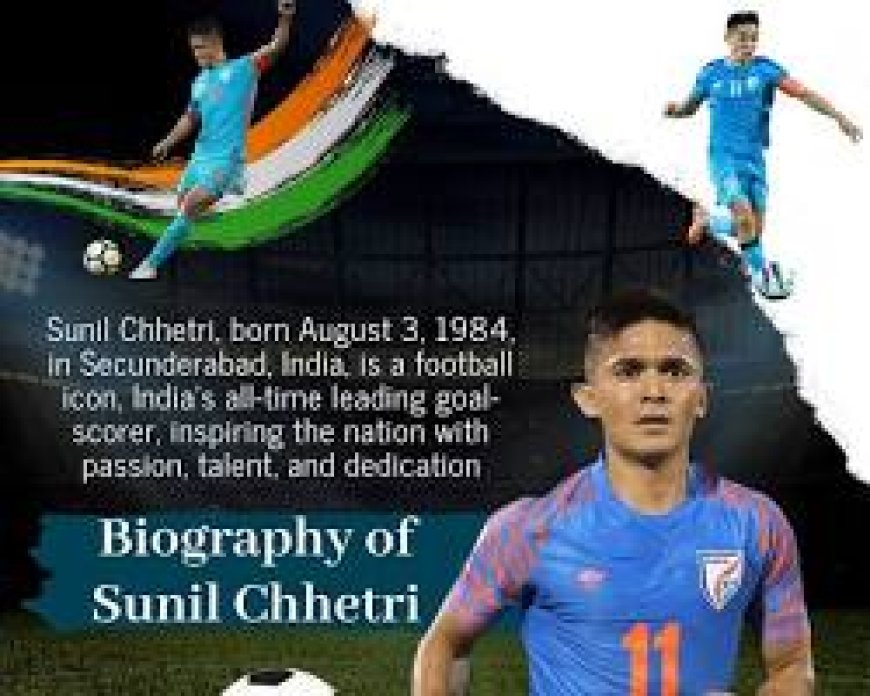
Stepping into the fray with characteristic leadership and deep passion, legendary Indian football icon and former national team captain Sunil Chhetri publicly urged the Tata Group to reconsider its decision. Chhetri did not mince words, warning that the exit of a legacy institution like the Tatas from top-tier club football would deal a "massive blow" to the entire domestic league ecosystem.
1. The Heritage of Jamshedpur FC and the Tata Group’s Legacy
To truly comprehend the gravity of this situation, one must look beyond standard corporate sponsorships and examine the foundational roots of Jamshedpur FC. The steel city of Jamshedpur in Jharkhand is affectionately regarded as one of the historic cradles and nurseries of Indian football.
-
The Pillar of the Tata Football Academy (TFA): The Tata Group's association with Indian football is decades old. Founded in 1987, the Tata Football Academy (TFA) served for years as the single most reliable feeder system for the Indian national team, producing countless international stars who wore the national colors with distinction.
-
Entry into the ISL (2017): When Jamshedpur FC was formally introduced as an ISL franchise in 2017, it marked a progressive milestone. It symbolized that Indian football was transitioning into a professional, sustainable era. The club invested heavily in world-class training facilities, youth structures, and grassroots development programs across Jharkhand.
-
A Dedicated Fan Base: The JRD Tata Sports Complex regularly transformed into a cauldron of fervent support, filled with thousands of passionate local fans. The club fostered a deep emotional connection with the city's residents. Consequently, the prospect of Jamshedpur FC pulling out of the ISL threatens to sever a vital cultural and sporting lifeline for eastern India.
2. Sunil Chhetri’s Appeal: A Voice of Reason and Experience
Sunil Chhetri’s stature in Indian sports is unparalleled. Having dedicated his life, sweat, and heart to the national jersey, Chhetri’s perspective carries immense weight. His intervention was not merely that of an active player defending his turf, but of a veteran statesman deeply worried about the future trajectory of the sport.
-
The Domino Effect on the Ecosystem: Chhetri underscored that when a trusted corporate giant like the Tata Group—known for its uncompromising values, integrity, and long-term vision—steps away, it sends a chilling message to current and prospective investors. It creates an atmosphere of instability and doubt regarding the economic viability of Indian football.
-
The Human Cost and Livelihoods: Beyond the corporate balance sheets, football clubs sustain hundreds of livelihoods—ranging from young academy prospects and professional players to coaches, physiotherapists, media teams, and groundstaff. The sudden dismantling of a franchise disrupts careers and shatters the dreams of countless aspiring youngsters.
-
A Direct Plea for Reconsideration: Chhetri’s appeal implored the top leadership of the Tata Group to weigh the decades of goodwill they have built in Indian football against short-term challenges. He urged them to look at the bigger picture—the thousands of kids whose dreams are fueled by seeing Jamshedpur FC compete at the highest level.
3. Structural and Financial Realities Plaguing the ISL
Jamshedpur FC’s potential withdrawal is not an isolated incident born of a vacuum; rather, it highlights systemic vulnerabilities and commercial hurdles facing club football in India.
-
Financial Sustainability and Operational Costs: Operating a top-tier football club in India requires substantial capital injection year after year. Unfortunately, unlike European leagues boasting massive broadcast deals and lucrative match-day revenue streams, Indian clubs rely heavily on corporate backing and owners' pockets to absorb heavy operational losses.
-
Monetization and Sponsorship Challenges: Despite a dedicated digital audience and passionate pockets of fandom, football in India struggles to command the kind of mainstream corporate sponsorship and advertising dollars that cricket consistently attracts. Without a robust financial model, club owners often find themselves questioning long-term returns on investment.
-
The Delicate Balance of Franchise Models: The ISL operates on a closed-league franchise model. When foundational investors pull out, finding replacement owners with matching corporate pedigree, infrastructure, and grassroots commitment is an uphill battle for league administrators.
4. The Potential Fallout for Indian Football
If Jamshedpur FC ultimately finalizes its exit from the ISL without a seamless transition or a reversal of the decision, the ramifications could be severe across multiple fronts:
-
Erosion of Investor Confidence: Future corporate entities looking to invest in Indian sports may exercise extreme caution, fearing a lack of long-term stability within the domestic football framework.
-
Setback to Grassroots Pathways: The disruption of established club structures directly impacts youth scouting and academy systems, narrowing the talent pipeline that feeds national age-group and senior teams.
-
Diminution of League Quality and Reach: Losing a well-managed club with a rich legacy diminishes the competitive depth, geographic representation, and overall entertainment value of the Indian Super League.
5. Conclusion: A Critical Crossroads for the Beautiful Game
Sunil Chhetri’s passionate plea serves as a critical wake-up call for everyone invested in the sport. It emphasizes that building a footballing nation takes generations of painstaking effort, but it can be severely destabilized in a moment of corporate or administrative friction.
The need of the hour is a collaborative dialogue between the All India Football Federation (AIFF), league organizers, club owners, and corporate stakeholders. A sustainable, transparent, and financially viable roadmap must be engineered to ensure that legacy brands like the Tata Group feel valued, secure, and motivated to continue their historic patronage. If answered positively, Chhetri’s appeal could save a vital pillar of Indian football from collapsing, preserving the dreams of millions who bleed blue for the beautiful gam