Major Flood Situation in Odisha: Northern Districts Face Rising Water Levels and Fresh Rain Threat
Major Flood Situation in Odisha: Northern Districts Face Rising Water Levels and Fresh Rain Threat
 Madhavisanvi
Major Flood Situation in Odisha: Northern Districts Face Rising Water Levels and Fresh Rain Threat
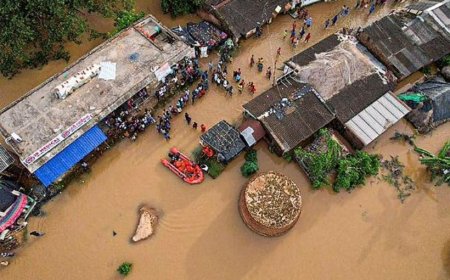
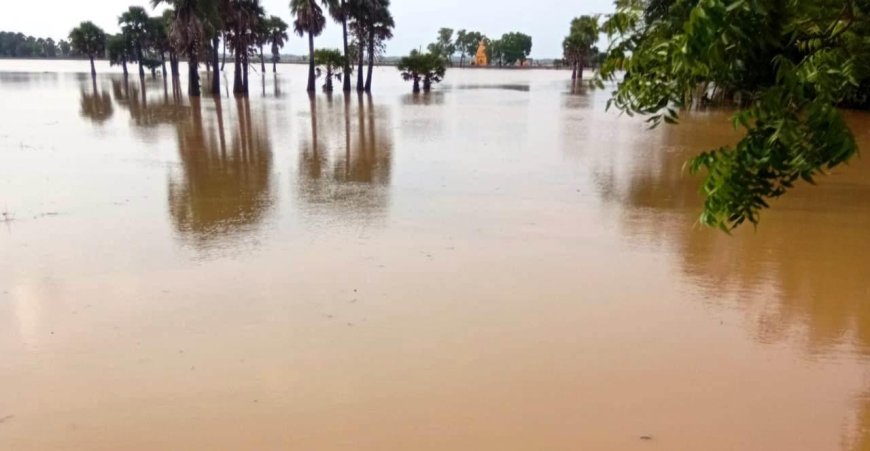
Odisha is facing a serious and rapidly evolving flood situation, with northern and coastal districts coming under increasing pressure from swollen rivers, persistent rainfall and inundation of low-lying areas. The Baitarani and Brahmani rivers have risen significantly, raising concerns in vulnerable districts such as Bhadrak, Jajpur and Kendrapara. Other river systems, including the Salandi, Jalaka and Budhabalanga, have also contributed to the wider flood situation. Recent reports indicate that hundreds of villages have been affected and large numbers of people have been moved to safer locations as authorities intensify rescue, relief and monitoring operations.
A serious monsoon challenge for Odisha
Flooding is a recurring monsoon challenge in Odisha because of the state's extensive river network, low-lying coastal plains and exposure to periods of intense rainfall. When heavy rain falls simultaneously over river catchments and downstream areas, rivers can rise quickly and drainage systems can become overwhelmed.
The current situation has developed after several days of substantial rainfall. A recent report said flooding had affected 947 villages across 49 blocks, while the Baitarani, Brahmani, Salandi, Jalaka and Budhabalanga rivers were swelling. The situation has been particularly concerning across northern Odisha.
The combination of continued rainfall and already-high river levels makes the situation more complicated. Even if rainfall decreases temporarily in one location, water flowing downstream from upstream catchments can continue to raise river levels several hours later. This means communities along riverbanks and in low-lying areas can remain at risk even after local rainfall has reduced.
Baitarani River becomes a major concern
The Baitarani River is one of the most important rivers in the present flood situation. It flows through parts of northern Odisha before reaching the coastal plains and ultimately the Bay of Bengal. Several areas along its lower reaches are particularly vulnerable when water levels rise rapidly.
Recent reports have highlighted rising water levels around the Baitarani basin and the resulting concerns in Bhadrak and Jajpur. News reports have also shown the river flowing at or around critical levels near monitoring locations, demonstrating how quickly the flood threat can intensify.
The danger from a swollen river is not limited to direct riverbank flooding. Water can enter agricultural fields, villages, roads and residential areas through drainage channels and breaches or overtopping of embankments. Once floodwater enters low-lying settlements, transportation and communication can become difficult.
For residents living close to the Baitarani, the most important concern is therefore not simply whether it is raining at a particular moment, but whether the river is continuing to rise and whether upstream rainfall is contributing additional water to the basin.
Brahmani River also under watch
The Brahmani River is another major focus of flood monitoring. Rising water in the Brahmani system can affect large areas of northern and coastal Odisha, particularly where tributaries, canals and local drainage networks interact with the main river.
Authorities are closely watching river levels because prolonged rainfall can create cumulative pressure on the river system. When the main river is already high, even moderate additional rainfall can slow the drainage of floodwater from surrounding areas.
The present high-alert situation therefore requires continuous coordination between state authorities, district administrations, disaster-response teams and local officials.
Bhadrak faces heightened risk
Bhadrak district is among the areas receiving particular attention because of its exposure to the Baitarani and other water systems.
Several parts of the district contain low-lying settlements and agricultural areas that can be affected when river levels rise. Flooding can disrupt roads, electricity, drinking-water supplies, schools, markets and healthcare access.
Recent reports said that schools have been closed in several districts, including Bhadrak, because of the continuing weather threat. Such decisions are primarily aimed at protecting students and staff and avoiding unnecessary movement during periods of heavy rain and flooding.
For families in vulnerable villages, the immediate priority is to follow instructions from district authorities and move to designated shelters when evacuation is ordered. Delaying evacuation because water has not yet entered a house can be dangerous because conditions can change rapidly at night or when an embankment is overtopped.
Jajpur remains vulnerable
Jajpur district is another major area of concern because of its location within the Baitarani river system. Several blocks and rural settlements can be exposed when river levels increase.
Flooding in Jajpur can have consequences beyond residential areas. Agricultural fields, roads and local infrastructure can become submerged, affecting farmers and daily wage workers whose livelihoods depend on normal transportation and access to markets.
One of the major difficulties during a flood is that water can remain in low-lying areas even after the river begins to fall. Therefore, the end of the immediate river-level threat does not necessarily mean that communities can immediately return to normal life.
Authorities need to assess the safety of roads, bridges, drinking-water sources, electricity infrastructure and houses before allowing evacuated residents to return.
Kendrapara and downstream areas
Kendrapara district is also vulnerable because of its coastal geography and extensive network of rivers and channels. When upstream rivers carry large volumes of water toward the coast, downstream areas can face prolonged waterlogging.
The situation can become more difficult when heavy rainfall occurs at the same time as high river levels. Drainage becomes slower, particularly in low-lying locations.
Residents in vulnerable areas are therefore being advised to remain alert and pay attention to official warnings. People should not attempt to cross flooded roads, streams or river channels simply because the water appears shallow. Fast-moving floodwater can be much deeper and stronger than it appears.
Thousands of people moved to safer locations
The scale of the response illustrates the seriousness of the situation. Reports from the state have indicated that large numbers of people have been moved from vulnerable areas to safer locations.
A report published on August 16 said about 2.37 lakh people had been evacuated, while flooding had affected 947 villages across 49 blocks. Earlier reports had also recorded the movement of more than 95,000 people to safer locations during the worsening phase of the floods. Evacuation is one of the most important measures during a major flood because it reduces the risk of deaths and injuries. However, evacuation also creates significant logistical challenges.
Authorities must arrange shelter, food, drinking water, sanitation, medicines, electricity and security for displaced families. Special arrangements are also necessary for elderly people, children, pregnant women, people with disabilities and those requiring regular medication.
Disaster-response teams on standby
The Odisha government and district administrations have strengthened disaster-response arrangements as the flood threat increases. Rescue teams, boats and emergency equipment are kept ready in vulnerable areas.
Odisha has considerable experience in disaster management because of its exposure to cyclones, floods and other extreme weather events. The state has developed systems for early warning, evacuation and coordination between district administrations and specialised disaster-response organisations.
The objective is to move people before conditions become too dangerous for rescue operations. This is particularly important because rescue boats and emergency vehicles can also face difficulties when roads become submerged and currents become strong.
Authorities are also monitoring river levels and rainfall continuously so that decisions can be adjusted according to changing conditions.
Impact on villages and agriculture
Floods can cause extensive damage to rural communities. In northern Odisha, agriculture is particularly vulnerable because large areas depend on seasonal rainfall and river-fed farming.
When floodwater enters agricultural fields, standing crops can be damaged or completely destroyed. Soil erosion can also remove fertile topsoil, while debris and silt can cover fields.
For farmers, the economic impact can continue long after the water recedes. Crop losses may be followed by difficulties obtaining seeds, repairing irrigation facilities and preparing land for the next agricultural cycle.
Livestock is another concern. Farmers may need to move cattle, goats, poultry and other animals to higher ground. The loss of livestock can represent a major financial setback for rural households.
Roads and transportation disrupted
Flooding can seriously affect transportation. Roads in low-lying areas may become submerged, while culverts and bridges can become unsafe because of strong currents.
The closure of roads creates problems for residents attempting to reach hospitals, markets, schools or workplaces. It also makes it harder for emergency teams to deliver food, medicines and other supplies.
Authorities therefore need to prioritise the restoration and protection of important transportation routes. At the same time, the public must avoid travelling through flooded roads unless authorities have confirmed that the route is safe.
A vehicle can lose traction in relatively shallow water, while deeper water can sweep away cars, motorcycles and even larger vehicles.
Drinking water and health risks
Flooding creates significant public-health concerns. When floodwater mixes with sewage, waste or contaminated water sources, the risk of waterborne diseases increases.
Safe drinking water is therefore one of the most important requirements in relief camps and affected villages. Authorities and relief organisations need to ensure adequate supplies of clean drinking water and sanitation facilities.
People should avoid drinking untreated floodwater or water from wells and other sources that may have been contaminated.
Health workers also need to monitor cases of fever, diarrhoea, skin infections and other illnesses that can increase after flooding. Mosquito populations can also rise after water remains stagnant for extended periods.
Schools and education affected
Flooding can disrupt education in several ways. Schools may be temporarily closed for safety reasons, while some school buildings may be used as emergency shelters.
Recent reports said schools in Bhadrak, Mayurbhanj, Keonjhar and Balasore were closed because of the weather situation. Although temporary closures affect students' academic schedules, protecting children must remain the first priority during a disaster.
Educational institutions may resume normal activities once authorities determine that roads, buildings and surrounding areas are safe.
Importance of early evacuation
One of the strongest lessons from major floods is the importance of early evacuation.
Residents sometimes wait until floodwater reaches their homes before leaving. This can make evacuation significantly more dangerous because roads may already be submerged and rescue teams may face stronger currents.
People living in flood-prone locations should keep essential documents, medicines, mobile phones, chargers, drinking water, dry food, clothing and basic emergency supplies ready.
Families should also decide in advance where they will go if an evacuation order is issued.
What residents should do
Residents in vulnerable areas should closely follow official instructions and avoid relying on unverified social-media messages.
Some important precautions include:
-
Move to higher ground or designated shelters when instructed.
-
Do not walk or drive through fast-moving floodwater.
-
Keep mobile phones charged and maintain emergency contacts.
-
Store drinking water and essential medicines.
-
Keep important documents protected in waterproof packaging.
-
Switch off electricity if floodwater enters a building, but only if it can be done safely.
-
Keep children away from rivers, canals, ponds and flooded roads.
-
Do not allow livestock to remain in areas where water levels are rising.
-
Report people who are stranded or require urgent medical assistance to local authorities.
These basic measures can significantly reduce risks during rapidly changing flood conditions.
Why the next few days matter
The immediate flood situation will depend on several factors: rainfall over the river catchments, river levels, drainage conditions and the amount of water moving downstream.
Even if rainfall becomes weaker in some districts, rivers may remain high because water from upstream areas takes time to travel downstream. Conversely, a reduction in rainfall combined with falling river levels can gradually improve conditions.
This is why flood monitoring continues even after the rain temporarily stops.
Authorities are expected to keep monitoring vulnerable river basins and low-lying settlements while continuing relief operations.
Government response and coordination
Effective flood management requires cooperation among multiple agencies. District administrations are responsible for local evacuation and relief arrangements, while specialised disaster-response teams provide rescue capabilities.
Police, fire services, health departments, local government bodies and community volunteers can all play important roles.
The success of evacuation operations often depends on communication. Residents need timely information about rising river levels, road closures, shelter locations and evacuation orders.
Odisha's previous experience with cyclones and floods has helped strengthen its disaster-management infrastructure, but every flood presents new challenges because rainfall patterns and river conditions can vary considerably.
A test for northern Odisha
The current flood situation represents a major test for northern Odisha's disaster-response systems. The affected districts contain densely populated rural areas, agricultural communities and important transportation links.
The priority at this stage is to protect human life, prevent people from becoming stranded and ensure that essential supplies reach affected communities.
The situation also demonstrates the importance of long-term flood-management measures. These include strengthening embankments, improving drainage, maintaining river channels, protecting wetlands and floodplains, improving early-warning systems and ensuring that communities have safe evacuation routes.
The Odisha flood situation is therefore not simply a weather event—it is a humanitarian, agricultural, infrastructure and public-health challenge requiring sustained coordination between authorities and local communities. The effectiveness of early warnings, timely evacuation and emergency response will be critical in ensuring that the present crisis does not result in a greater loss of life and property.