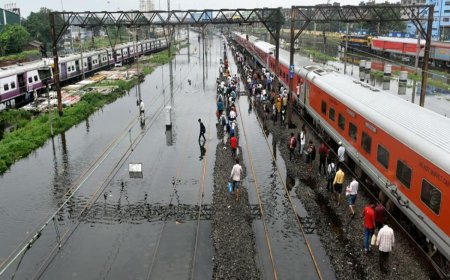
Flood Situation in Odisha: 13.7 Lakh People Affected
Flood Situation in Odisha: 13.7 Lakh People Affected
 Madhavisanvi
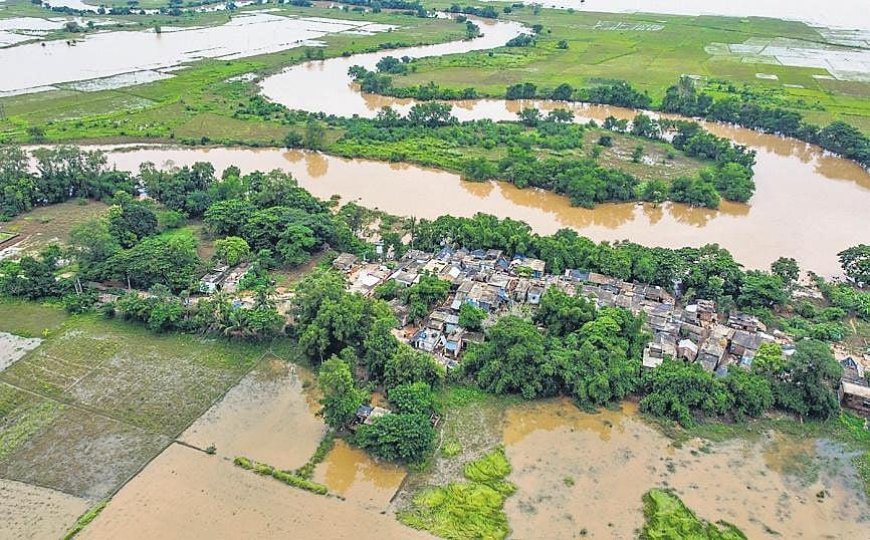
Flood Situation in Odisha: 13.7 Lakh People Affected
Odisha continues to face a serious flood situation as heavy monsoon rainfall, rising river levels and waterlogging affect large parts of the state. According to the latest reports, around 13.7 lakh people have been affected, putting considerable pressure on local administrations, disaster-response teams and relief agencies.
Heavy rainfall increases flood pressure
The continuing monsoon has brought substantial rainfall to several districts. When large volumes of rain fall over a short period, rivers, streams and drainage channels can rise rapidly. Low-lying villages and areas located close to riverbanks are particularly vulnerable.
The situation can become more complicated when rainfall occurs simultaneously in the upper catchment areas of major rivers. Water released from reservoirs and barrages can also contribute to rising downstream water levels, depending on the circumstances.
Rivers and low-lying areas under watch
Authorities are closely monitoring major rivers and their tributaries. The Mahanadi river system is particularly important because it passes through or influences several densely populated parts of Odisha.
Officials are watching river gauges and vulnerable embankments for signs of increasing water pressure. Residents living near rivers and other flood-prone locations have been advised to remain alert and follow instructions issued by local authorities.
Rescue and evacuation operations
As floodwaters enter residential areas, government agencies and emergency-response teams are working to move people from vulnerable locations to safer areas.
Rescue operations can involve:
-
Boats and other watercraft to reach stranded residents
-
Evacuation of people from low-lying villages
-
Temporary shelter arrangements
-
Distribution of drinking water and food
-
Medical assistance and essential medicines
-
Restoration of roads and other critical infrastructure
Particular attention is being given to children, elderly people, pregnant women and people with disabilities, who may require additional assistance during evacuation.
Relief camps become important
For families forced to leave their homes, temporary relief centres provide essential shelter. Authorities typically arrange food, drinking water, sanitation facilities and basic medical services at these locations.
Keeping relief camps supplied can be challenging when roads are submerged or transportation is disrupted. Local officials therefore have to continuously assess which areas require urgent supplies.
Roads and communication affected
Flooding can disrupt normal life by submerging roads, damaging bridges and cutting off villages from nearby towns. In some locations, waterlogging can also affect electricity and telecommunications.
When roads become inaccessible, emergency teams may have to use boats to deliver essential supplies or rescue stranded residents. Authorities also need to inspect damaged infrastructure before allowing normal traffic to resume.
Impact on agriculture
The flood situation is also a major concern for Odisha's farming communities. Standing crops can be damaged when agricultural fields remain underwater for extended periods.
Floodwater can affect paddy fields, vegetables and other crops while also causing soil erosion. Livestock and poultry can be at risk when farmers are unable to move animals to higher ground.
🦠 Health and sanitation concerns
Flooding creates additional public-health challenges. Contaminated water can increase the risk of waterborne diseases, while stagnant water can become a breeding ground for mosquitoes.
Health teams therefore need to monitor affected communities for illnesses and ensure that people have access to safe drinking water, sanitation and medical care.
⚠️ Flash-flood and landslide risks
Heavy rainfall does not only create river flooding. Sudden downpours can produce flash floods, particularly in areas with poor drainage or steep terrain.
Hilly and forested areas can also face landslide risks after prolonged rainfall. People travelling through vulnerable areas are advised to pay attention to local weather and road-condition warnings.
Administration remains on alert
District administrations are coordinating with the Odisha State Disaster Management Authority (OSDMA), emergency services, police, fire personnel and other agencies to respond to the situation.
The priority is to protect lives, evacuate people from dangerous locations, maintain essential supplies and restore connectivity wherever possible.
Authorities also generally advise residents not to enter swollen rivers, streams or flooded roads, even if the water appears shallow. Fast-moving floodwater can be much more dangerous than it looks.
What residents should do
People living in flood-prone areas should:
-
Keep important documents and medicines in waterproof bags.
-
Charge mobile phones and power banks.
-
Store drinking water and essential food.
-
Follow evacuation instructions from local authorities.
-
Avoid walking or driving through flowing floodwater.
-
Keep children away from flooded rivers, ponds and drainage channels.
-
Rely on official weather and disaster-management updates rather than rumours.