Earth: Importance for Life –
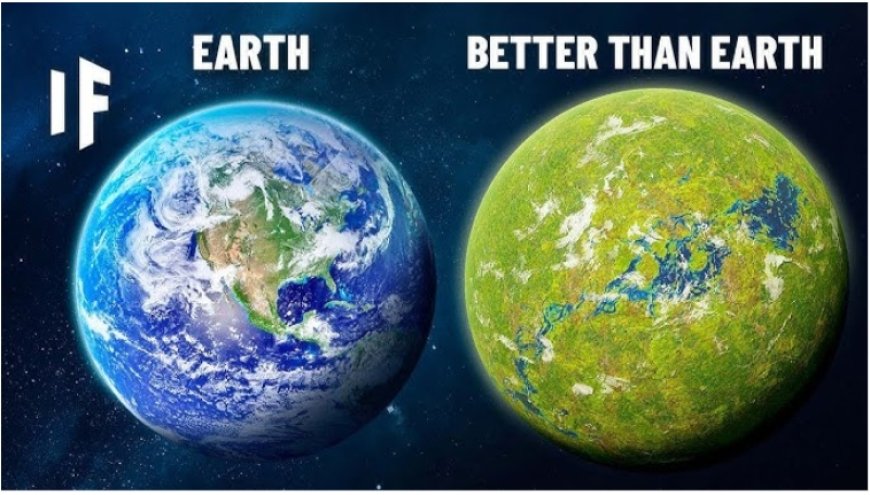
The Earth is the only known planet in the universe that supports life. It is our home, providing everything necessary for survival, including air, water, food, and a stable environment.
 Avya7800
1. Unique Position in the Solar System
One of the most important reasons Earth supports life is its perfect position in the solar system. Earth lies in what scientists call the “habitable zone” or “Goldilocks zone,” where the temperature is neither too hot nor too cold. This allows water to exist in liquid form, which is essential for life.
If Earth were closer to the Sun, like Venus, it would be too hot, and water would evaporate. If it were farther away, like Mars, water would freeze. Therefore, Earth’s position ensures the right temperature conditions for life to thrive.
2. Presence of Water
Water is the most critical requirement for life, and Earth is often called the “Blue Planet” because about 71% of its surface is covered with water. Water is essential for various biological processes, including digestion, circulation, temperature regulation, and reproduction.
Earth has water in all three states—solid (ice), liquid (rivers, lakes, oceans), and gas (water vapor). This continuous movement of water through the water cycle ensures its availability for all living beings.
Water bodies also support aquatic life and help regulate the planet’s climate. Without water, life as we know it would not exist.
3. Atmosphere and Air
Earth is surrounded by a layer of gases called the atmosphere. This atmosphere is crucial for sustaining life. It contains essential gases such as oxygen, nitrogen, and carbon dioxide.
Oxygen is needed for breathing by humans and animals.
Carbon dioxide is used by plants during photosynthesis to produce food and oxygen.
Nitrogen helps in plant growth and is an important part of the nutrient cycle.
The atmosphere also protects life on Earth by blocking harmful radiation from the Sun and maintaining a stable temperature. The ozone layer, in particular, prevents dangerous ultraviolet (UV) rays from reaching the surface.
4. Suitable Temperature
Earth has a moderate and stable temperature that supports life. This is due to its distance from the Sun and the presence of the atmosphere, which acts like a blanket to trap heat.
The greenhouse effect helps maintain this balance by keeping the planet warm enough to support life. Without this natural process, Earth would be too cold for most organisms to survive.
5. Soil and Land Resources
Earth provides fertile soil that supports plant life. Soil contains essential nutrients, minerals, and microorganisms that help plants grow. Plants, in turn, provide food and oxygen, forming the base of the food chain.
Land also provides space for habitats, agriculture, and human settlements. Different types of landforms such as mountains, plains, forests, and deserts create diverse environments that support a wide variety of life forms.
6. Biodiversity
Earth is rich in biodiversity, meaning it has a wide variety of plants, animals, and microorganisms. This diversity is important for maintaining ecological balance.
Each species plays a specific role in the ecosystem. For example:
Plants produce oxygen and food.
Animals help in pollination and seed dispersal.
Microorganisms decompose waste and recycle nutrients.
Biodiversity ensures the stability and resilience of ecosystems, allowing them to adapt to changes and disturbances.
7. Energy from the Sun
The Sun is the primary source of energy for life on Earth. It provides light and heat, which are essential for survival.
Plants use sunlight to perform photosynthesis, producing food and oxygen. This process forms the foundation of all food chains. Animals and humans depend on plants directly or indirectly for energy.
Solar energy also drives weather patterns, ocean currents, and the water cycle, all of which are vital for life.
8. Protection from Space Hazards
Earth has several natural protective features that make life possible:
Magnetic Field: Earth’s magnetic field protects it from harmful solar winds and cosmic radiation.
Atmosphere: Burns up meteoroids before they reach the surface.
Ozone Layer: Shields life from harmful ultraviolet radiation.
Without these protective systems, life on Earth would be exposed to dangerous conditions.
9. Natural Cycles
Earth operates through several natural cycles that maintain balance in the environment:
a. Water Cycle
Ensures the continuous movement and availability of water.
b. Carbon Cycle
Regulates carbon dioxide levels and supports plant growth.
c. Nitrogen Cycle
Provides essential nutrients for plants and animals.
These cycles recycle resources and maintain ecological stability, making life sustainable.
10. Support for Human Civilization
Earth provides all the resources needed for human development:
Food from agriculture and animals
Water for drinking and irrigation
Minerals and metals for industries
Fossil fuels for energy
Human civilization depends entirely on Earth’s resources. Cities, industries, transportation, and technology all rely on what Earth provides.
11. Climate and Weather Systems
Earth has a dynamic climate system that supports life. Weather patterns distribute heat and moisture across the planet, ensuring that different regions receive the necessary conditions for life.
For example:
Rainfall supports agriculture
Winds regulate temperature
Oceans store and distribute heat
Although extreme weather events can be harmful, the overall climate system is essential for maintaining life.
12. Interdependence of Life
All living organisms on Earth are interconnected. This interdependence ensures survival and balance.
For example:
Humans depend on plants for oxygen and food.
Animals depend on plants and other animals.
Plants depend on animals for pollination and nutrient recycling.
This complex web of life highlights the importance of Earth as a unified system supporting all organisms.
13. Challenges to Earth’s Life-Support System
Despite its importance, Earth is facing several challenges that threaten life:
1. Pollution
Air, water, and soil pollution harm living organisms and disrupt ecosystems.
2. Climate Change
Global warming leads to rising temperatures, melting glaciers, and extreme weather.
3. Deforestation
Loss of forests reduces biodiversity and affects the oxygen supply.
4. Resource Depletion
Overuse of natural resources leads to scarcity.
5. Loss of Biodiversity
Extinction of species disrupts ecological balance.
14. Conservation and Responsibility
To protect Earth and ensure the survival of life, it is essential to adopt sustainable practices:
Reduce pollution
Conserve water and energy
Protect forests and wildlife
Use renewable energy sources
Promote environmental awareness
Every individual has a role to play in preserving the Earth for future generations.
Conclusion
Earth is a unique and precious planet that provides all the necessary conditions for life. Its perfect position, abundant water, protective atmosphere, rich biodiversity, and natural cycles make it the only known home for living organisms. The importance of Earth for life lies in its ability to support, sustain, and nurture all forms of life.