The Crowd of Old Kolkata
Kolkata, formerly known as Calcutta, has always been a city of life, movement, and human energy. Long before modern urbanization reshaped Indian cities, Kolkata
 Avya7800
Historical Background of Crowded Kolkata
The roots of Kolkata’s dense population can be traced back to the time of the British East India Company. In the late 17th century, the British established Kolkata as a trading hub due to its strategic location along the Hooghly River. Over time, the city grew rapidly as merchants, laborers, artisans, and officials migrated here in search of opportunities.
By the 19th century, Kolkata had become the capital of British India, attracting people from different parts of the country. This migration led to a rapid increase in population, creating crowded neighborhoods and bustling streets.
Streets Full of Life
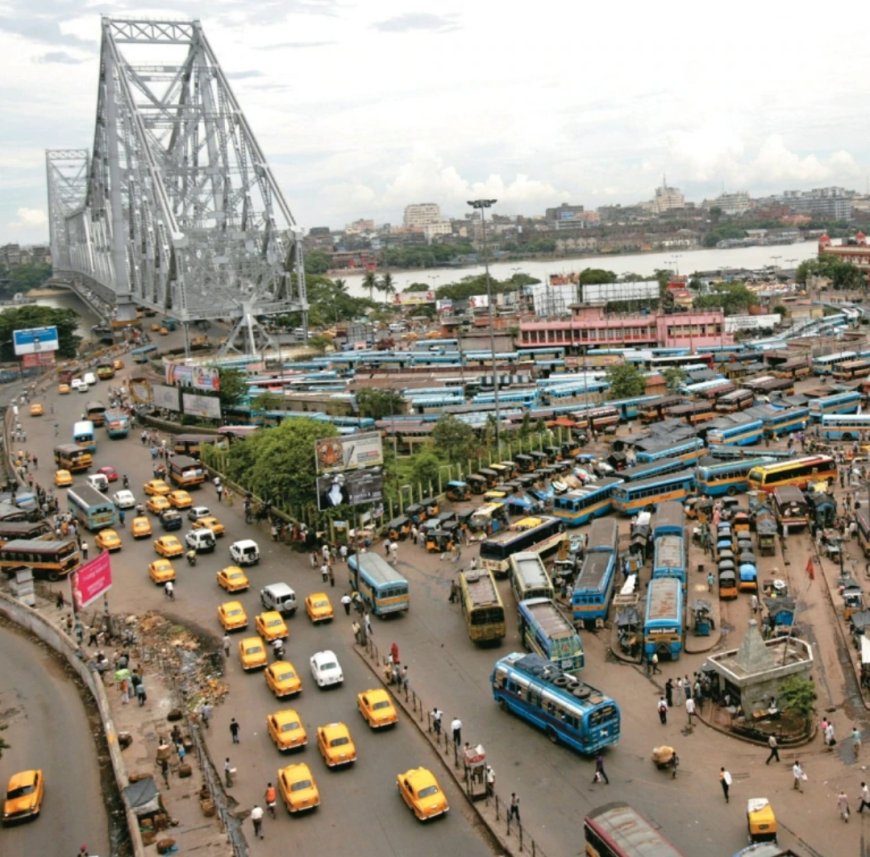
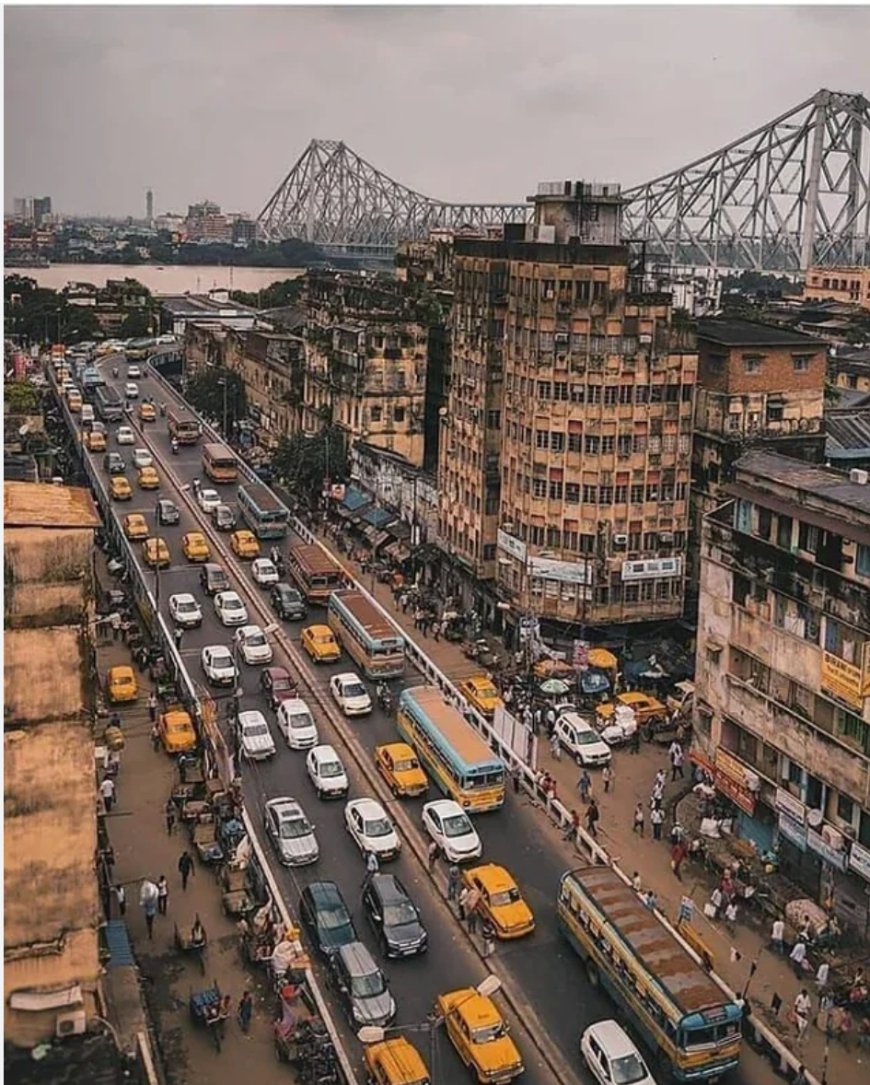
The streets of old Kolkata were always alive with movement. From early morning till late night, people filled every corner of the city. Hand-pulled rickshaws, horse carriages, trams, and pedestrians all shared limited road space.
Areas like College Street were famous for their intellectual crowd—students, teachers, and book lovers. Meanwhile, markets like Burrabazar were packed with traders and customers, creating a different kind of hustle and bustle.
The crowd was not chaotic in a negative sense; rather, it had its own rhythm. People knew how to move, negotiate space, and coexist in close proximity.
Markets and Commercial Crowds
Old Kolkata’s markets were the heart of its crowded life. Burrabazar, one of the largest wholesale markets in India, was always filled with merchants, porters, and buyers. Goods from across India and abroad were traded here.
Street vendors lined the roads, selling everything from vegetables and fruits to clothes and household items. The crowd in these markets was diverse—rich businessmen, middle-class families, and daily wage workers all interacted in the same space.
This diversity made Kolkata’s crowd unique. It was not divided strictly by class but united by daily economic activity.
Cultural Gatherings and Public Spaces
Kolkata has always been a cultural capital, and its crowd reflects that identity. Public gatherings were common in old Kolkata, whether for festivals, political meetings, or social events.
During Durga Puja, the city would transform into a sea of people. Streets would overflow with devotees visiting beautifully decorated pandals. The crowd during this festival was not just large but emotionally connected, celebrating together as a community.
The iconic Howrah Bridge also symbolized the city’s crowded nature. Thousands of people crossed it daily, making it one of the busiest bridges in the world.
The Role of Transportation
Transportation played a crucial role in shaping the crowd of old Kolkata. The introduction of trams made Kolkata one of the first cities in Asia to have such a system. The Kolkata Tramways carried large numbers of passengers and became a defining feature of the city.
Local trains, buses, and ferries also contributed to the movement of people. Railway stations like Howrah and Sealdah were always crowded with travelers.
Despite limited infrastructure, the city managed to function efficiently, thanks to the adaptability of its people.
Refugee Influx and Population Growth
One of the most significant events that increased Kolkata’s crowd was the Partition of India. After independence, a large number of refugees from East Pakistan (now Bangladesh) migrated to Kolkata.
This sudden influx led to overcrowding in many parts of the city. Slums and informal settlements grew rapidly, and the pressure on resources increased. However, these migrants also contributed to the city’s cultural and economic life.
Social Diversity in the Crowd
The crowd of old Kolkata was a mixture of different communities, languages, and cultures. Bengalis, Marwaris, Chinese, Anglo-Indians, and others lived and worked together.
Each community added its own flavor to the city:
Bengali intellectual culture
Marwari business networks
Chinese cuisine and craftsmanship
This diversity made the crowd not just large but rich in cultural experiences.
Daily Life in Crowded Neighborhoods
Old Kolkata’s residential areas were often densely populated. Narrow lanes, closely built houses, and shared spaces were common. Families lived in close proximity, creating a sense of community.
Children played in crowded streets, neighbors interacted daily, and festivals were celebrated collectively. The crowd in these neighborhoods was not impersonal; it was deeply connected.
Challenges of Overcrowding
While the crowd brought energy and vibrancy, it also created challenges:
Traffic congestion
Pollution
Lack of sanitation
Limited housing
Managing such a large population required constant effort. Despite these issues, Kolkata maintained its charm and functionality.
The Spirit of the Crowd
What truly defined the crowd of old Kolkata was its spirit. People were resilient, adaptable, and community-oriented. The crowd was not just about numbers but about human relationships.
In times of crisis, such as floods or economic hardship, people came together to support each other. This collective spirit is one of the most remarkable aspects of Kolkata’s crowded life.
Transformation Over Time
With modernization, Kolkata has changed significantly. New infrastructure, metro systems, and urban planning have altered the city’s dynamics. However, the essence of its crowd remains.
Even today, areas like markets, railway stations, and festival grounds reflect the same energy that defined old Kolkata.
Conclusion
The crowd of old Kolkata was more than just a large population—it was a symbol of life, diversity, and resilience. From the colonial era to post-independence challenges, the city’s crowd has played a central role in shaping its identity.
Whether in bustling markets like Burrabazar, cultural celebrations like Durga Puja, or iconic landmarks like Howrah Bridge, the crowd tells the story of a city that never stops moving.