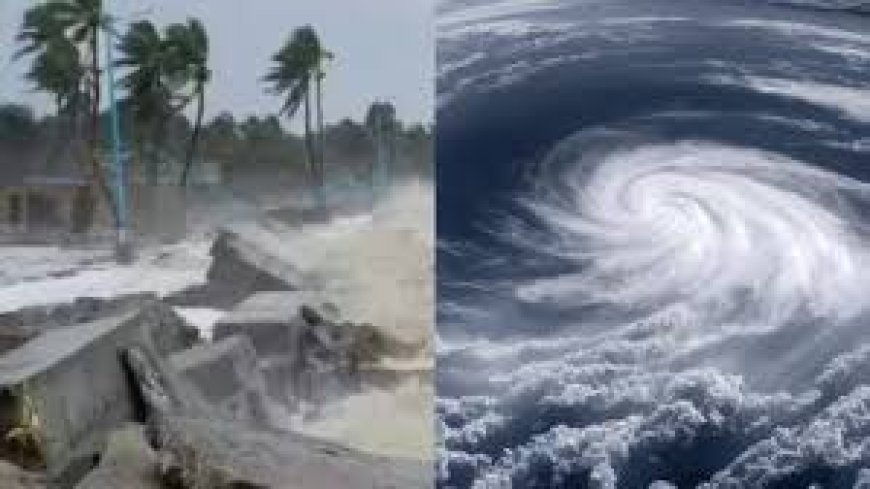
In March 2026, parts of Odisha experienced an intense spell of extreme weather, including a rare tornado, powerful thunderstorms, and heavy rainfall. The sudden event caused significant destruction, particularly in rural regions, and raised concerns about changing weather patterns in eastern Indi
Tornado strikes Mayurbhanj district
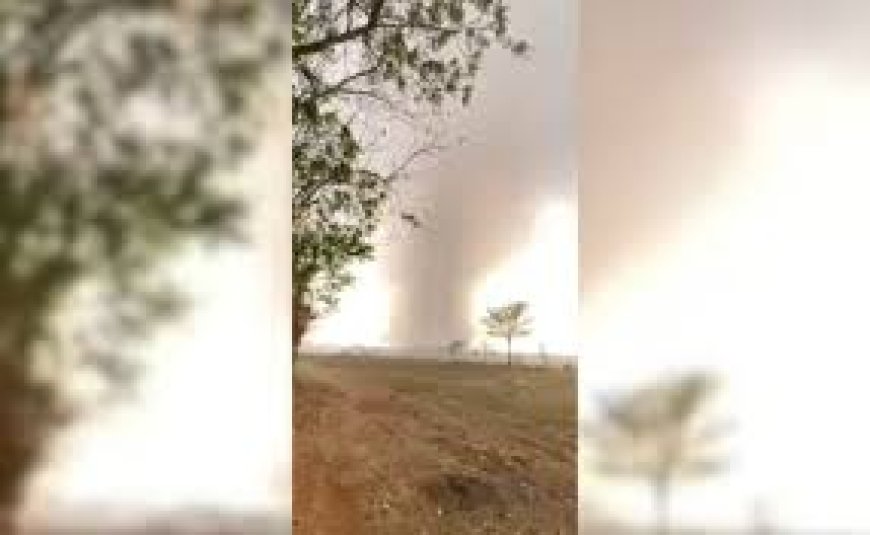
The most severe impact was reported in Mayurbhanj district, where a powerful storm system developed into a tornado during the afternoon hours. The phenomenon, often linked to pre-monsoon “nor’wester” conditions, intensified rapidly, giving residents very little time to react.
Eyewitnesses described a dark, rotating funnel cloud accompanied by deafening winds that swept across villages. Within minutes, houses were damaged, trees were uprooted, and debris filled the air. The force of the winds was strong enough to lift rooftops and scatter belongings over large distances.
Tragically, at least two people lost their lives, and around 25–30 others sustained injuries. Many of the injured required immediate medical attention, with some reported to be in critical condition.
Widespread destruction of homes and property
The tornado left behind a path of destruction affecting multiple villages. Hundreds of houses, especially those made of mud, bamboo, and thatch, were either partially or completely destroyed. Families lost not only their homes but also essential possessions such as food grains, clothing, and household items.
In addition to residential damage, public infrastructure suffered heavily. Electric poles were knocked down, roads were blocked by fallen trees, and local transport was disrupted. In several areas, communication networks also failed temporarily, making it difficult for authorities to assess the situation immediately after the storm.
Agricultural losses have also been reported. Standing crops were flattened, which is a major concern for farmers who were nearing harvest season. This damage could have long-term economic consequences for rural households.
Heavy rainfall worsens the crisis
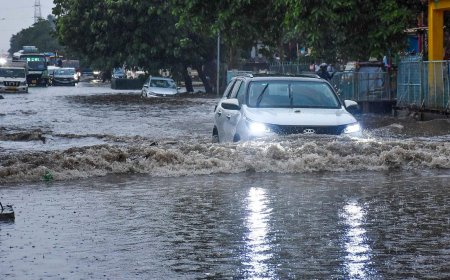
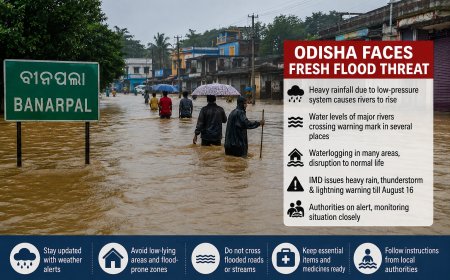
Alongside the tornado, intense rainfall lashed several districts of Odisha. The heavy showers, combined with strong winds and lightning, worsened the situation. Low-lying areas experienced waterlogging, and in some places, drainage systems were unable to cope with the sudden volume of rainwater.
The India Meteorological Department had earlier forecast thunderstorms and gusty winds in eastern India, but the intensity of the storm exceeded expectations in some regions.
Meteorologists explain that such weather events occur due to a combination of high surface temperatures and moisture from the Bay of Bengal. These factors create unstable atmospheric conditions, which can trigger severe thunderstorms and, in rare cases, tornadoes.
Government assessments suggest:
-
Over 500 houses damaged
-
Around 3,200 people affected
-
Multiple villages across five gram panchayats impacted
-
Electricity supply disrupted due to fallen poles
-
Roads blocked by uprooted trees
Emergency response and relief measures
The state government and local administration responded quickly after the disaster. Rescue teams, including fire services and emergency personnel, were deployed to the worst-affected areas.
Relief operations included:
-
Evacuation of vulnerable residents to safer locations
-
Distribution of food, clean drinking water, and basic supplies
-
Provision of temporary shelters using tarpaulins
-
Medical assistance for the injured
Relief camps were set up to accommodate displaced families, and officials began assessing the extent of the damage. Authorities have assured that compensation will be provided to those who have lost homes or family members.
Odisha is known for its strong disaster management systems, particularly in handling cyclones, and this experience has helped in responding effectively to this sudden crisis as well.
Rare but significant weather event
Tornadoes are uncommon in India, but they do occur occasionally in eastern regions like Odisha and neighboring states. These are usually short-lived but can be extremely destructive.
Experts believe that such events may be becoming more frequent or intense due to broader climatic changes. Rising temperatures, changing wind patterns, and increased moisture levels can all contribute to extreme weather behavior.
Recent unusual weather activities in Odisha, including sudden storms and localized high-intensity rainfall, have strengthened concerns about climate variability in the region.
Impact on rural communities
The disaster has hit rural populations the hardest. Many affected families belong to economically weaker sections and live in structures that cannot withstand strong winds.
For these communities, the storm has created multiple challenges:
-
Loss of shelter and displacement
-
Damage to crops and livestock
-
Financial hardship and uncertainty
-
Disruption of daily life and livelihoods
Children and elderly residents are particularly vulnerable in such situations, requiring additional support and care in relief camps.
Power and communication disruptions
Electricity supply was severely affected due to fallen power lines and damaged infrastructure. Several villages remained without power for extended periods. Communication networks were also disrupted, slowing down rescue and coordination efforts in the initial hours.
Restoration work is ongoing, with teams working to repair damaged lines and clear blocked roads.
Weather warnings and precautions
Following the incident, weather authorities have advised people in Odisha to remain cautious, as similar conditions may persist in the coming days. Residents are encouraged to:
-
Stay indoors during thunderstorms
-
Avoid open fields and tall structures
-
Keep updated with official weather alerts
-
Secure loose objects around their homes
Preparedness and awareness are crucial in minimizing damage and ensuring safety during such unpredictable events.
Conclusion
The recent tornado and heavy rainfall in Odisha highlight the growing unpredictability of weather patterns in the region. While the immediate focus remains on rescue and recovery, the incident also points to the need for improved infrastructure, better housing in vulnerable areas, and stronger early warning systems.
As communities begin to rebuild their lives, coordinated efforts from the government, local authorities, and citizens will be essential. This event serves as a reminder that even rare natural phenomena like tornadoes can have serious consequences, especially when they occur without warning.

 Preeti