President Droupadi Murmu Begins Three-Day Odisha Visit as Parliament Witnesses Continued Opposition Protests
President Droupadi Murmu Begins Three-Day Odisha Visit as Parliament Witnesses Continued Opposition Protests
 Madhavisanvi
President Droupadi Murmu Begins Three-Day Odisha Visit as Parliament Witnesses Continued Opposition Protests
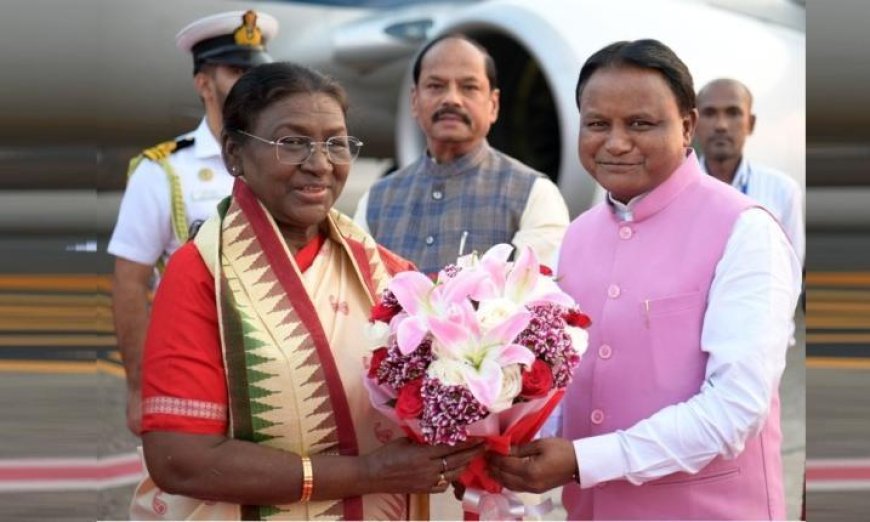
India's political landscape remains in focus as two important developments unfold simultaneously. President Droupadi Murmu has commenced a three-day official visit to her home state of Odisha, where she is scheduled to participate in educational, cultural and public programmes. At the same time, Parliament continues to witness protests and disruptions by Opposition parties over a range of national issues, reflecting the vibrancy and challenges of India's democratic process.
President Murmu's visit has generated considerable public interest, particularly in Odisha, where she began her political career before becoming the country's 15th President. The visit includes inaugurations, interactions with educational institutions and official events across multiple districts. Authorities have made elaborate security and administrative arrangements to ensure the smooth conduct of the President's engagements.
Significance of the Presidential Visit
President Droupadi Murmu's visit is viewed as more than a ceremonial tour. It reflects continued engagement between the constitutional head of the nation and citizens across different regions.
Born in Mayurbhanj district, President Murmu has maintained close ties with Odisha throughout her public life. Before assuming the Presidency, she served as an MLA, minister in the Odisha government and Governor of Jharkhand.
Her journey from a tribal village to Rashtrapati Bhavan continues to inspire millions across India.
Arrival in Odisha
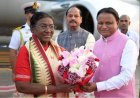
The President arrived in Bhubaneswar and began her official engagements as scheduled. During the visit, she is expected to travel to Cuttack and Ganjam districts while participating in several public programmes. One of the notable engagements includes inaugurating Jagadguru Kripalu University near Cuttack. The itinerary also includes a train journey between Bhubaneswar and Berhampur, an unusual feature of the official programme.
Massive Security Arrangements
Given the President's visit, Odisha Police and district administrations have implemented extensive security measures.
More than 40 police platoons have been deployed in Bhubaneswar and Cuttack. Intelligence agencies, traffic police and other security personnel are coordinating to secure routes and venues, while traffic advisories have been issued to minimise inconvenience to the public.
Educational Focus
Education forms an important part of the President's itinerary.
The inauguration of educational institutions highlights the government's emphasis on higher education, skill development and research infrastructure. Such institutions are expected to contribute to regional development by expanding access to quality education and employment opportunities.
Cultural Importance
Odisha is known for its rich cultural heritage, classical arts and spiritual traditions.
The President's participation in cultural programmes showcases India's diversity while encouraging preservation of local traditions and heritage.
Development Initiatives
During the visit, discussions are also expected to focus on infrastructure, education, rural development and public welfare.
Odisha has witnessed significant investments in roads, railways, ports, education and industrial development in recent years. The President's engagements are expected to highlight several of these initiatives.
Inspiration for Tribal Communities
President Murmu remains a powerful symbol of social inclusion.
As India's first tribal woman President, her public appearances inspire students, women and members of tribal communities across the country.
Her life demonstrates how education, determination and public service can overcome social and economic challenges.
Public Participation
Large numbers of citizens are expected to participate in various events organised during the President's visit.
Schools, universities, cultural organisations and local administrations have made elaborate arrangements for welcoming the President.
Parliament Session Continues
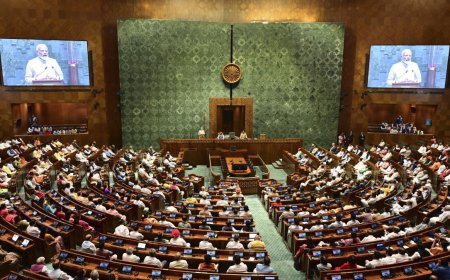
While Odisha hosts the President's official programmes, Parliament continues its session in New Delhi.
Both the Lok Sabha and Rajya Sabha remain central platforms for legislative discussions, policy debates and democratic accountability.
Opposition Protests
Opposition parties have continued protests over issues they believe require greater discussion and government responses.
These protests have included demonstrations inside and outside Parliament, slogan shouting and demands for debates on key national matters.
Such protests are a regular feature of parliamentary democracy, where Opposition parties seek to raise issues affecting citizens.
Government's Position
The government has maintained that it is prepared to discuss important issues through established parliamentary procedures while continuing legislative business.
Ministers have appealed for cooperation so that Parliament can function effectively and complete scheduled work.
Impact on Parliamentary Proceedings
Repeated disruptions reduce the time available for legislative discussions.
Important Bills, Question Hour and debates may be affected whenever proceedings are repeatedly adjourned.
Political analysts note that while protests are part of democratic expression, uninterrupted parliamentary functioning remains essential for effective governance.
Role of Parliament
Parliament remains India's highest legislative institution.
Its major responsibilities include:
-
Making laws.
-
Debating public policy.
-
Examining government decisions.
-
Approving the national budget.
-
Representing citizens' concerns.
Healthy debate and accountability remain essential components of parliamentary democracy.
Democratic Balance
Political differences are natural in a democratic system.
The government seeks to implement its legislative agenda, while the Opposition attempts to scrutinise decisions, question policies and represent alternative viewpoints.
Both roles contribute to strengthening democratic institutions.
Odisha's Growing Importance
Odisha has emerged as one of India's fastest-developing states in sectors such as:
-
Steel and mining.
-
Ports and logistics.
-
Renewable energy.
-
Tourism.
-
Agriculture.
-
Higher education.
The President's visit brings additional national attention to the state's development efforts.
Economic Perspective
Improved educational infrastructure and public investment are expected to strengthen Odisha's long-term economic growth.
New universities and institutions can generate employment, encourage research and attract investment.
Public Expectations
Citizens hope that constitutional visits encourage greater development and improved public services.
Many residents also expect continued investment in healthcare, education, roads, digital infrastructure and employment opportunities.
National Importance
The simultaneous developments in Odisha and Parliament demonstrate the functioning of India's democratic institutions.
On one hand, the President performs constitutional and ceremonial responsibilities by engaging with educational and public institutions.
On the other, Parliament continues to serve as the country's primary forum for political debate, legislation and accountability.