Odisha Flood Situation Remains Serious: Heavy Rain, Swollen Rivers and Large-Scale Evacuations
Odisha Flood Situation Remains Serious: Heavy Rain, Swollen Rivers and Large-Scale Evacuations
 Madhavisanvi
Odisha Flood Situation Remains Serious: Heavy Rain, Swollen Rivers and Large-Scale Evacuations
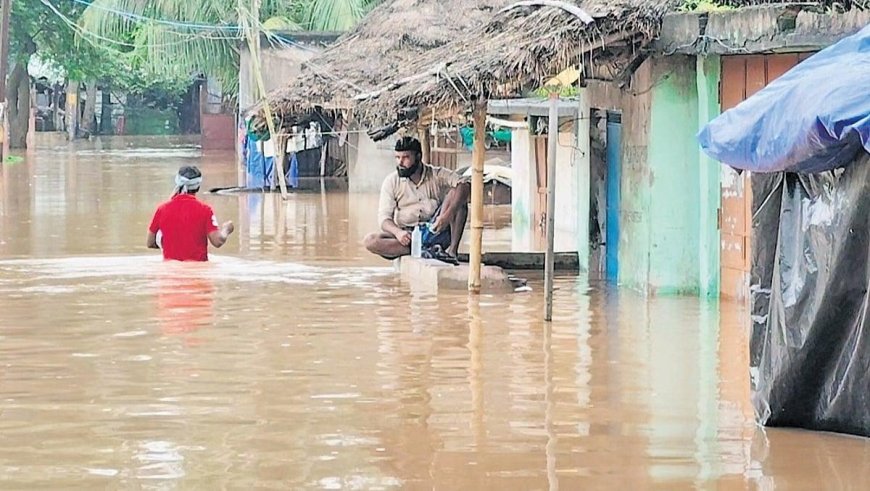
Odisha is facing a serious flood situation as persistent monsoon rainfall and rising river levels continue to affect several parts of the state, particularly northern Odisha. Villages, roads, agricultural fields and low-lying areas have been inundated, forcing authorities to intensify rescue and relief operations. The situation has become particularly challenging in districts such as Balasore, Bhadrak, Jajpur, Mayurbhanj and Keonjhar, where several major rivers and their tributaries have swollen following heavy rainfall.
According to recent reports, more than 2.37 lakh people had been evacuated to safer locations, with nearly 300 relief camps established in vulnerable areas. More recent reporting on August 18 said the overall number of people affected across several districts had risen to more than 7.85 lakh, underlining how quickly the situation has evolved.
Flood Situation Worsens Across Northern Odisha
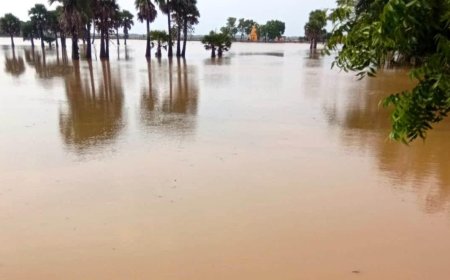
Northern Odisha has been among the worst-hit regions during the latest spell of heavy rainfall. Floodwaters have spread across hundreds of villages, affecting homes, roads, agricultural land and local infrastructure.
A recent assessment reported flooding in 947 villages across 49 blocks, with approximately 5.15 lakh people affected in the worst-hit areas at that stage. The Baitarani, Brahmani, Salandi, Jalaka and Budhabalanga rivers and their tributaries have experienced significant rises, increasing the risk to communities living close to riverbanks and in low-lying areas.
The situation is particularly difficult because flooding does not simply affect individual villages. Once river water enters low-lying settlements, roads can become unusable, bridges may become inaccessible and residents can become isolated from markets, hospitals and other essential services.
Agricultural areas are also vulnerable. Paddy fields and other crops that remain submerged for extended periods can suffer substantial damage. For farmers, the consequences may continue even after floodwaters recede because standing crops, soil conditions, stored seeds, livestock and farm equipment can all be affected.
More Than 2.37 Lakh People Evacuated
One of the most significant aspects of the current emergency has been the large-scale evacuation operation.
More than 2.37 lakh people were evacuated and moved to safer locations, according to officials. Nearly 293 relief camps had been established, with shelters operating in locations including schools and areas along river embankments.
Evacuation is particularly important when river levels are rising because waiting until water enters houses can make rescue operations considerably more difficult. Authorities therefore attempt to move residents from vulnerable villages before conditions become life-threatening.
For many families, evacuation means leaving behind homes, livestock, agricultural equipment and personal belongings. This makes the process emotionally and financially difficult, even when relocation is necessary for safety.
Relief camps consequently have an important role beyond simply providing shelter. They need to provide drinking water, food, sanitation, medical assistance and basic security for displaced residents.
Nearly 300 Relief Camps Established
The establishment of hundreds of relief camps demonstrates the scale of the emergency.
Schools, government buildings and other suitable facilities have been used to accommodate people evacuated from flood-prone areas. Relief camps provide temporary shelter while authorities monitor river levels and determine when it is safe for residents to return.
The government has also increased preparedness measures as rainfall continues. Employee leave was reportedly cancelled so that government machinery could remain fully operational during the emergency. Educational institutions in affected areas were also closed as a precaution. For displaced families, conditions inside relief camps can be challenging. Maintaining adequate sanitation is especially important because stagnant floodwater and overcrowding can increase the risk of waterborne and infectious diseases.
Authorities therefore need to maintain regular supplies of clean drinking water, food, medicines, blankets and other essential materials.
Major Rivers Under Pressure
Several rivers in northern Odisha have contributed to the worsening situation.
The Baitarani River has been a major concern, particularly in areas around Bhadrak and Jajpur. The Brahmani, Salandi, Jalaka and Budhabalanga rivers have also swollen following heavy rainfall.
When several rivers rise simultaneously, the pressure on surrounding drainage systems increases. Floodwaters can remain trapped in low-lying areas even after rainfall decreases because rivers and tributaries may continue carrying large volumes of water downstream.
This creates an important challenge for disaster-management authorities: the end of rainfall does not necessarily mean the immediate end of flooding.
River levels, rainfall forecasts and downstream conditions must therefore be monitored continuously.
Depression and Continued Rainfall Add to the Risk
The current flood emergency has been linked to a period of intense monsoon activity. A weather system that formed over the Bay of Bengal intensified into a depression and contributed to widespread rainfall over Odisha and neighbouring regions.
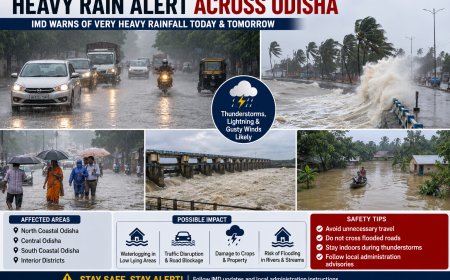
The India Meteorological Department has continued to forecast significant rainfall in Odisha and several other eastern and central Indian states. On August 18, heavy to very heavy rainfall was forecast across areas including Odisha, Jharkhand, Bihar, Chhattisgarh, eastern Madhya Pradesh and parts of Uttar Pradesh.
This continuing rainfall is a major concern because additional precipitation can increase river levels and worsen flooding in already saturated areas.
Even moderate additional rain can become problematic when the ground is already waterlogged and rivers are running high.
Impact on Roads and Transportation
Flooding has caused disruption to transportation in several affected areas.
When roads are submerged, residents can lose access to nearby towns and markets. Emergency vehicles may also face difficulties reaching isolated communities.
Road damage can further complicate rescue operations. In some places, water flowing across roads can weaken road surfaces, damage culverts and undermine bridges.
Railway infrastructure is also being closely monitored. Railway Minister Ashwini Vaishnaw has directed officials to maintain close watch on vulnerable railway sections in Odisha amid the heavy rainfall. The objective is to ensure passenger safety and minimise disruptions to train services.
Maintaining transportation links is crucial during a flood because relief materials, medical teams and emergency personnel need to reach affected communities quickly.
Schools and Educational Institutions Affected
Flooding and severe weather have also disrupted education.
Educational institutions in affected areas have been closed as a precautionary measure because travelling through flooded roads can put students and staff at risk.
The disruption is particularly significant for students in rural areas, where schools may be located far from residential communities and access roads can become flooded.
Some educational buildings may also be temporarily converted into relief centres, providing shelter to displaced families.
While school closures are necessary for safety, prolonged flooding can affect academic schedules, examinations and other educational activities.
Agricultural Losses Could Become a Major Concern
Agriculture is one of the sectors most vulnerable to prolonged flooding.
Odisha has a large rural population dependent on farming, and standing water can cause serious damage to paddy and other crops. Farmers may lose both current crops and investments made during the planting season.
Floodwater can also damage agricultural machinery, livestock shelters, stored grain, seeds and fertiliser.
The economic impact may continue after the water recedes. Farmers may need assistance to restore fields, obtain seeds and restart cultivation.
Therefore, post-flood assessment will be just as important as the current rescue operation.
Chief Minister Reviews the Situation
Odisha Chief Minister Mohan Charan Majhi has been reviewing the situation in flood-affected areas.
On August 17, the Chief Minister travelled by boat to reach inundated villages in Jajpur district and also visited Bhadrak to assess the situation and relief operations. Officials said the flooding had affected more than 7.85 lakh people across several districts in the latest assessment.
Visits by senior officials are important because they provide an opportunity to assess conditions on the ground and identify gaps in rescue and relief arrangements.
They can also help accelerate decisions concerning food distribution, medical support, evacuation, infrastructure repair and assistance for affected families.
Rescue and Disaster-Management Operations
Odisha has considerable experience in dealing with cyclones, floods and other natural disasters. Its disaster-management system involves coordination among district administrations, police, fire services, emergency teams and other government agencies.
During the present emergency, the primary priorities are:
-
Evacuating people from vulnerable areas.
-
Providing safe shelter.
-
Delivering food and drinking water.
-
Monitoring river levels.
-
Providing medical assistance.
-
Keeping emergency transportation routes operational.
-
Protecting vulnerable populations, including children and elderly people.
-
Assessing damage to roads, bridges and other infrastructure.
The rescue phase is especially important while water levels are rising. Once the situation stabilises, authorities can move toward recovery and rehabilitation.
Health Risks During Flooding
Flooding creates several health risks.
Contaminated water can increase the possibility of diarrhoeal and other waterborne diseases. Stagnant water can also create favourable conditions for mosquitoes, increasing the risk of mosquito-borne illnesses.
Crowded relief camps require particularly careful sanitation management.
Residents are generally advised to avoid walking through unknown floodwater whenever possible. Floodwater may conceal open drains, damaged roads, electrical hazards, sharp objects or contaminated material.
Safe drinking water is another critical requirement. People in affected areas should rely on properly treated or officially supplied drinking water rather than potentially contaminated sources.
Vulnerable Groups Need Special Attention
Children, elderly people, pregnant women and people with disabilities can face additional difficulties during evacuation.
For children, displacement can be frightening and disruptive. Families may also struggle to maintain access to medicines, personal documents and other essential items after leaving their homes.
Relief authorities therefore need to ensure that camps are accessible, safe and adequately supplied.
Livestock also require attention in rural areas. For many farming families, cattle, goats, poultry and other animals represent a significant portion of their livelihood. Evacuating people without considering livestock can create serious economic hardship.
The Situation Remains Dynamic
One of the most important points about the current Odisha flood situation is that the numbers and conditions are changing rapidly.
Earlier assessments reported around 5.15 lakh people affected in 947 villages, while a later report on August 18 put the number of affected people across six districts at more than 7.85 lakh.
This difference illustrates how quickly a flood emergency can expand when heavy rainfall continues and multiple rivers rise simultaneously.
Similarly, the number of evacuated people can change as authorities move additional residents to safety.
Therefore, official district administrations and state disaster-management authorities remain the most reliable sources for the latest evacuation figures, road closures and local safety instructions.
What Happens Next?
The next several days will be crucial for Odisha.
If rainfall decreases and river levels begin to fall, authorities can gradually shift their focus from emergency evacuation to recovery. However, if additional heavy rainfall occurs, already flooded areas could experience further deterioration.
The IMD's continued rainfall forecast means residents in vulnerable areas need to remain alert.
Authorities are likely to continue monitoring rivers, embankments, roads and bridges while keeping relief camps operational.
After floodwaters recede, a detailed assessment will be necessary to determine damage to houses, crops, roads, bridges, electricity networks, schools and other public infrastructure.