Schools Closed in Some Odisha Districts Amid Heavy Rain and Flooding
Schools Closed in Some Odisha Districts Amid Heavy Rain and Flooding
 Madhavisanvi
Schools Closed in Some Odisha Districts Amid Heavy Rain and Flooding
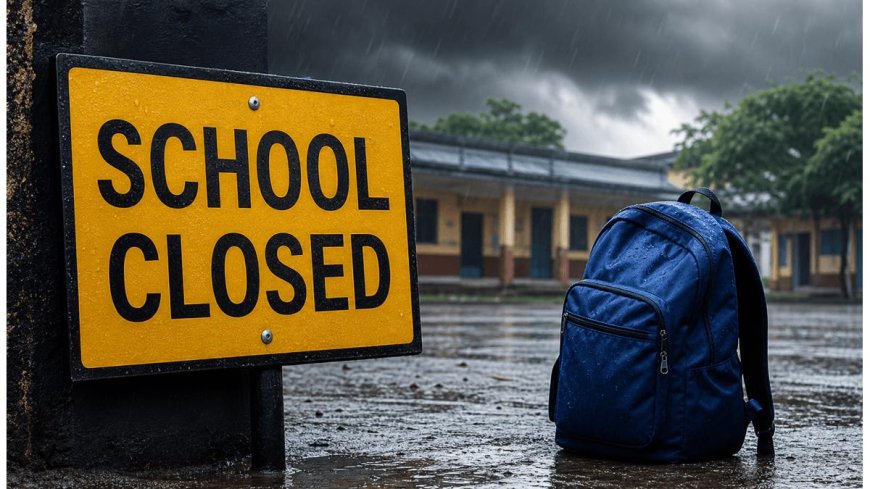
Heavy rainfall and flooding have disrupted normal life across several parts of Odisha, prompting district administrations to take precautionary measures to protect students and school staff. On August 18, 2026, educational institutions in Sundargarh, Bhadrak and Jajpur were ordered closed because of intense rainfall, waterlogging and flood-related concerns. The closure applies to government and private educational institutions in these districts, according to reports published today.
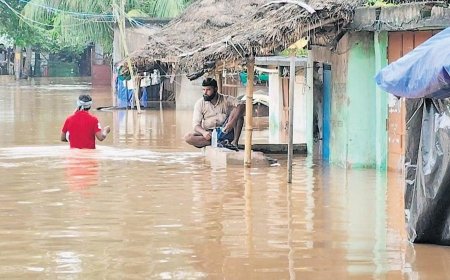
The decision comes at a time when northern Odisha is experiencing significant flood pressure. Rivers have risen following repeated spells of heavy rain, while low-lying villages and roads have been inundated. Authorities are closely monitoring the situation because further rainfall could worsen waterlogging and make transportation difficult.
Why Were Schools Closed?
The primary reason for closing schools is student safety.
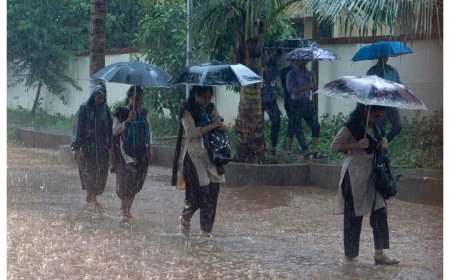
During periods of intense rainfall, roads leading to schools can become waterlogged or flooded. This can make it dangerous for children to travel, particularly in rural areas where students often walk or use two-wheelers, bicycles, school buses or local transport.
Floodwater can also conceal open drains, damaged roads, electrical hazards and other dangers. For this reason, district administrations often prefer to suspend classes temporarily when severe weather coincides with flooding.
The current closures in Sundargarh, Bhadrak and Jajpur are therefore a precautionary measure designed to reduce unnecessary movement and protect students, teachers and other school employees.
Heavy Rain Continues to Affect Odisha
The school closures are taking place against the backdrop of widespread heavy rainfall across Odisha.
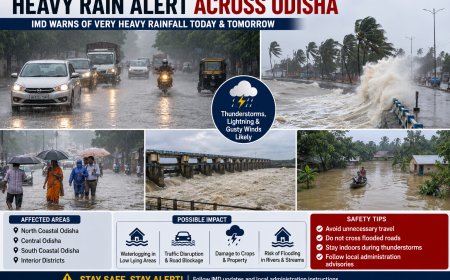
The India Meteorological Department has forecast heavy to very heavy rainfall in Odisha and several neighbouring states. On August 18, heavy rainfall was expected in Odisha along with Jharkhand, Bihar, Chhattisgarh, eastern Madhya Pradesh and parts of Uttar Pradesh. Thunderstorms, lightning and gusty winds were also forecast in several parts of the country.
Such conditions can create multiple problems for schools. Even when a school building itself is not flooded, students may be unable to reach it because roads and bridges have become inaccessible.
Consequently, school closure decisions are generally based not only on rainfall totals but also on the condition of local roads, rivers, drainage systems and surrounding communities.
Bhadrak and Jajpur Face Flood Concerns
Bhadrak and Jajpur are among the districts that have experienced significant flood-related problems during the recent spell of rain.
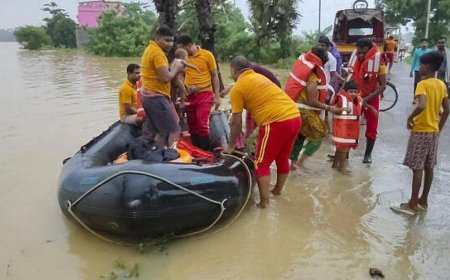
The Baitarani River and other rivers in northern Odisha have swollen, affecting low-lying areas. Recent reports said flooding had affected hundreds of villages across northern districts, with large numbers of people evacuated to safer locations.
In such circumstances, keeping schools closed can serve two purposes.
First, it protects students from travelling through potentially dangerous areas. Second, school buildings can potentially be made available for emergency purposes, including temporary shelter or relief activities if required.
Impact on Students
School closures inevitably affect students' education.
When classes are suspended for several days, students may miss lessons, assignments, practical activities and examinations. Younger students can be particularly affected if they are unable to maintain their normal learning routines.
However, during a natural disaster, education temporarily takes a secondary position to safety.
Schools can compensate for lost instructional time once conditions improve. Administrations may later adjust schedules, provide additional classes or use digital learning resources where appropriate.
The most important objective during severe flooding is ensuring that students do not have to travel through unsafe conditions merely to attend school.
Rural Students Face Greater Difficulties
The impact of heavy rain can be particularly severe for students living in rural communities.
Many rural students travel considerable distances to reach school. Some depend on small roads, bridges and local transport routes that can become unusable after heavy rain.
If a village becomes surrounded by floodwater, students may be unable to leave the area at all.
Even when water levels are relatively low, fast-moving water on roads can be dangerous. Children may also underestimate the risks associated with floodwater.
Closing schools therefore reduces unnecessary movement and helps prevent accidents.
Schools Can Become Relief Centres
During major flooding, schools sometimes serve an additional purpose beyond education.
Large school buildings can provide suitable temporary shelter for displaced families because they generally have classrooms, toilets, open spaces and access routes.
If evacuation becomes necessary in surrounding villages, school buildings may be used as relief centres depending on local administration requirements.
This means school closures can also help authorities keep buildings available for emergency response.
The priority is to ensure that people displaced by flooding have safe places to stay while water levels remain high.
Teachers and School Employees Also Need Protection
The closure decision protects not only students but also teachers, administrative employees, support staff and other school workers.
Teachers may have to travel from neighbouring villages or towns. Flooded roads can make these journeys difficult or dangerous.
In some areas, teachers themselves may have families affected by flooding and may need to assist with evacuation or household safety.
Temporary school closures therefore allow educational staff to avoid unnecessary travel while district administrations concentrate on emergency management.
Flooding Can Damage School Infrastructure
Heavy rainfall can cause physical damage to educational infrastructure.
Water entering classrooms can damage furniture, books, computers, laboratory equipment, electrical systems and teaching materials. Prolonged waterlogging can also weaken walls, floors and surrounding structures.
School grounds can become muddy or submerged, creating additional health and safety problems.
After the water recedes, authorities need to inspect buildings before allowing students to return.
Electrical connections should also be checked carefully because water exposure can create serious hazards.
Hygiene and Health Concerns
Flooding can create sanitation problems around schools.
Standing water can become contaminated with sewage or other pollutants. Children who come into contact with contaminated water may face an increased risk of illness.
Mosquitoes can also breed rapidly in stagnant water.
For these reasons, reopening schools immediately after flooding may not always be appropriate. Authorities may need to ensure that drinking water, toilets, classrooms and school grounds are safe before normal classes resume.
Cleaning and disinfection may also be necessary in severely affected buildings.
Education Disruption Is a Secondary Concern
Although school closures interrupt education, the alternative could expose children to unnecessary danger.
A student travelling through floodwater to reach school could face risks from:
-
Fast-moving water
-
Open drains
-
Damaged roads
-
Fallen trees
-
Electrical hazards
-
Weak bridges
-
Poor visibility during heavy rain
-
Traffic accidents
-
Waterborne contamination
Parents may also struggle to reach schools quickly if an emergency occurs during the journey.
Temporary closure eliminates much of this risk.
Previous School Closures Show the Wider Pattern
Odisha has experienced several school closures during periods of heavy rain and flooding this monsoon season.
Earlier in July, authorities ordered closures in different combinations of districts as rainfall intensified and flood risks increased. For example, schools and Anganwadi centres were closed in Jajpur, Bhadrak and Keonjhar during an earlier spell of heavy rainfall.
On another occasion, educational institutions were closed in several districts as the Mahanadi and other rivers rose and flood conditions worsened.
These repeated closures illustrate how severe monsoon weather can affect Odisha's education system.
Rivers Remain a Major Concern
The flood threat is closely linked to rising river levels.
The Baitarani, Brahmani, Salandi, Jalaka and Budhabalanga rivers have been under close observation during the recent flooding.
When these rivers rise, nearby low-lying areas can become inundated.
The situation can become more complicated when heavy rainfall continues upstream. Even if rainfall decreases in a particular town, water flowing downstream can cause river levels to remain elevated.
This is why authorities cannot base decisions only on local rainfall. They must also monitor conditions across entire river basins.
Transport Disruptions Affect School Attendance
Flooding can severely disrupt transportation.
Roads may be covered by water, while bridges and culverts can become unsafe. Public transport services may also be reduced.
For students who depend on buses or other transportation, this can make attending school impossible even if the school itself remains dry.
Railway authorities are also monitoring vulnerable sections in Odisha because of the continuing heavy rainfall. Railway Minister Ashwini Vaishnaw has directed officials to closely monitor vulnerable railway infrastructure to maintain passenger safety and reduce disruption.
The wider transportation situation is therefore an important factor in determining whether schools can safely operate.
What Parents Should Do
Parents in affected districts should follow instructions issued by their district administration and individual schools.
They should avoid sending children through flooded roads simply because a particular route appears passable.
Parents should also monitor official announcements regarding:
-
School reopening dates
-
Changes to examination schedules
-
Local road conditions
-
Weather warnings
-
Evacuation instructions
-
Relief-centre information
Rumours circulating on social media should not be treated as official information.
What Students Can Do During the Closure
Students can use the closure period to continue studying from home whenever conditions permit.
They can revise previously taught lessons, complete homework and assignments, read textbooks and prepare for upcoming examinations.
However, families affected directly by flooding may have much more urgent priorities, such as evacuation, protecting belongings and obtaining food and drinking water. In such cases, education can temporarily take a back seat.
Once conditions improve, schools can help students catch up with missed lessons.
When Could Schools Reopen?
The reopening date will depend on local conditions and instructions from district authorities.
Simply stopping rainfall does not necessarily mean that schools can immediately reopen. Officials may first need to check:
-
Whether roads are accessible.
-
Whether floodwater has receded.
-
Whether school buildings are structurally safe.
-
Whether electricity and drinking water are functioning safely.
-
Whether toilets and sanitation facilities are usable.
-
Whether transportation services have resumed.
-
Whether further heavy rainfall is forecast.
If these conditions improve, schools can gradually return to normal operations.
Broader Impact on Odisha's Education System
The latest closures highlight the vulnerability of education infrastructure to extreme weather.
Climate-related events such as heavy rainfall, floods and cyclones can interrupt schooling repeatedly. In rural areas, where infrastructure may be more vulnerable, the disruption can be particularly serious.
Schools therefore need disaster preparedness plans that include emergency communication systems, safe evacuation procedures and protection of educational materials.
Digital education can also provide an alternative when physical schools cannot operate, although internet connectivity and access to smartphones or computers remain challenges for many rural families.
Government's Broader Response
School closures are only one part of the state's broader response to the flood situation.
Authorities are simultaneously monitoring rivers, evacuating vulnerable residents, establishing relief centres and arranging food and other essential supplies.
Recent reports indicate that large numbers of people have already been evacuated as flooding intensified in northern Odisha.
The state administration is also maintaining close coordination with district authorities and disaster-response agencies.
The aim is to prevent loss of life while ensuring that basic services continue wherever possible.