Global Energy Crisis Deepens Due to Middle East Conflict
Global energy markets face instability as geopolitical tensions push oil prices higher, impacting economies worldwide.
 aaravi_editor
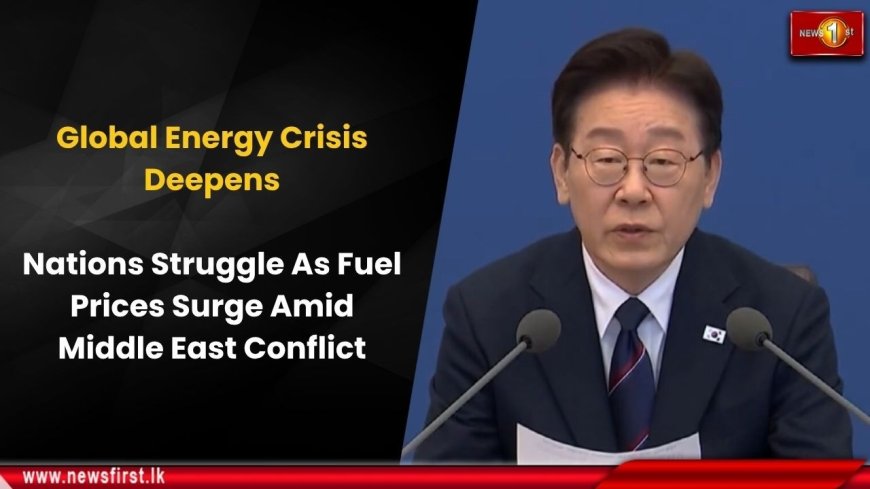
The global economy is currently facing significant turbulence due to rising energy prices triggered by geopolitical tensions in the Middle East. The disruption of key oil supply routes has led to increased uncertainty in international markets. Countries heavily dependent on oil imports are experiencing inflationary pressure, which is impacting both businesses and consumers.
The International Monetary Fund has warned that the ongoing situation could slow global economic growth. Energy costs are rising sharply, affecting industries such as aviation, manufacturing, and logistics. Businesses are being forced to adjust their pricing strategies, leading to higher costs for end consumers.
Developed and developing nations alike are struggling to manage the crisis. While some oil-exporting countries are benefiting from higher prices, import-dependent nations are facing economic stress. This imbalance is creating new challenges in global trade and economic stability.
Additionally, governments are being cautious about providing subsidies, as excessive support could worsen inflation. Experts suggest that structural reforms and investment in renewable energy are necessary to reduce dependency on fossil fuels.
Overall, the crisis highlights the vulnerability of global markets to geopolitical disruptions and underscores the importance of energy diversification.