
Beautiful Architecture is one of the most fascinating
The study of architecture is closely related to Architecture, which combines art, engineering, and environmental science.
 Avya7800
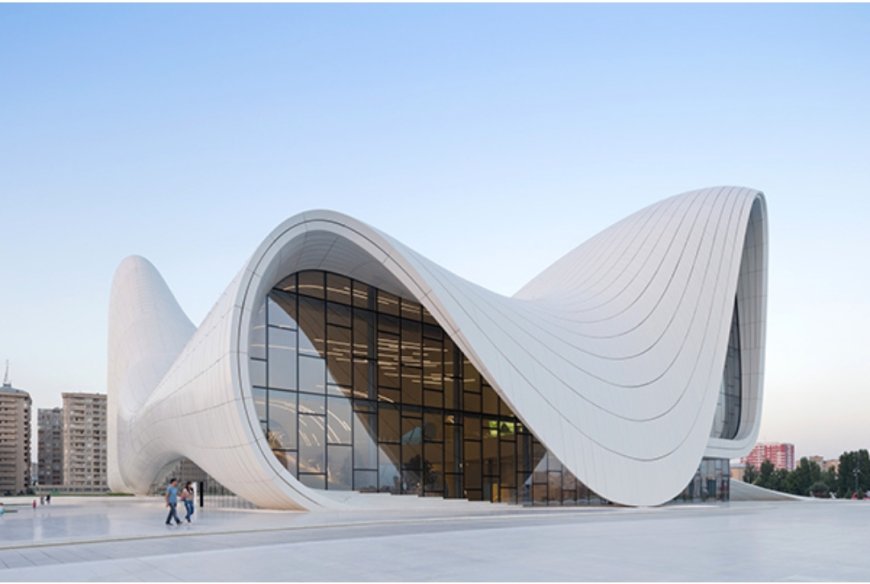
1. Meaning of Beautiful Architecture
Beautiful architecture refers to structures that:
Inspire admiration
Reflect harmony and balance
Blend functionality with artistic design
Beauty in architecture is subjective, but it often includes elements like symmetry, proportion, creativity, and cultural expression.
2. Elements of Beautiful Architecture
Several key elements contribute to architectural beauty:
(a) Design and Form
The shape and structure of a building play a major role in its beauty.
(b) Materials
Use of materials like stone, glass, wood, and steel enhances aesthetics.
(c) Light and Space
Natural light and open spaces create a sense of comfort and elegance.
(d) Texture and Color
Different textures and colors add depth and character.
3. Ancient Architecture
Ancient civilizations created some of the most beautiful architectural wonders.
(a) Pyramids of Giza
These pyramids are among the oldest and most iconic structures in the world, showcasing precision and engineering brilliance.
(b) Parthenon
A symbol of Greek architecture known for its symmetry and columns.
(c) Machu Picchu
An ancient Incan city set in the mountains, blending perfectly with nature.
4. Indian Architectural Heritage
India is rich in architectural beauty:
(a) Taj Mahal
A symbol of love and one of the most beautiful buildings in the world.
(b) Qutub Minar
A tall minaret showcasing Indo-Islamic architecture.
(c) Sun Temple
Famous for its intricate carvings and chariot-shaped structure.
5. Medieval Architecture
During the medieval period, architecture evolved with religious influences:
(a) Gothic Architecture
Features:
Pointed arches
Tall spires
Stained glass
Example:
Notre-Dame Cathedral
6. Modern Architecture
Modern architecture focuses on simplicity, functionality, and innovation.
(a) Skyscrapers
Tall buildings with glass and steel structures.
Example:
Burj Khalifa
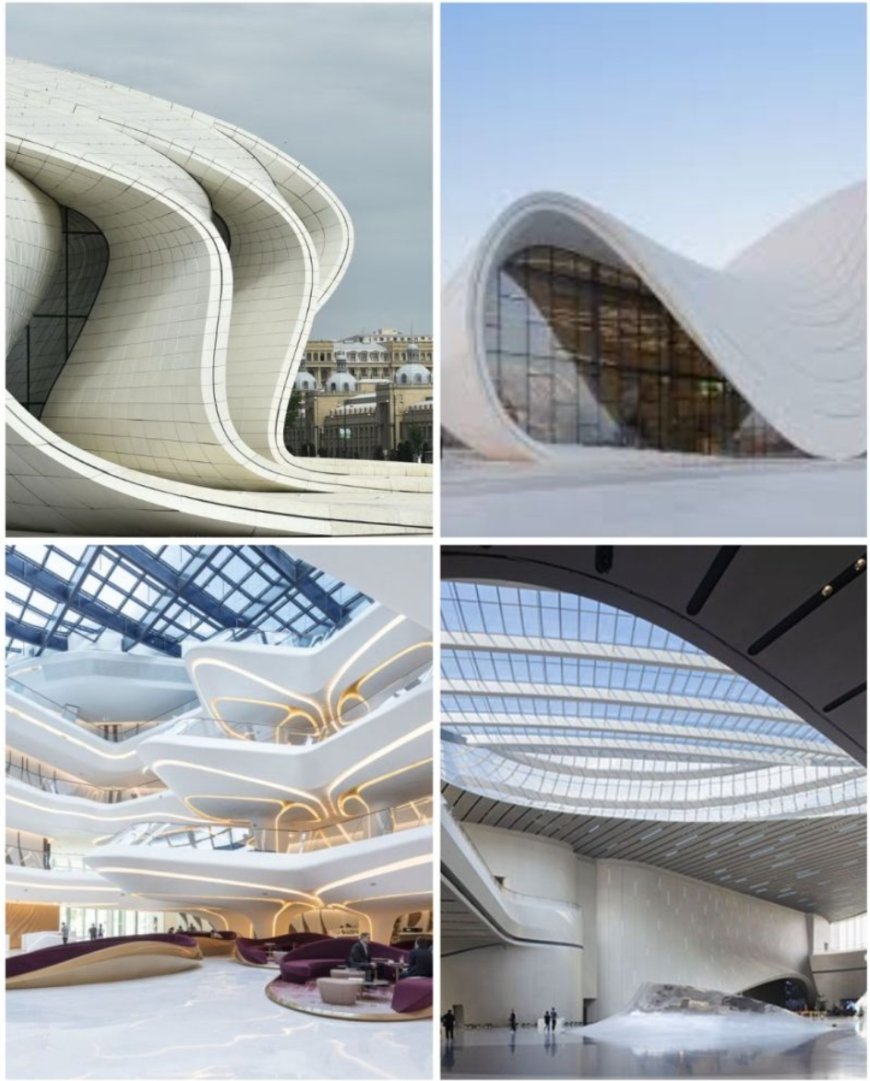
(b) Contemporary Designs
Modern buildings use creative designs and sustainable materials.
7. Famous Architects
Many architects have shaped the world with their designs:
(a) Frank Lloyd Wright
Known for organic architecture.
(b) Zaha Hadid
Famous for futuristic designs.
8. Role of Culture in Architecture
Architecture reflects culture and traditions:
Religious buildings
Traditional houses
Monuments
Each region has its own architectural style.
9. Sustainable Architecture
Modern architecture focuses on sustainability:
Energy-efficient buildings
Use of renewable resources
Eco-friendly designs
This approach helps protect the environment.
10. Urban Architecture
Cities are shaped by architectural planning:
Roads
Buildings
Public spaces
Urban design improves quality of life.
11. Interior Architecture
Interior design is also part of architecture:
Furniture
Lighting
Decoration
It enhances comfort and functionality.
12. Technology in Architecture
Technology has revolutionized architecture:
Computer-aided design (CAD)
3D modeling
Smart buildings
These tools improve precision and creativity.
13. Importance of Architecture
Architecture plays a vital role in society:
(a) Provides Shelter
Basic need for human survival.
(b) Enhances Beauty
Creates visually appealing environments.
(c) Reflects Identity
Represents culture and heritage.
14. Future of Architecture
The future includes:
Smart cities
Green buildings
Innovative designs
Architects will continue to create sustainable and beautiful structures.
15. Challenges in Architecture
Environmental concerns
Urban overcrowding
Cost of construction
Balancing beauty and functionality is a challenge.
Conclusion
Beautiful architecture is a blend of art, science, and creativity. From ancient wonders like the Pyramids of Giza to modern marvels like the Burj Khalifa, architecture reflects human progress and imagination.
Through the study of Architecture, we understand how structures are designed to meet both functional and aesthetic needs. Architecture is not just about buildings—it is about creating spaces that inspire, comfort, and connect people.