Flood Situation Worsens in Odisha: Over 41,000 People Evacuated
Flood Situation Worsens in Odisha: Over 41,000 People Evacuated
 Madhavisanvi
Flood Situation Worsens in Odisha: Over 41,000 People Evacuated
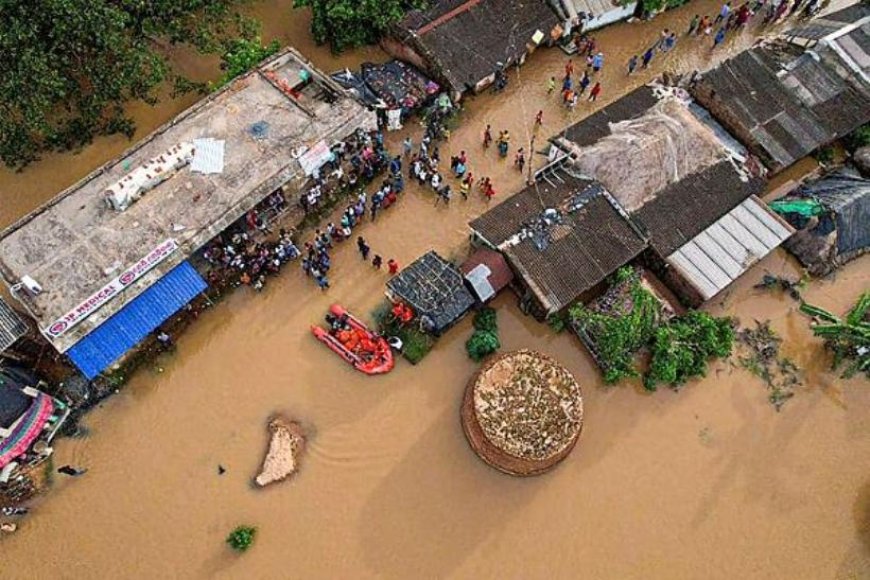
The flood situation in parts of northern Odisha has worsened following heavy rainfall over the past few days, with swollen rivers inundating villages, damaging roads and disrupting normal life. Balasore has emerged as one of the worst-affected districts, while several neighbouring districts are also facing flood-related problems.
Heavy rainfall triggers fresh flooding
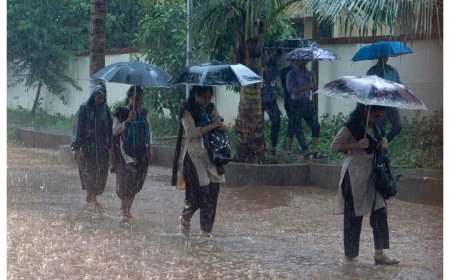
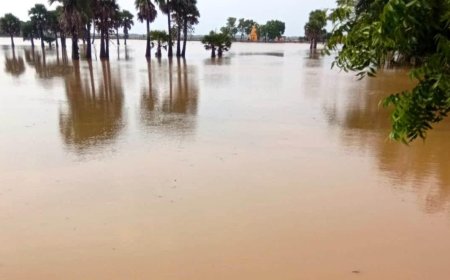
Continuous heavy rainfall has increased water levels in several rivers and water bodies across northern Odisha. As river levels rise beyond danger marks, water has entered low-lying villages and affected roads and other local infrastructure.
The latest reports indicate that six districts have been affected, with 429 villages across 52 blocks reporting the impact of floodwaters.
The situation is particularly concerning in areas where residents are already vulnerable because of earlier rainfall and flooding. Additional rainfall could make it more difficult for floodwaters to recede.
More than 41,000 people evacuated
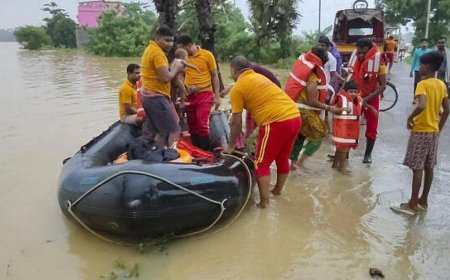
Authorities have stepped up evacuation operations in vulnerable areas. More than 41,000 people have reportedly been moved to safer locations, with relief centres being opened for displaced residents.
Officials are prioritising people living in low-lying and flood-prone villages, particularly those close to rivers and areas where roads have become difficult or impossible to use.
The evacuation effort is intended to prevent loss of life and ensure that people have access to food, drinking water, medical assistance and temporary shelter.
Balasore among the worst-affected
Balasore district is facing particularly serious conditions. Several villages and low-lying areas have been affected by rising water, while roads have been inundated in some locations.
The district administration has intensified rescue and relief operations and is monitoring vulnerable areas. Reports also indicate that nearby districts including Mayurbhanj, Bhadrak, Jajpur and Keonjhar have been affected by the latest flooding.
Rescue teams deployed
The administration has deployed 79 rescue teams to assist people trapped or affected by floodwaters. Relief centres have also been established to accommodate evacuated residents.
Rescue personnel are working in areas where rising water has made normal transportation difficult. Local officials are also monitoring river levels and coordinating evacuation and relief activities.
🛣️ Roads and daily life disrupted
Floodwaters have disrupted transportation in several areas. Waterlogging and inundation of roads have made movement difficult, particularly in rural areas.
For residents, the flooding has affected daily travel, access to markets, schools, healthcare and other essential services. In some villages, people have had to move to safer locations as water levels increased.
Authorities are advising residents in vulnerable areas to avoid unnecessary travel through flooded roads and to follow evacuation instructions when issued.
More rainfall remains a concern
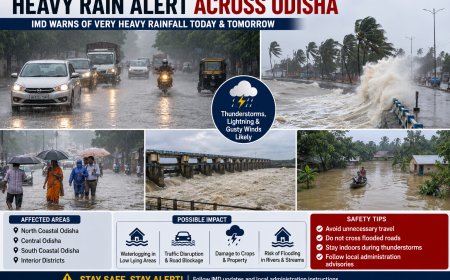
The immediate concern is that additional rainfall could worsen the flood situation. Weather authorities have forecast further rain over Odisha, meaning rivers may continue to receive additional water from their catchments.
Officials are therefore maintaining close watch on river levels and flood-prone areas.
The combination of already saturated ground, swollen rivers and additional rainfall could increase the risk of further inundation, especially in low-lying areas.
Relief and rehabilitation efforts
Relief centres are being used to provide temporary shelter and essential assistance to evacuated residents. Authorities are working to ensure that affected families receive food, drinking water and basic medical support.
After floodwaters recede, officials will also need to assess damage to homes, roads, agricultural land and public infrastructure.
Impact on agriculture
Flooding can also cause significant damage to agricultural fields. Standing crops may be submerged for extended periods, potentially causing losses for farmers.
In rural Odisha, where many families depend on agriculture and livestock, prolonged flooding can create additional economic difficulties. Authorities may need to conduct crop and property assessments once the water level falls.
⚠️ What residents should do
People living in flood-prone areas should remain alert and follow instructions from district authorities and disaster-management teams. Residents should avoid crossing flooded roads, bridges or fast-moving streams and should move to designated relief centres if evacuation is ordered.
People should also keep essential medicines, drinking water, important documents, mobile phones and emergency supplies ready in case they need to leave their homes quickly.