
Japan Culture and Traditions –
 Avya7800
Introduction
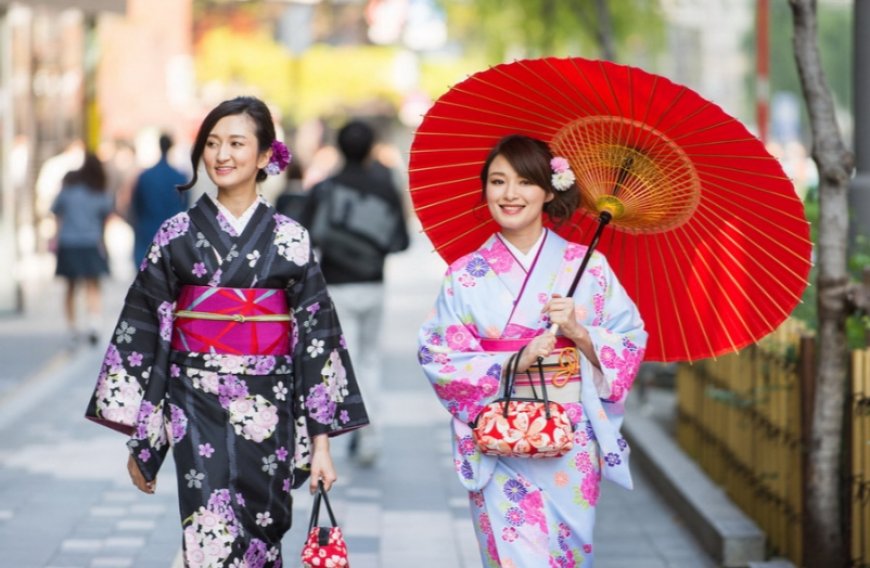
Japan is a country rich in culture and traditions, where ancient customs blend beautifully with modern life. The culture of Japan is known for its discipline, respect, harmony, and deep connection with nature. Despite being one of the most technologically advanced countries, Japan has preserved its traditional values for centuries.
Japanese culture is influenced by religion, geography, history, and social values. Traditions are followed in daily life, festivals, food, clothing, and behavior, making Japan unique and fascinating.
Historical Background of Japanese Culture
Japanese culture has evolved over thousands of years. It has been influenced by neighboring countries like China and Korea, especially in religion, writing, and art.
Two major religions have shaped Japanese traditions:
Shinto
Buddhism
Shinto focuses on nature and spirits (kami), while Buddhism teaches peace, simplicity, and spiritual growth. Together, they form the foundation of Japanese beliefs and customs.
Core Values of Japanese Society
1. Respect (Rei)
Respect is one of the most important values in Japan. People show respect through bowing, polite language, and proper behavior.
2. Harmony (Wa)
Harmony is essential in Japanese society. People avoid conflict and work together peacefully.
3. Discipline and Hard Work
Japanese people are known for their dedication, punctuality, and strong work ethic.
Traditional Japanese Clothing
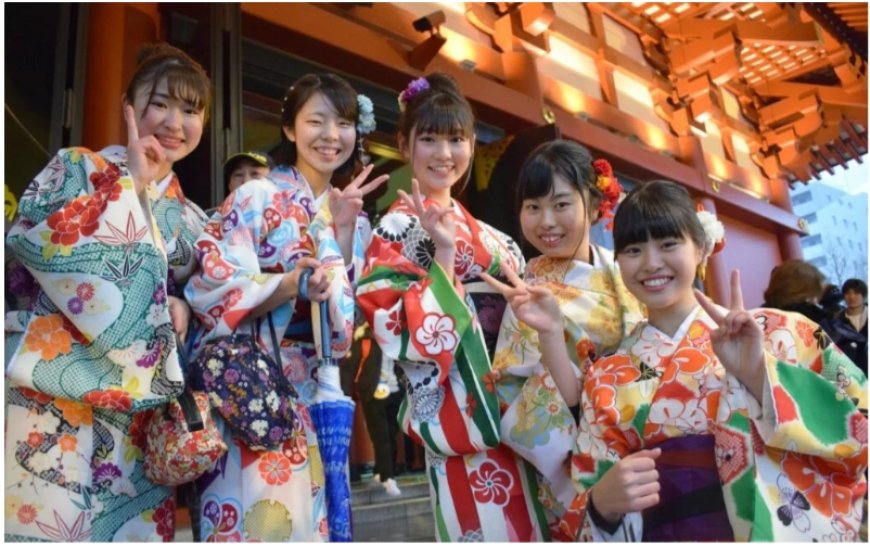
The most famous traditional dress in Japan is the kimono.
Kimono
A long, flowing robe with wide sleeves
Worn during festivals, weddings, and ceremonies
Often made of silk with beautiful designs
Men wear a simpler version, while women’s kimonos are colorful and decorative.
Japanese Food Culture
Japanese cuisine is one of the healthiest and most popular in the world.
Famous Japanese Foods
Sushi
Ramen
Tempura
Food presentation is very important in Japan. Meals are arranged beautifully and reflect seasonal changes.
Tea Ceremony (Chanoyu)
The Japanese tea ceremony is a traditional ritual of preparing and serving green tea.
It represents:
Respect
Cleanliness
Harmony
Peace
The ceremony is performed in a calm and simple environment, reflecting Japanese aesthetics.
Festivals in Japan
Japan celebrates many colorful festivals known as Matsuri.
Popular Festivals
Cherry Blossom Festival
Gion Matsuri
Tanabata Festival
These festivals include music, dance, traditional clothing, and food.
Art and Aesthetics
Japanese art reflects simplicity, nature, and beauty.
1. Calligraphy (Shodo)
Art of beautiful writing using brush and ink.
2. Origami
The art of paper folding to create shapes and figures.
3. Ikebana
Traditional flower arrangement focusing on balance and harmony.
Traditional Architecture
Japanese houses and buildings reflect simplicity and nature.
Features include:
Wooden structures
Sliding doors (Shoji)
Tatami mats (flooring)
Gardens and natural surroundings
Temples and shrines are important parts of Japanese architecture.
Samurai and Bushido
The samurai were ancient Japanese warriors who followed a strict code called Bushido.
Bushido emphasized:
Loyalty
Honor
Courage
Discipline
Even today, these values influence Japanese society.
Language and Communication
The Japanese language is unique and complex. It includes:
Hiragana
Katakana
Kanji
Communication is often indirect and polite, showing respect and humility.
Religion and Spiritual Life
Religion plays an important role in daily life.
Shinto Practices
Worship of nature and ancestors
Visiting shrines
Buddhist Practices
Meditation
Spiritual teachings
Many Japanese people follow both religions.
Family and Social Structure
Family is very important in Japan.
Respect for elders is strongly emphasized
Children are taught discipline and responsibility
Family traditions are maintained
Modern Influence on Traditional Culture
Japan successfully blends modern life with traditional culture.
People wear Western clothes daily but traditional dress on special occasions
Modern technology coexists with ancient rituals
Traditional festivals are still widely celebrated
Etiquette and Manners
Japanese society has strict rules of etiquette.
Common Practices
Bowing instead of handshakes
Removing shoes before entering homes
Speaking politely
These practices show respect and discipline.
Education and Cultural Values
Education in Japan emphasizes:
Discipline
Respect
Group harmony
Students learn moral values along with academic subjects.
Nature and Seasonal Appreciation
Japanese culture has a deep connection with nature.
People celebrate seasons through:
Flower viewing (Hanami)
Autumn leaf viewing
Nature is respected and appreciated in daily life.
Technology and Tradition Together
Japan is a modern country, yet it maintains its traditions.
For example:
Advanced cities like Tokyo coexist with ancient temples
Traditional arts are preserved alongside modern entertainment
Global Influence of Japanese Culture
Japanese culture has influenced the world in many ways:
Cuisine (sushi, ramen)
Fashion
Animation and films
Martial arts
People worldwide admire Japan’s traditions and lifestyle.
Interesting Facts
Japan has one of the longest cultural histories
Bowing is an important form of greeting
Seasonal festivals are widely celebrated
Traditional arts are still practiced today
Conclusion
The culture and traditions of Japan are a perfect blend of ancient values and modern progress. From religious beliefs and festivals to food, art, and daily life, every aspect reflects discipline, harmony, and respect.
Traditions like the Cherry Blossom Festival, practices influenced by Shinto and Buddhism, and values like Bushido continue to shape Japanese society.
In conclusion, Japan’s culture is not only rich and diverse but also a source of inspiration for the entire world. It teaches us the importance of balance between tradition and modernity, making it one of the most unique cultures globally.