Art and Culture of Madhubani, Bihar (Detailed Description)
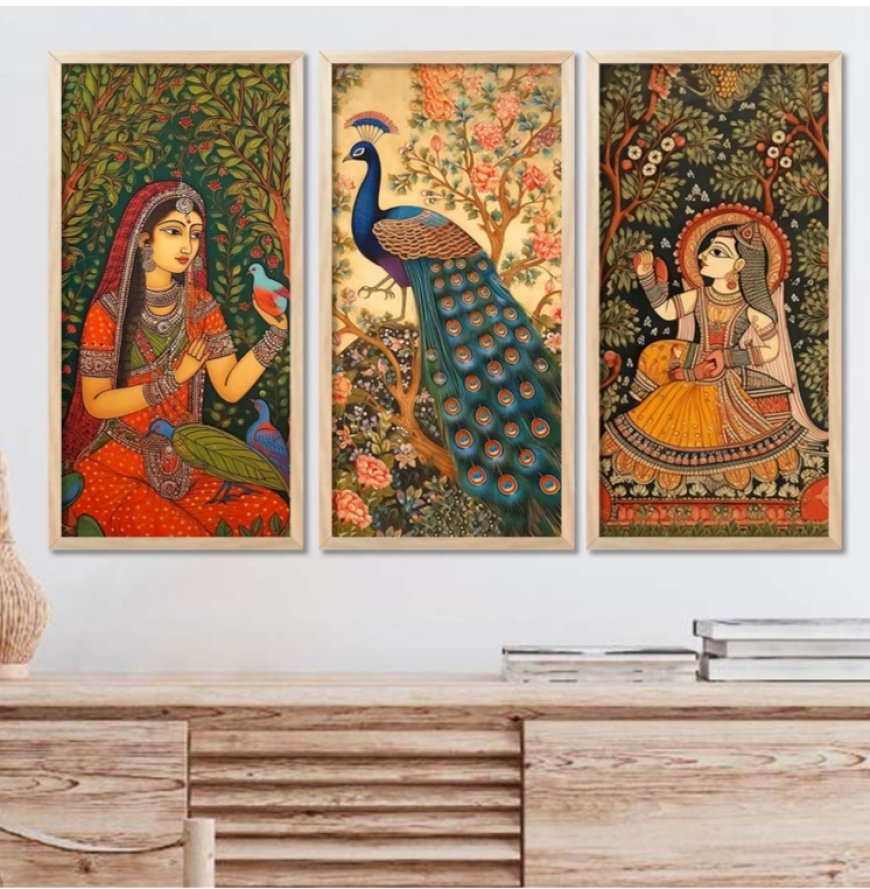
🌍 Introduction Madhubani, located in the Mithila region of Bihar, is famous worldwide for its unique and vibrant Madhubani painting. The culture of this region is deeply rooted in tradition, mythology, and community life. It reflects the artistic spirit of the people and their strong connection to religion and nature. Madhubani is not just a place; it represents a rich cultural heritage passed down through generations, especially among women artists who have preserved this art form. 🎨 Madhubani Painting (Mithila Art) The most important cultural identity of Madhubani is its traditional painting style, also known as Mithila Art. ✏️ Origin and History Madhubani painting is believed to have originated during the time of King Janaka, who ruled the Mithila region. According to legend, he commissioned artists to decorate the city for the wedding of his daughter Sita to Lord Rama. Traditionally, women painted on walls and floors of their homes during festivals and special occasions. 🖌️ Features of Madhubani Art Madhubani paintings are known for their: Bright and bold colors Intricate patterns and designs Use of natural dyes and pigments Absence of empty spaces (filled with flowers, animals, or geometric patterns) Artists use fingers, twigs, brushes, and matchsticks to create designs. 🎭 Themes of Painting Common themes include: Hindu gods and goddesses (Krishna, Rama, Durga) Nature (sun, moon, trees, animals) Social events (marriage, festivals) Mythological stories These paintings reflect religious beliefs and daily life. 🧾 Types of Madhubani Paintings There are several styles: Bharni – filled with vibrant colors Kachni – fine line work and shading Tantrik – religious and spiritual themes Godna – inspired by tattoo patterns Kohbar – associated with marriage rituals Each style has its own significance and technique. 🎉 Festivals and Traditions Festivals play an important role in the culture of Madhubani. 🌼 Major Festivals Chhath Puja: Dedicated to the Sun God, celebrated with devotion near rivers and ponds Durga Puja: Worship of Goddess Durga Holi: Festival of colors Diwali: Festival of lights Sama Chakeva: A unique Mithila festival celebrating the bond between brothers and sisters During these festivals, homes are decorated with Madhubani paintings. 👨👩👧 Social and Family Life The culture of Madhubani strongly emphasizes: Family values Respect for elders Community living Joint families are common, and traditions are passed from one generation to another. Marriage ceremonies are elaborate and include rituals like the Kohbar painting, which symbolizes love and fertility. 🗣️ Language and Literature The main language spoken in Madhubani is Maithili, one of the oldest languages of India. Maithili literature has a rich tradition with poets like Vidyapati, who wrote devotional and romantic poetry. Folk songs and oral traditions are an important part of daily life. 🎶 Music and Dance Music and dance are integral to cultural expression. 🎵 Folk Music Popular forms include: Sohar (birth songs) Vivah geet (wedding songs) Chhath songs 💃 Dance Traditional dances are performed during festivals and celebrations, reflecting joy and devotion. 👗 Dress and Lifestyle People in Madhubani wear traditional attire: Women: Saree with traditional designs Men: Dhoti and kurta Jewelry and ornaments are also important, especially during festivals and weddings. 🍛 Food Culture The food of Madhubani is simple yet delicious. 🍽️ Common Dishes Rice and dal Roti and vegetables Sattu (roasted gram flour) Litti chokha Food reflects the agricultural lifestyle of the region. 🌾 Occupation and Rural Life Most people in Madhubani are involved in: Agriculture Handicrafts Painting The rural lifestyle is simple and closely connected to nature. 🏛️ Religious and Spiritual Life Religion plays a central role in daily life. People worship various Hindu deities and follow rituals with devotion. Temples and sacred places are important community centers. 🌿 Connection with Nature Nature is deeply reflected in Madhubani culture: Paintings include animals, birds, and plants Festivals are linked to seasons and agriculture People respect and celebrate natural elements. 🌐 Global Recognition Madhubani painting has gained international recognition and is exported worldwide. It is now practiced on: Paper Cloth Canvas This has helped in promoting local artists and preserving the tradition. 📚 Importance of Women in Art Women play a major role in preserving Madhubani art. Traditionally, the knowledge was passed from mothers to daughters. Today, many women artists have gained national and international fame. 📌 Conclusion The art and culture of Madhubani represent a beautiful blend of tradition, creativity, and spirituality. From its world-famous paintings to its festivals, music, and lifestyle, every aspect reflects the rich heritage of the Mithila region. Madhubani stands as a symbol of India’s cultural diversity and artistic excellence. Its traditions continue to thrive in modern times, connecting the past with the present.
 Avya7800
0
1