Art and Culture of Odisha -
Odisha, a culturally rich state on the eastern coast of India, is known for its vibrant traditions, classical arts, ancient architecture, and deep spiritual roots. The art and culture of Odisha reflect centuries of history, devotion, and creativity. From magnificent temples and classical dance forms to colorful festivals and exquisite handicrafts, Odisha presents a unique blend of tradition and artistic excellence.
 Avya7800
Historical Foundation of Art and Culture
The cultural heritage of Odisha dates back thousands of years and has been shaped by various dynasties, religious movements, and historical events. One of the most significant turning points was the Kalinga War, after which Emperor Ashoka embraced Buddhism and promoted peace and cultural development.
Over time, Odisha became a center of temple architecture, sculpture, dance, and music. The rulers of ancient Kalinga encouraged artistic expression, leading to the creation of magnificent structures and art forms that still exist today.
Temple Architecture and Sculpture
Odisha is famous for its unique style of temple architecture, known as the Kalinga style. These temples are not only places of worship but also masterpieces of art and engineering.
The Konark Sun Temple is one of the finest examples of this architectural brilliance. Designed in the shape of a chariot with intricately carved wheels and horses, the temple reflects the artistic and technical skills of ancient craftsmen.
Another significant temple is the Jagannath Temple in Puri, which is not only a religious center but also a symbol of cultural unity. The Lingaraj Temple in Bhubaneswar is another remarkable example of architectural excellence.
The temples of Odisha are adorned with detailed carvings depicting gods, goddesses, animals, dancers, and scenes from daily life. These sculptures reflect both religious devotion and artistic creativity.
Classical Dance – Odissi
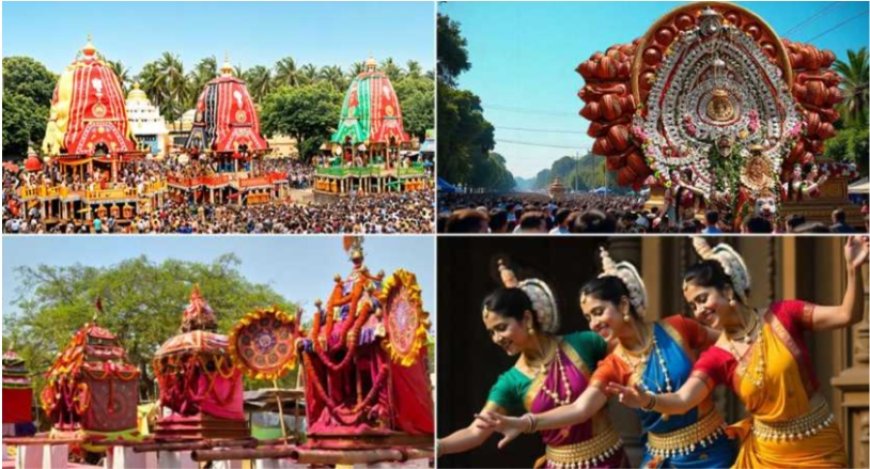
One of the most prominent cultural contributions of Odisha is Odissi, one of the oldest classical dance forms in India. It originated in temples and was performed by “Maharis” (temple dancers) as a form of devotion.
Odissi dance is characterized by graceful movements, intricate footwork, and expressive gestures (mudras). It often narrates stories from Hindu mythology, especially those related to Lord Krishna and Lord Jagannath. The dance form combines spirituality with artistic beauty, making it a significant part of Odisha’s cultural identity.
Music Tradition
Music plays an essential role in the cultural life of Odisha. Odissi music, closely associated with Odissi dance, is based on classical ragas and talas.
Traditional instruments such as the mardala, veena, flute, and cymbals are used in performances. Devotional songs dedicated to Lord Jagannath and other deities are an important part of the musical tradition.
Folk music is also widely popular and reflects the daily life, emotions, and traditions of rural communities.
Festivals and Celebrations
Festivals in Odisha are vibrant and deeply rooted in tradition. They bring people together and showcase the cultural richness of the state.
The most famous festival is the Rath Yatra, celebrated in Puri. During this grand event, huge chariots carry the deities of Lord Jagannath, Lord Balabhadra, and Goddess Subhadra through the streets, attracting millions of devotees.
Other important festivals include:
Durga Puja: Celebrated with grandeur, especially in Cuttack, known for its silver filigree decorations.
Raja Festival: Celebrates womanhood and the fertility of the earth.
Makar Sankranti: Marks the harvest season.
Kartik Purnima: Known for the tradition of floating miniature boats.
These festivals are marked by rituals, music, dance, and traditional food.
Traditional Art and Crafts
Odisha is renowned for its rich tradition of handicrafts, which reflect the creativity and skill of its artisans.
Pattachitra Painting: A traditional art form that depicts mythological stories, especially those related to Lord Jagannath. These paintings are known for their intricate details and vibrant colors.
Appliqué Work (Pipili Art): Colorful fabric work used in decorations, umbrellas, and festival items.
Silver Filigree (Tarakasi): A delicate art form practiced in Cuttack, known for its intricate designs made from silver wires.
Stone and Wood Carving: Seen in temples and sculptures across the state.
These crafts not only preserve cultural heritage but also provide livelihood to many artisans.
Handloom and Textiles
Odisha has a rich tradition of handloom weaving. Sarees like Sambalpuri, Bomkai, and Ikat are famous for their unique patterns and vibrant colors.
These textiles often feature traditional motifs inspired by nature, mythology, and tribal art. Handloom weaving is an important part of Odisha’s cultural identity and economy.
Tribal Art and Culture
Odisha is home to a large number of tribal communities, each with its own unique culture and traditions. These tribes live in harmony with nature and have preserved their customs for generations.
Tribal art includes wall paintings, handicrafts, and jewelry. Their dances and music are energetic and reflect their connection with nature and spirituality.
Tribal festivals, rituals, and lifestyles add diversity and richness to the cultural landscape of Odisha.
Literature and Language
The official language of Odisha is Odia, which has a rich literary tradition. Odia literature includes poetry, prose, and religious texts that reflect the cultural and spiritual life of the people.
Great poets and writers have contributed to the development of Odia literature, making it an important aspect of the state’s culture.
Food Culture
The cuisine of Odisha is simple, healthy, and deeply connected to tradition. Rice is the staple food, accompanied by vegetables, lentils, and fish.
The “Mahaprasad” of the Jagannath Temple is a unique cultural and religious offering that is shared among devotees.
Popular dishes include dalma, pakhala (fermented rice), and sweets like rasgulla and chhena poda.
Cultural Values and Lifestyle
The people of Odisha are known for their simplicity, hospitality, and strong cultural values. Respect for tradition, family, and religion is deeply ingrained in their daily lives.
Cultural practices such as traditional greetings, rituals, and community celebrations reflect a harmonious and balanced lifestyle.
Preservation of Culture
Despite modernization, Odisha has successfully preserved its art and culture. Government initiatives, cultural organizations, and local communities play an important role in promoting and protecting traditional art forms.
Festivals, dance performances, exhibitions, and tourism help in keeping the cultural heritage alive.
Conclusion
The art and culture of Odisha are a reflection of its glorious history, spiritual depth, and artistic excellence. From classical dance and music to temples, festivals, and handicrafts, every aspect of Odisha’s culture tells a story of creativity and devotion.
What makes Odisha unique is the harmony between tradition and modernity. Its culture is not just preserved in monuments or museums but is alive in the daily lives of its people.