Famous Cricket Stadiums in India
India is a country where cricket is more than just a sport—it is a passion that connects millions of people.
 Avya7800
Introduction to Cricket Stadiums in India
Cricket stadiums are specially designed grounds where cricket matches are organized. These stadiums include a large playing field, pitch, seating arrangements for spectators, dressing rooms, media facilities, and modern infrastructure. In India, cricket stadiums vary from historic grounds built during the British era to ultra-modern arenas equipped with advanced technology.
The popularity of cricket in India has led to the development of many world-class stadiums that host international matches, domestic tournaments, and leagues like the Indian Premier League (IPL).
Historical Development of Indian Stadiums
The history of cricket stadiums in India dates back to the colonial period when the British introduced cricket to the country. Early stadiums were simple grounds with basic facilities. Over time, as cricket gained popularity, these grounds were expanded and modernized.
One of the oldest and most famous stadiums is Eden Gardens, established in 1864. It is often called the “Mecca of Indian cricket” because of its rich history and passionate crowd.
Another historic stadium is M. A. Chidambaram Stadium, also known as Chepauk. It has witnessed many memorable matches and is known for its knowledgeable cricket audience.
Modern Cricket Stadiums in India
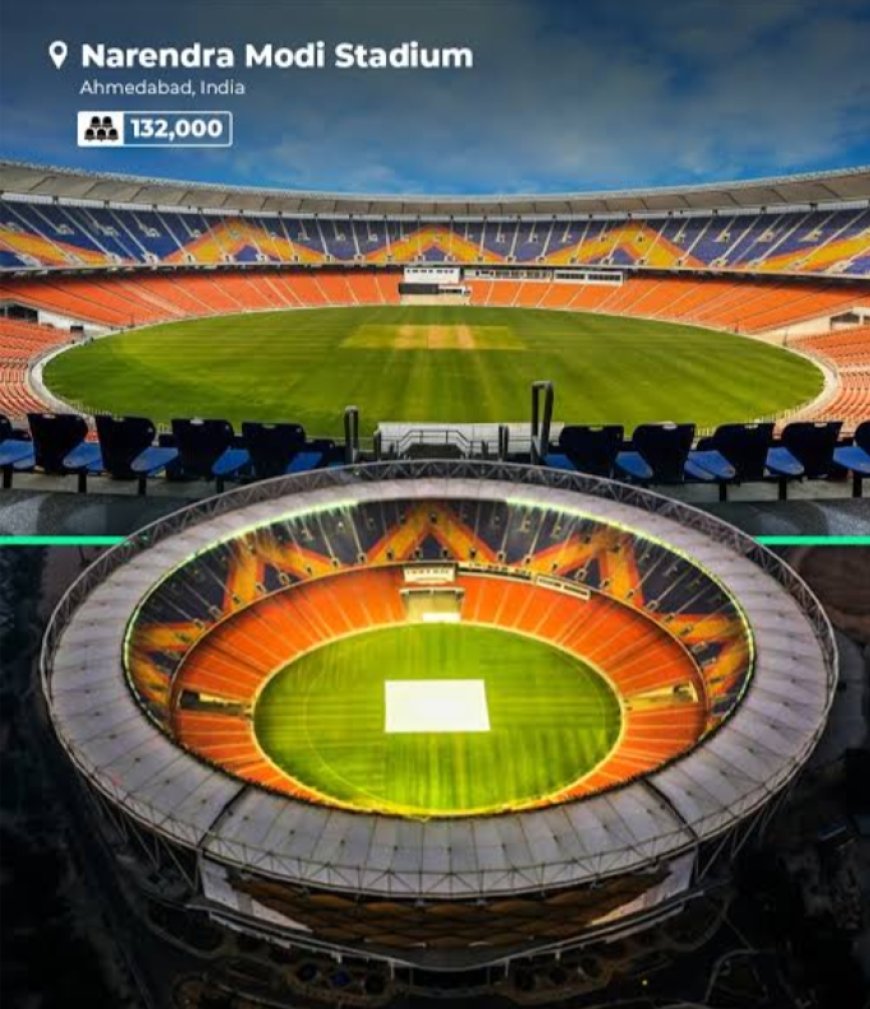
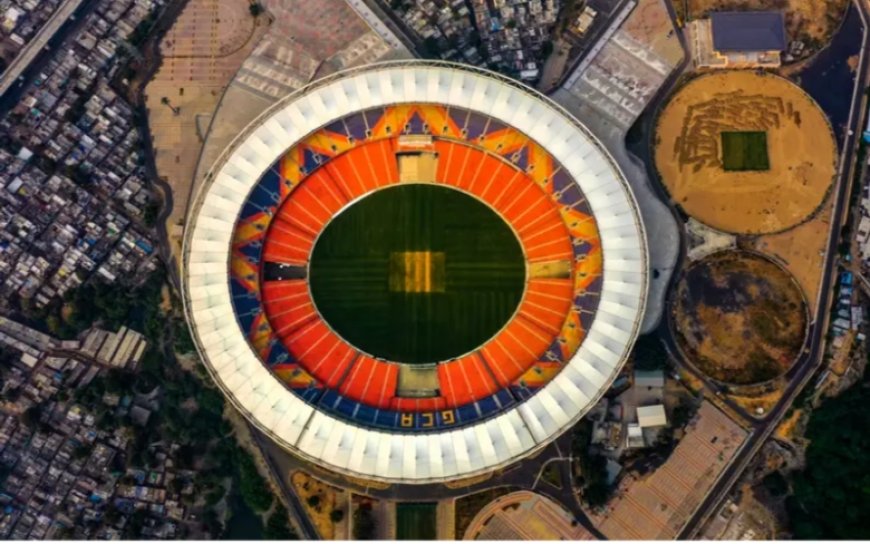
In recent years, India has built several modern stadiums with world-class facilities. The most remarkable among them is the Narendra Modi Stadium, which is the largest cricket stadium in the world with a seating capacity of over 1,30,000 spectators.
Modern stadiums are equipped with:
Floodlights for day-night matches
High-quality pitches and drainage systems
Digital scoreboards and giant screens
Comfortable seating and VIP boxes
Security and crowd management systems
These features enhance both player performance and spectator experience.
Famous Cricket Stadiums in India
1. Wankhede Stadium
Located in Mumbai, this stadium is famous for hosting the 2011 Cricket World Cup Final, where India won the trophy. It is known for its lively atmosphere and coastal conditions.
2. M. Chinnaswamy Stadium
This stadium is popular for high-scoring matches due to its batting-friendly pitch. It is also one of the first stadiums in India to use solar energy.
3. Arun Jaitley Stadium
Formerly known as Feroz Shah Kotla Stadium, it is one of the oldest cricket venues in India and is known for spin-friendly pitches.
4. Rajiv Gandhi International Cricket Stadium
A modern stadium with excellent infrastructure, it regularly hosts international matches and IPL games.
5. Sawai Mansingh Stadium
This stadium is known for its balanced pitch conditions and has hosted many exciting IPL matches.
6. PCA Stadium
Famous for its fast and bouncy pitch, it has hosted several important international matches.
7. Greenfield International Stadium
One of the newest stadiums, it is a multipurpose venue with modern facilities.
Structure of a Cricket Stadium
A cricket stadium generally consists of the following parts:
1. Playing Field
A large oval-shaped ground with a central pitch made of carefully prepared soil.
2. Pitch
The most important part of the field where bowling and batting take place. The nature of the pitch affects the game.
3. Pavilion
The area where players sit, rest, and prepare for the match.
4. Stands
Seating arrangements for spectators, ranging from general stands to VIP and corporate boxes.
5. Media and Broadcasting Facilities
Modern stadiums include press boxes, commentary rooms, and broadcasting equipment.
Importance of Cricket Stadiums
Cricket stadiums play a vital role in India’s sports ecosystem:
1. Hosting International Matches
India regularly hosts matches involving top cricketing nations.
2. IPL Matches
The Indian Premier League is one of the most popular T20 leagues in the world, and Indian stadiums are its main venues.
3. Economic Impact
Matches attract tourists, generate employment, and boost local businesses.
4. National Pride
Hosting international matches enhances India’s reputation in global sports.
Crowd and Atmosphere
Indian cricket stadiums are famous for their energetic and passionate crowds. Fans cheer loudly, wave flags, and celebrate every moment of the game. The atmosphere during important matches, especially India vs Pakistan games or IPL finals, is electrifying.
For example, matches at Eden Gardens are known for massive crowd support, often exceeding 60,000 spectators.
Technological Advancements
Modern Indian stadiums use advanced technology to improve the game experience:
LED floodlights for better visibility
Decision Review System (DRS) support
High-definition broadcasting
Giant LED screens for replays
Online ticketing systems
These innovations have made cricket more enjoyable for both players and fans.
Challenges Faced by Stadiums
Despite their importance, cricket stadiums face several challenges:
Maintenance of pitches and infrastructure
Crowd management during large events
Weather conditions affecting matches
High costs of construction and renovation
Authorities continuously work to overcome these challenges.
Future of Cricket Stadiums in India
The future of cricket stadiums in India looks promising. New stadiums are being built, and existing ones are being upgraded to meet international standards. Smart stadiums with eco-friendly designs and digital technology are becoming more common.
India is also aiming to host more international tournaments, which will further enhance the importance of its stadiums.
Conclusion
Indian cricket stadiums are not just sports venues; they are symbols of passion, history, and national pride. From the historic Eden Gardens to the विशाल Narendra Modi Stadium, each stadium has its own unique identity and significance.
These stadiums have witnessed legendary performances, unforgettable victories, and emotional moments that have shaped the history of cricket. As cricket continues to grow in India, these stadiums will remain at the heart of the game, inspiring future generations and bringing millions of fans together.