Delhi-NCR Enters ‘Severe’ Air Quality Zone, GRAP Stage 4 Restrictions Enforced
Delhi-NCR enforces GRAP Stage 4 restrictions as AQI slips into the severe category amid smog, dense fog and extreme winter conditions.
 aaravi_editor
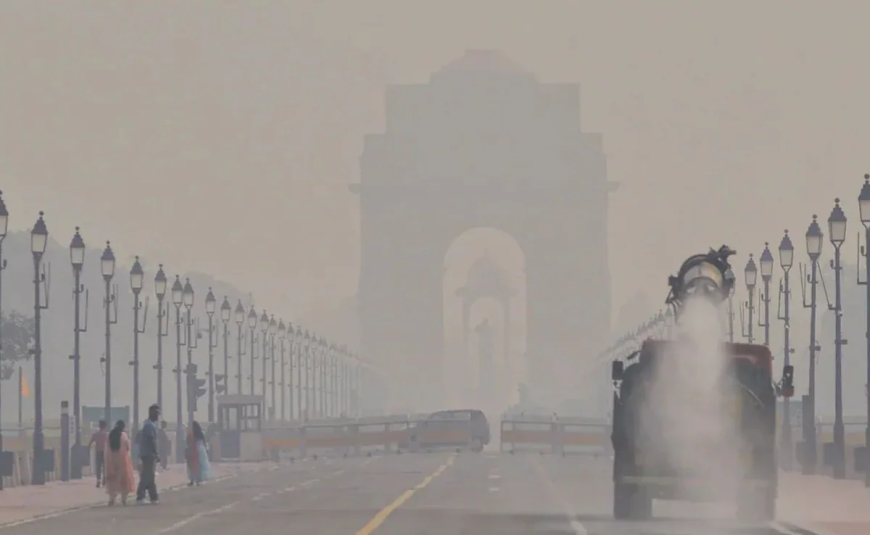
Stricter pollution control measures under Stage 4 of the Graded Response Action Plan (GRAP) have been implemented across Delhi-NCR after air quality deteriorated to the “severe” category on Saturday evening, January 17.
The decision was taken by the Commission for Air Quality Management (CAQM), just a day after Stage 3 restrictions were imposed, as pollution levels continued to worsen.
According to official data, Delhi’s 24-hour average Air Quality Index (AQI) stood at 354 on Saturday, categorised as “very poor”, but escalated to 416 by 6 pm, pushing the city into the “severe” pollution bracket. Under GRAP norms, AQI levels are classified as poor (201–300), very poor (301–400), severe (401–450), and severe plus (above 450).
The spike in pollution coincides with dense fog conditions and extreme winter cold, where fog combined with high particulate matter has resulted in smog, further trapping pollutants near the surface.
A senior official, citing forecasts, said that slow wind speeds, a stable atmosphere, and unfavourable weather conditions are preventing the dispersal of pollutants. As a result, Delhi’s average AQI is expected to remain above 400 in the coming days, according to inputs shared with news agency PTI.
Earlier, GRAP Stage 3 restrictions had been lifted on January 2 following temporary improvement in air quality, while Stages 1 and 2 remained in force. However, deteriorating conditions over the past two days led to the reintroduction of stricter curbs.
Weather Adds to the Crisis
Meanwhile, the national capital recorded a minimum temperature of 4.4°C on Saturday, which was 3.2 degrees below the seasonal average, as per the India Meteorological Department (IMD).
Weather experts expect slight relief in the coming days. Mahesh Palawat of Skymet Weather said minimum temperatures may rise gradually between January 17 and 20, with chances of light winter rainfall.
However, another cold spell is forecast between January 23 and 26, when temperatures are expected to dip again.
Dense fog prevailed across the city on Saturday morning, though the maximum temperature rose to 24.6°C, around five degrees above normal.