Impact of Indian Soil –
The impact of Indian soil is significant because it directly affects food production, economic growth, biodiversity, and the livelihood of millions of people.
 Avya7800
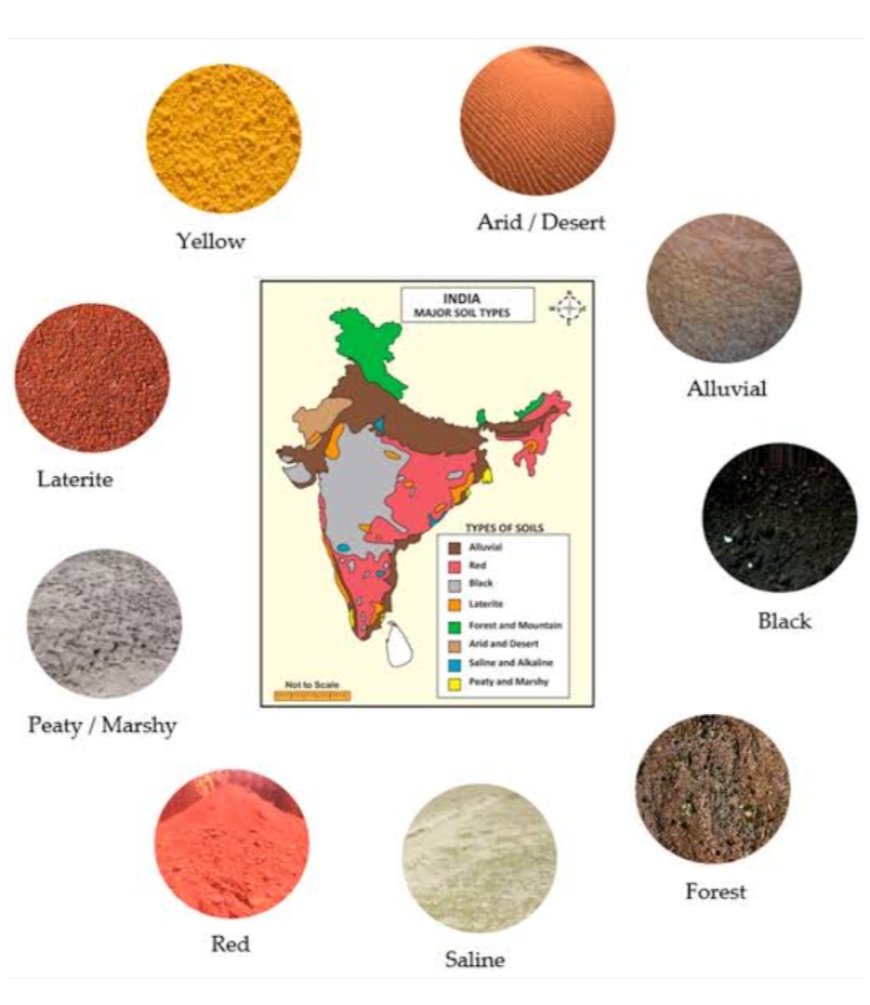
Types of Soil in India
India has a variety of soils due to its diverse climate and geography. The major types include:
1. Alluvial Soil
Found in northern plains
Very fertile and suitable for crops like wheat, rice, and sugarcane
Supports a large population
2. Black Soil (Regur Soil)
Found in Maharashtra, Gujarat, and Madhya Pradesh
Ideal for cotton cultivation
Retains moisture well
3. Red Soil
Found in southern and eastern regions
Suitable for crops like millets and pulses
4. Laterite Soil
Found in high rainfall areas
Less fertile but useful for plantation crops
5. Desert Soil
Found in arid regions like Rajasthan
Low fertility but can support crops with irrigation
Impact on Agriculture
The most important impact of soil in India is on agriculture.
Determines crop types and productivity
Influences farming methods
Supports food production
Fertile soils like alluvial soil help produce large quantities of food, making India one of the largest agricultural countries.
Impact on Economy
Soil contributes significantly to the Indian economy.
Agriculture is a major source of income
Provides employment to millions of farmers
Supports industries like textiles and food processing
Healthy soil leads to better crop yield, which boosts economic growth.
Impact on Biodiversity
Soil supports various forms of life, including plants, animals, and microorganisms.
Helps in plant growth
Maintains ecological balance
Supports forests and wildlife
Different soil types create diverse ecosystems across India.
Impact on Water Resources
Soil plays an important role in water management.
Helps in water absorption and storage
Recharges groundwater
Prevents floods and erosion
Healthy soil ensures proper water circulation in nature.
Impact on Environment
Soil affects environmental stability in many ways:
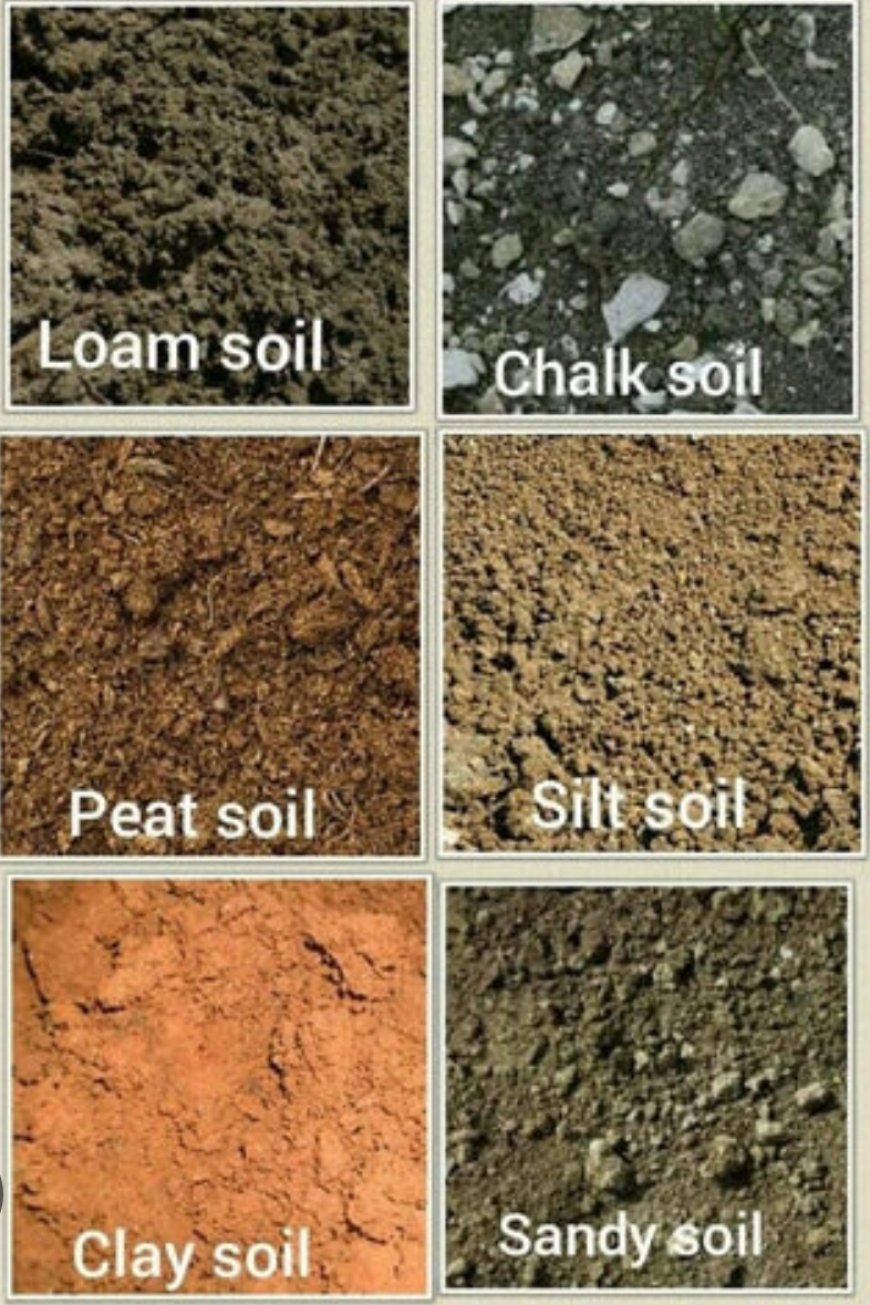
Prevents soil erosion
Reduces pollution
Maintains natural balance
Soil also plays a role in carbon storage, helping fight climate change.
Impact on Human Life
Soil is directly linked to human survival.
Provides food and nutrition
Supports housing and construction
Enables rural livelihoods
In India, a large population depends on soil for daily living.
Soil Degradation and Its Impact
Despite its importance, Indian soil faces several challenges:
1. Soil Erosion
Caused by wind, water, and deforestation
Leads to loss of fertile topsoil
2. Overuse of Chemicals
Fertilizers and pesticides reduce soil quality
3. Deforestation
Removes natural protection of soil
4. Urbanization
Converts fertile land into buildings
These problems reduce soil fertility and agricultural productivity.
Soil Conservation Methods
To reduce negative impacts, soil conservation is essential.
1. Afforestation
Planting trees to protect soil
2. Crop Rotation
Maintains soil fertility
3. Terrace Farming
Prevents soil erosion in hilly areas
4. Use of Organic Fertilizers
Improves soil health
Role of Government
The government of India has introduced programs to protect soil:
Soil Health Card Scheme
Watershed development projects
Promotion of organic farming
These efforts aim to ensure sustainable use of soil.
Modern Challenges and Solutions
With increasing population and industrialization, soil faces new challenges:
Pollution
Land degradation
Climate change
Solutions include:
Sustainable farming
Use of technology
Awareness programs
Importance of Soil Conservation
Protecting soil is essential for:
Food security
Environmental balance
Economic stability
Without proper soil management, future generations may face serious problems.
Conclusion
The impact of soil in India is immense. It supports agriculture, economy, environment, and human life. Different types of soil contribute to the diversity and richness of the country.
However, soil degradation is a major concern that needs immediate attention. Conservation and sustainable practices are necessary to protect this valuable resource.
In conclusion, soil is the foundation of life, and its proper management is essential for the growth and development of the nation.