India continues to face the paradox of food scarcity and hunger
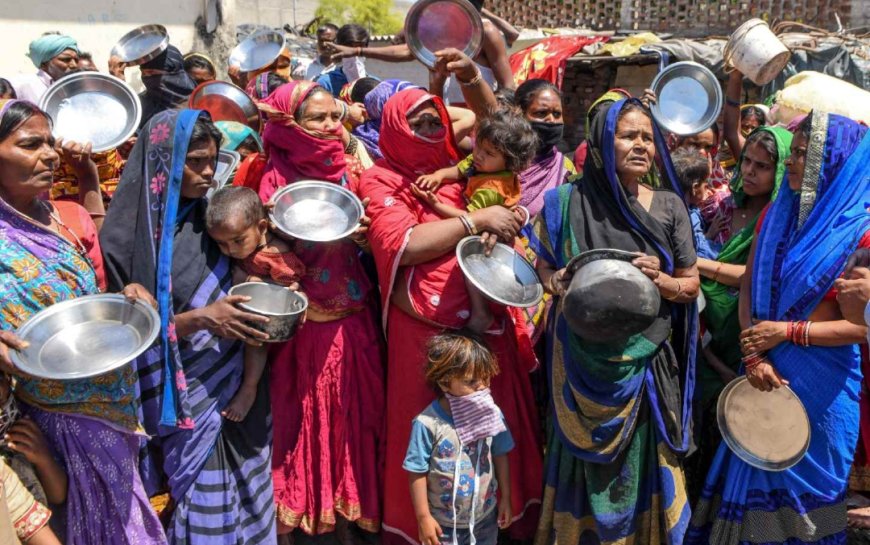
Food is one of the most basic human needs, essential for survival, health, and overall development. Despite being one of the largest agricultural producers in the world, India continues to face the paradox of food scarcity and hunger among a significant portion of its population. The issue of lack of food is not merely about production but involves complex factors such as poverty,
 Avya7800
1. Introduction
India has made remarkable progress in food production since the Green Revolution, which transformed the country from a food-deficient nation to a food-surplus one. However, despite this success, millions of people still struggle to access adequate food.
The problem of food scarcity in India is not always due to a lack of food availability but rather due to unequal access and distribution.
2. Meaning of Food Insecurity
Food insecurity refers to the condition where people do not have regular access to sufficient, safe, and nutritious food for normal growth and an active life.
Types of Food Insecurity:
Chronic: Long-term lack of food
Seasonal: Occurs during certain times of the year
Temporary: Caused by sudden crises like disasters
In India, all three types exist in different regions.
3. Causes of Lack of Food in India
(a) Poverty
Poverty is the biggest reason behind hunger.
Many families cannot afford nutritious food
Low income leads to poor diet quality
Even when food is available in markets, it remains inaccessible to the poor.
(b) Population Growth
India’s large and growing population increases demand for food.
Pressure on agricultural resources
Increased competition for food
This makes it difficult to ensure food security for everyone.
(c) Unequal Distribution of Food
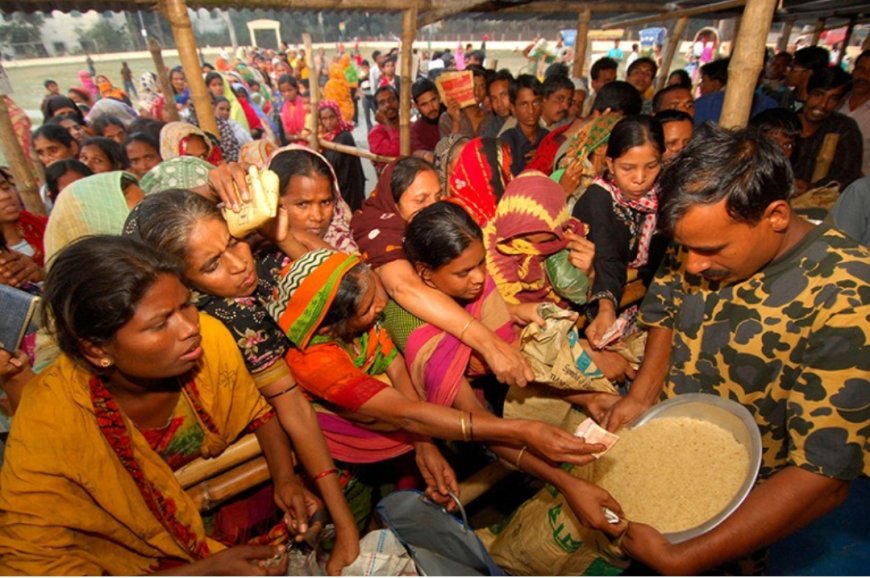
Food grains are often unevenly distributed.
Surplus in some states
Shortage in others
Weak supply chains and poor infrastructure worsen the problem.
(d) Agricultural Challenges
Farmers face multiple issues:
Small land holdings
Lack of modern technology
Dependence on monsoon
Climate-related problems like droughts and floods also affect crop production.
(e) Food Wastage
A significant amount of food is wasted every year.
Poor storage facilities
Inefficient transportation
Waste at weddings and events
Reducing food waste can help address hunger.
(f) Unemployment
Unemployment reduces purchasing power.
People cannot buy sufficient food
Leads to undernourishment
(g) Social Inequality
Caste, gender, and regional inequalities also affect food access.
Women and children often eat less
Marginalized communities suffer more
4. Impact of Food Shortage
(a) Malnutrition
Malnutrition is a major consequence of food scarcity.
Stunted growth in children
Weak immunity
Poor health
India has one of the highest rates of child malnutrition in the world.
(b) Health Problems
Lack of proper nutrition leads to diseases:
Anemia
Weak bones
Increased risk of infections
(c) Poverty Cycle
Hunger leads to low productivity, which in turn leads to poverty.
Poor health → low work capacity
Low income → inability to buy food
This creates a vicious cycle.
(d) Impact on Education
Hungry children cannot concentrate in school.
Poor academic performance
Higher dropout rates
5. Government Initiatives to Address Food Scarcity
The Government of India has introduced several schemes.
(a) Public Distribution System (PDS)
Provides subsidized food grains
Targets poor families
(b) National Food Security Act (NFSA)
Legal right to food for citizens
Covers a large population
(c) Mid-Day Meal Scheme
Provides free meals to school children
Improves nutrition and attendance
(d) Integrated Child Development Services (ICDS)
Focus on children and pregnant women
These programs aim to ensure food access to vulnerable groups.
6. Role of Agriculture in Food Security
Agriculture plays a crucial role in ensuring food availability.
Improvements Needed:
Use of modern technology
Irrigation facilities
Crop diversification
Sustainable farming practices can help increase production and reduce food shortages.
7. Role of Technology
Technology can help solve food scarcity.
Examples:
Digital supply chain management
Cold storage systems
Online food distribution platforms
Technology improves efficiency and reduces waste.
8. Role of NGOs and Society
Non-governmental organizations play an important role.
Activities:
Food distribution drives
Awareness campaigns
Support for poor communities
Community participation is essential for tackling hunger.
9. Food Security and Sustainable Development
Food security is linked to sustainable development.
Goals:
Zero hunger
Improved nutrition
Sustainable agriculture
India is working toward achieving these global goals.
10. Challenges in Implementation
Despite efforts, challenges remain:
Corruption in distribution systems
Leakage of food grains
Lack of awareness
Improving governance and transparency is necessary.
11. Measures to Overcome Food Scarcity
Key Solutions:
Strengthening PDS
Reducing food waste
Increasing employment opportunities
Promoting nutrition awareness
Supporting farmers
A multi-dimensional approach is required.
12. Role of Education and Awareness
Awareness about nutrition and food management is important.
Educating people about balanced diet
Encouraging responsible consumption
Education can help reduce hunger and improve health.
13. Urban vs Rural Food Issues
Rural Areas:
Lack of income
Dependence on agriculture
Urban Areas:
High cost of living
Slum population facing hunger
Both require different strategies.
14. Future Outlook
India has the potential to eliminate hunger.
Positive Signs:
Increasing food production
Government initiatives
Technological advancements
With proper planning, food scarcity can be reduced significantly.
Conclusion
The lack of food in India is a serious issue that affects millions of people. While the country produces enough food, the problem lies in access, distribution, and socio-economic inequalities.