Culture of India details --
 Avya7800
Introduction
Indian culture is one of the oldest and richest cultures in the world. It is known for its diversity, unity, traditions, languages, religions, and customs. The culture of India has developed over thousands of years and reflects a blend of various influences, including ancient civilizations, foreign invasions, and modern developments.
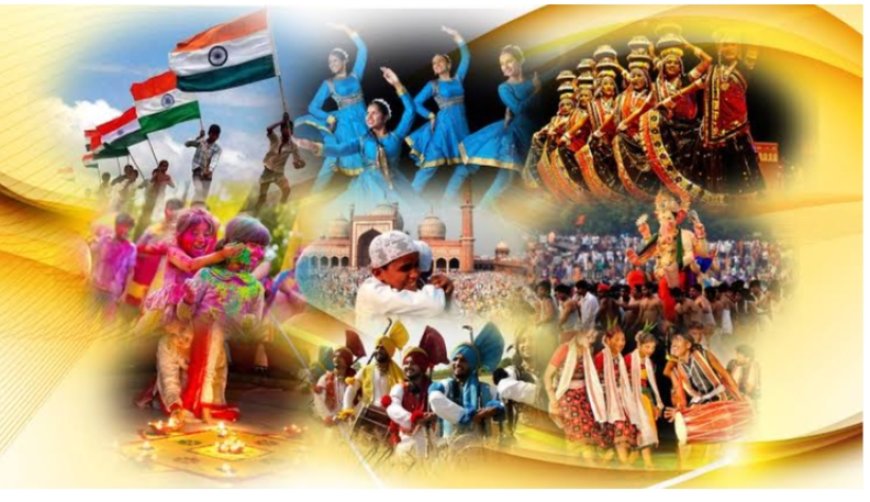
India is often described as a land of “Unity in Diversity,” where people from different backgrounds live together while maintaining their unique identities. Indian culture is deeply rooted in traditions, values, spirituality, and social harmony.
Historical Background of Indian Culture
The roots of Indian culture go back to ancient times, especially the Indus Valley Civilization, which existed around 2500 BCE. This civilization showed advanced urban planning, trade, and social organization.
Later, the Vedic period contributed significantly to religion, philosophy, and social structure. Over time, India was influenced by various rulers such as the Mauryas, Guptas, Mughals, and the British, each leaving their mark on culture.
Diversity in Indian Culture
India is a diverse country with:
Multiple religions
Hundreds of languages
Different customs and traditions
Varied food habits and clothing styles
Despite this diversity, there is a strong sense of unity among people.
Religion and Spirituality
Religion plays a central role in Indian culture. India is the birthplace of several major religions, including:
Hinduism
Buddhism
Jainism
Sikhism
In addition, religions like Islam and Christianity are also widely practiced.
Spirituality, meditation, yoga, and devotion are important aspects of Indian life.
Languages of India
India is a multilingual country with hundreds of languages and dialects.
Hindi is the most widely spoken language
English is used for official and educational purposes
Other major languages include Bengali, Tamil, Telugu, Marathi, and Gujarati
Language diversity reflects the richness of Indian culture.
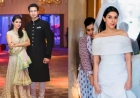
Traditional Clothing
Indian clothing varies by region, climate, and culture.
For Women
Saree
Salwar kameez
Lehenga
For Men
Kurta-pajama
Dhoti
Sherwani
These traditional dresses are worn during festivals, weddings, and cultural events.
Indian Food Culture
Indian cuisine is famous worldwide for its variety and flavors.
Popular Dishes
Biryani
Dosa
Butter Chicken
Food varies from region to region and includes vegetarian and non-vegetarian options. Spices play a key role in Indian cooking.
Festivals of India
India is known as the land of festivals. Festivals are celebrated with great joy and enthusiasm.
Major Festivals
Diwali
Holi
Eid al-Fitr
Christmas
These festivals promote unity, happiness, and cultural exchange.
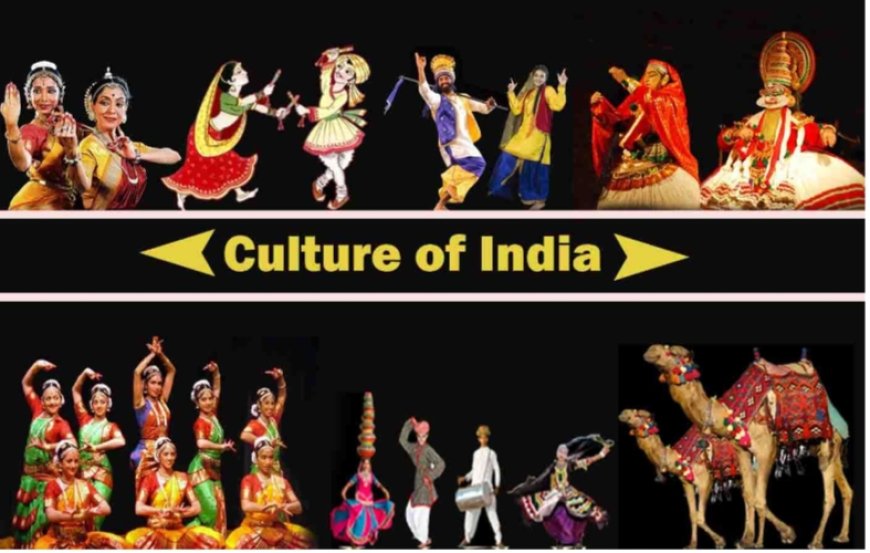
Art and Culture
Indian art has a long history and includes various forms:
Dance Forms
Bharatanatyam
Kathak
Odissi
Music
Classical music (Hindustani and Carnatic)
Folk music
Painting and Sculpture
Madhubani painting
Mughal art
Indian art reflects spirituality, mythology, and daily life.
Family System
The family is the foundation of Indian society.
Joint family system is common
Respect for elders is important
Strong family bonds and values
Family plays a key role in shaping individuals.
Social Values and Traditions
Indian culture emphasizes:
Respect and hospitality
Moral values and ethics
Truth and non-violence
The concept of “Atithi Devo Bhava” (Guest is God) shows Indian hospitality.
Education and Philosophy
India has a rich tradition of education and philosophy.
Ancient universities like Takshashila and Nalanda were famous worldwide.
Indian philosophy includes:
Yoga
Meditation
Ayurveda
These systems promote physical and mental well-being.
Marriage and Customs
Marriage is an important institution in Indian culture.
Arranged marriages are common
Weddings are celebrated with rituals and traditions
Customs vary by region and religion
Marriage is seen as a sacred bond.
Architecture and Heritage
India has a rich architectural heritage, including temples, forts, and monuments.
Famous examples include:
Taj Mahal
Qutub Minar
These structures reflect historical and cultural significance.
Modern Influence on Indian Culture
Modernization and globalization have influenced Indian culture.
Western clothing and lifestyle are becoming common
Technology is changing daily life
However, traditional values are still preserved
India successfully blends tradition with modernity.
Unity in Diversity
The most unique feature of Indian culture is unity in diversity.
People from different religions, languages, and traditions live together peacefully. This unity is the strength of India.
Global Influence of Indian Culture
Indian culture has influenced the world in many ways:
Yoga and meditation
Indian cuisine
Bollywood films
Spiritual teachings
People worldwide appreciate Indian traditions and values.
Interesting Facts
India has more than 2,000 ethnic groups
It celebrates hundreds of festivals
It is one of the oldest civilizations
Indian culture emphasizes peace and harmony
Conclusion
The culture of India is a beautiful blend of traditions, values, and diversity. From religion and festivals to food and art, every aspect of Indian culture reflects richness and depth.
Festivals like Diwali and Holi, traditional attire like Saree, and historical heritage like the Taj Mahal make Indian culture unique.
In conclusion, Indian culture is not only ancient but also dynamic, adapting to modern times while preserving its core values. It teaches us unity, respect, and harmony, making it one of the most vibrant cultures in the world.