Indian rivers play a vital role in shaping its civilization.
India is a land of diverse geography, culture, and natural resources, and rivers play a vital role in shaping its civilization. Since ancient times, rivers have been the lifelines of the country, supporting agriculture,
 Avya7800
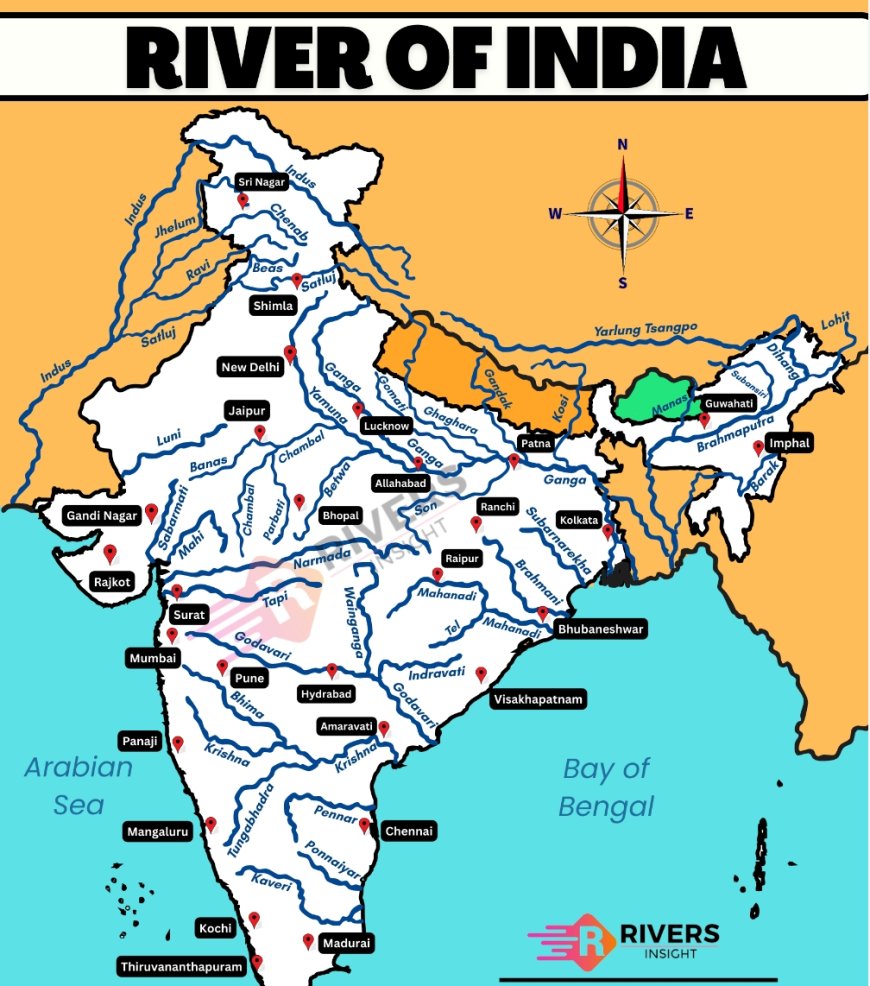
Introduction to Indian Rivers
India has a vast network of rivers that originate from the Himalayas, the Western Ghats, and the central highlands. These rivers flow across different regions, forming fertile plains and supporting millions of people.
Indian rivers can be broadly classified into two main types:
Himalayan Rivers
Peninsular Rivers
Each type has unique characteristics based on its origin, flow, and seasonal behavior.
Himalayan Rivers
Himalayan rivers are perennial, meaning they flow throughout the year. They are mainly fed by glaciers and rainfall. These rivers are long, carry large volumes of water, and form extensive river systems.
1. Ganga River
The Ganga is the most important and sacred river in India. It originates from the Gangotri Glacier in the Himalayas and flows through states like Uttarakhand, Uttar Pradesh, Bihar, and West Bengal before emptying into the Bay of Bengal.
The Ganga basin supports a large population and is crucial for agriculture. It is also considered holy, and millions of people visit its banks for religious rituals.
2. Yamuna River
The Yamuna is the largest tributary of the Ganga. It originates from the Yamunotri Glacier and flows through cities like Delhi and Agra.
It is historically and culturally significant, especially due to its association with ancient Indian traditions.
3. Brahmaputra River
The Brahmaputra originates in Tibet and enters India through Arunachal Pradesh. It flows through Assam and merges with the Ganga in Bangladesh.
This river is known for its powerful flow and frequent floods, which shape the landscape of northeastern India.
Peninsular Rivers
Peninsular rivers are mostly rain-fed and flow through the southern part of India. They are generally shorter and have a more stable course compared to Himalayan rivers.
1. Godavari River
The Godavari is the longest river in peninsular India. It originates in Maharashtra and flows through several states before reaching the Bay of Bengal.
It is often called the “Ganga of the South.”
2. Krishna River
The Krishna River originates in the Western Ghats and flows through Maharashtra, Karnataka, and Andhra Pradesh.
It plays a vital role in irrigation and agriculture in southern India.
3. Cauvery River
The Cauvery is one of the most important rivers in southern India. It originates in Karnataka and flows into Tamil Nadu.
It is known for its fertile delta and is often called the “lifeline of Tamil Nadu.”
4. Narmada River
The Narmada flows westward into the Arabian Sea. It originates in Madhya Pradesh and forms a natural boundary between northern and southern India.
5. Tapti River
The Tapti is another west-flowing river that runs parallel to the Narmada. It flows through central India and drains into the Arabian Sea.
Importance of Indian Rivers
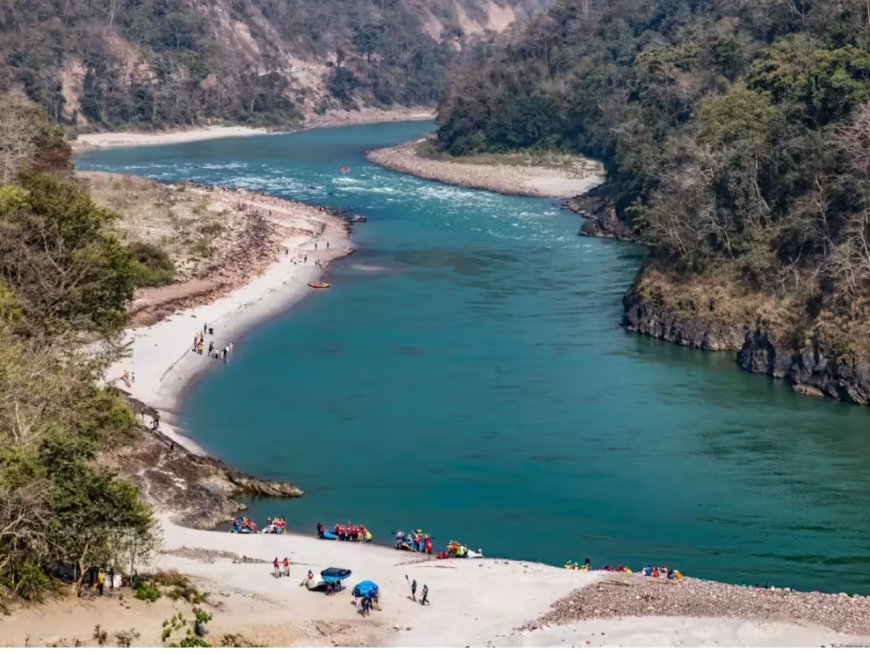
Indian rivers are essential for the country’s development and survival. Their importance can be understood in various ways:
1. Agriculture
Rivers provide water for irrigation, which is crucial for farming. Many crops depend on river water.
2. Drinking Water
Rivers are a primary source of drinking water for millions of people.
3. Transportation
In ancient times, rivers were important for trade and transport.
4. Hydroelectric Power
Rivers are used to generate electricity through dams and hydroelectric projects.
5. Cultural and Religious Significance
Rivers like the Ganga River are considered sacred. Festivals, rituals, and traditions are closely linked to rivers.
6. Biodiversity
Rivers support a wide range of plants and animals, contributing to ecological balance.
River Systems in India
Indian rivers form large river systems:
The Ganga River System
The Brahmaputra River System
The Indus River System
The Peninsular River System
These systems include main rivers and their tributaries, forming extensive networks.
Challenges Facing Indian Rivers
Despite their importance, Indian rivers face several serious challenges:
1. Pollution
Industrial waste, sewage, and plastic pollution have severely affected river water quality.
2. Overuse of Water
Excessive use of river water for agriculture and industry leads to water scarcity.
3. Deforestation
Cutting trees reduces rainfall and affects river flow.
4. Climate Change
Changing weather patterns impact river levels and increase floods and droughts.
5. Dam Construction
While dams provide benefits, they also disrupt natural river flow and ecosystems.
Conservation of Rivers
Protecting rivers is essential for sustainable development. Some important measures include:
1. Reducing Pollution
Proper waste management and treatment of industrial discharge can help keep rivers clean.
2. Water Conservation
Using water efficiently in agriculture and daily life reduces pressure on rivers.
3. Afforestation
Planting trees helps maintain the water cycle and improves rainfall.
4. Government Initiatives
Programs like Namami Gange Programme aim to clean and protect rivers.
5. Public Awareness
Educating people about the importance of rivers encourages responsible behavior.
Role of Rivers in Indian Civilization
Indian civilization developed along river banks. Ancient cities were built near rivers because of water availability and fertile land. Rivers influenced culture, trade, and settlement patterns.
Even today, many major cities in India are located along rivers, showing their continued importance.
Conclusion
Indian rivers are the backbone of the country’s ecology, economy, and culture. From the mighty Ganga River to the vital Godavari River, each river plays a unique role in supporting life.
However, increasing pollution, climate change, and human activities threaten their existence. It is the responsibility of both the government and citizens to protect and conserve these precious resources.