The Make in India initiative is one of the most significant
Introduced by the Government of India in 2014, this initiative aims to encourage domestic and international companies to manufacture their products in India, boost employment, and strengthen the country’s economy.
 Avya7800
1. Introduction
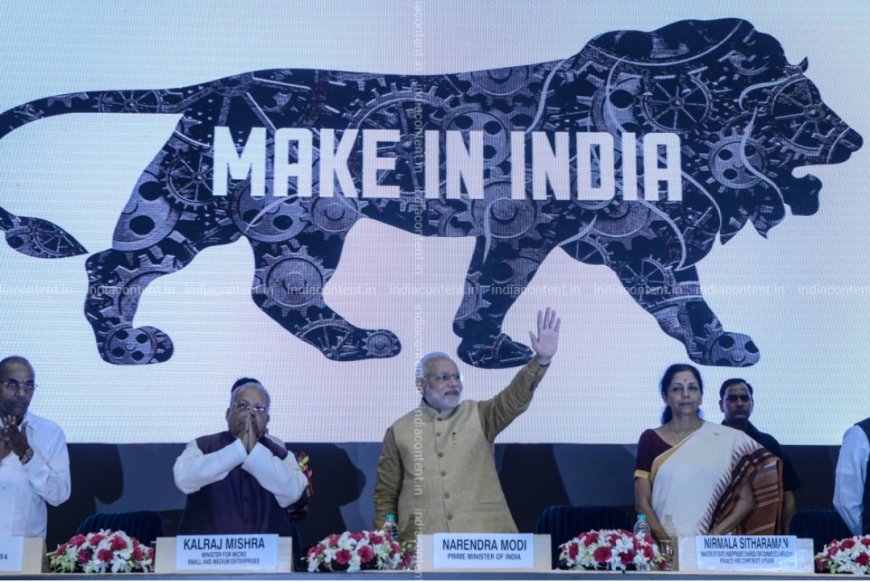
The Make in India program was launched on 25 September 2014 by Prime Minister Narendra Modi. The initiative was designed to increase the manufacturing sector’s contribution to GDP and create millions of job opportunities.
India, traditionally known for its agriculture and services sector, aimed to expand its manufacturing capabilities through this program.
2. Objectives of Make in India
The primary objectives of the initiative are:
Boost manufacturing growth
Create employment opportunities
Attract foreign direct investment (FDI)
Enhance skill development
Promote innovation and technology
The program seeks to make India a preferred destination for global investors.
3. Key Sectors Under Make in India
Make in India focuses on 25 key sectors, including:
Automobiles
Electronics
Pharmaceuticals
Textiles
Defense manufacturing
Renewable energy
These sectors have high potential for growth and job creation.
4. Importance of Manufacturing in India
Manufacturing is crucial for economic development.
Benefits:
Generates employment
Increases exports
Reduces dependence on imports
Strengthens the economy
A strong manufacturing sector ensures sustainable growth.
5. Policy Reforms and Government Support
To support Make in India, the government has introduced several reforms:
Key Measures:
Simplification of business procedures
Reduction in corporate tax rates
Liberalization of FDI policies
Ease of Doing Business improvements
These reforms make India more attractive for investors.
6. Role of Foreign Direct Investment (FDI)
FDI plays a vital role in Make in India.
Benefits:
Brings capital investment
Transfers technology
Creates jobs
India has seen increased FDI inflows in sectors like manufacturing and technology.
7. Infrastructure Development
Infrastructure is essential for manufacturing growth.
Key Developments:
Industrial corridors
Logistics parks
Smart cities
Initiatives like Bharatmala and Sagarmala improve connectivity and support industries.
8. Skill Development
A skilled workforce is necessary for manufacturing.
Key Initiative:
Skill India Mission
Focus Areas:
Technical training
Vocational education
Industry-relevant skills
This helps in creating a productive workforce.
9. Digital Transformation and Industry 4.0
Technology is transforming manufacturing.
Key Technologies:
Automation
Artificial Intelligence
Robotics
Internet of Things (IoT)
These technologies improve efficiency and productivity.
10. Impact on Employment
Make in India has created employment opportunities.
Key Areas:
Manufacturing jobs
MSMEs
Startup ecosystem
It helps reduce unemployment and poverty.
11. Growth of MSMEs
Micro, Small, and Medium Enterprises (MSMEs) are crucial.
Benefits:
Promote entrepreneurship
Generate employment
Support local industries
Make in India encourages MSME growth.
12. Export Promotion
The initiative boosts exports.
Advantages:
Increased foreign exchange earnings
Improved trade balance
India is becoming a global exporter in various sectors.
13. Role of Startups
Startups play a significant role.
Contributions:
Innovation
New technologies
Job creation
Startup India complements Make in India.
14. Challenges Faced
Despite progress, challenges remain:
Issues:
Infrastructure gaps
Skill shortages
Bureaucratic hurdles
Global competition
Addressing these challenges is essential for success.
15. Environmental Concerns
Industrial growth can impact the environment.
Focus Areas:
Sustainable manufacturing
Pollution control
Renewable energy
Balancing development and environment is important.
16. Global Position of India
Make in India has improved India’s global standing.
Achievements:
Increased investor confidence
Improved Ease of Doing Business ranking
Stronger global partnerships
India is emerging as a manufacturing hub.
17. Success Stories
Several companies have invested in India:
Automobile companies setting up plants
Electronics manufacturing growth
Mobile phone production expansion
India is becoming a center for global production.
18. Future Prospects
The future of Make in India is promising.
Key Trends:
Expansion of manufacturing sectors
Adoption of advanced technologies
Increased exports
India aims to become a global manufacturing leader.
Conclusion
The Make in India initiative is a transformative program that aims to strengthen the country’s manufacturing sector and economic growth. By promoting investment, innovation, and skill development, it has created new opportunities for businesses and individuals.
While challenges remain, continuous reforms and government efforts are driving progress. The initiative is not just about manufacturing—it is about building a self-reliant and prosperous nation.
In conclusion, Make in India is a key pillar of India’s economic development strategy, paving the way for a stronger and more competitive future.