Traditions of India –
India is a land of rich and diverse traditions that have been followed for thousands of years. The traditions of India are deeply rooted in its history, religion, culture, and social values. These traditions vary from region to region but are united by common principles like respect, harmony, and spirituality.
 Avya7800
1. Respect for Elders
One of the most important Indian traditions is showing respect to elders. Younger people often touch the feet of elders as a sign of respect and seek their blessings. Elders are considered wise and experienced, and their guidance is highly valued.
2. Joint Family System
Traditionally, many Indian families live together in a joint family system, where multiple generations stay under one roof. This system promotes:
Strong family bonds
Sharing of responsibilities
Emotional support
3. Festivals and Celebrations
India is known for its vibrant festivals that reflect its traditions and cultural diversity.
Popular Festivals
Diwali – Celebrates the victory of light over darkness
Holi – Celebrates joy and the arrival of spring
Eid al-Fitr – Celebrated by Muslims after fasting
Christmas – Celebrates the birth of Jesus Christ
Festivals bring people together and spread happiness and unity.
4. Traditional Clothing
Indian traditional attire reflects culture and identity.
Women wear Saree, salwar kameez, or lehenga
Men wear kurta-pajama, dhoti, or sherwani
These clothes are commonly worn during festivals, weddings, and special occasions.
5. Food Traditions
Indian food is an important part of its traditions.
Meals are often eaten with hands in many regions
Vegetarian food is common due to religious beliefs
Spices are widely used
Popular dishes include:
Biryani
Dosa
6. Religious Practices
Religion plays a major role in Indian traditions. People follow daily rituals such as:
Prayer (puja)
Visiting temples, mosques, churches, and gurudwaras
Fasting on special days
India is the birthplace of religions like Hinduism, Buddhism, Jainism, and Sikhism.
7. Marriage Traditions
Marriage in India is considered a sacred bond.
Arranged marriages are common
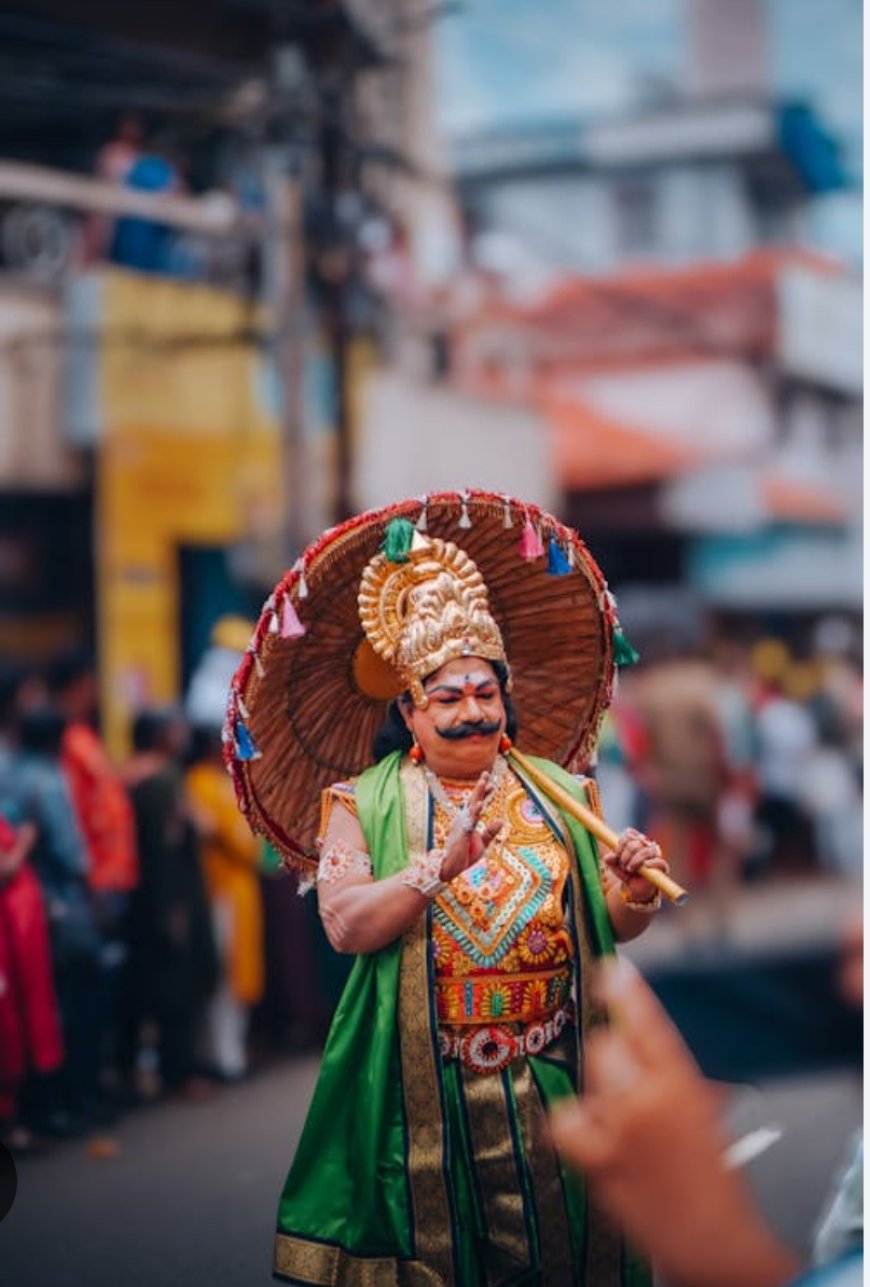
Weddings include many rituals and ceremonies
Celebrations last for several days
Each region has its own unique marriage customs.
8. Greeting Traditions
The traditional Indian greeting is “Namaste”, where people join their hands and bow slightly. It shows respect and humility.
9. Art and Cultural Practices
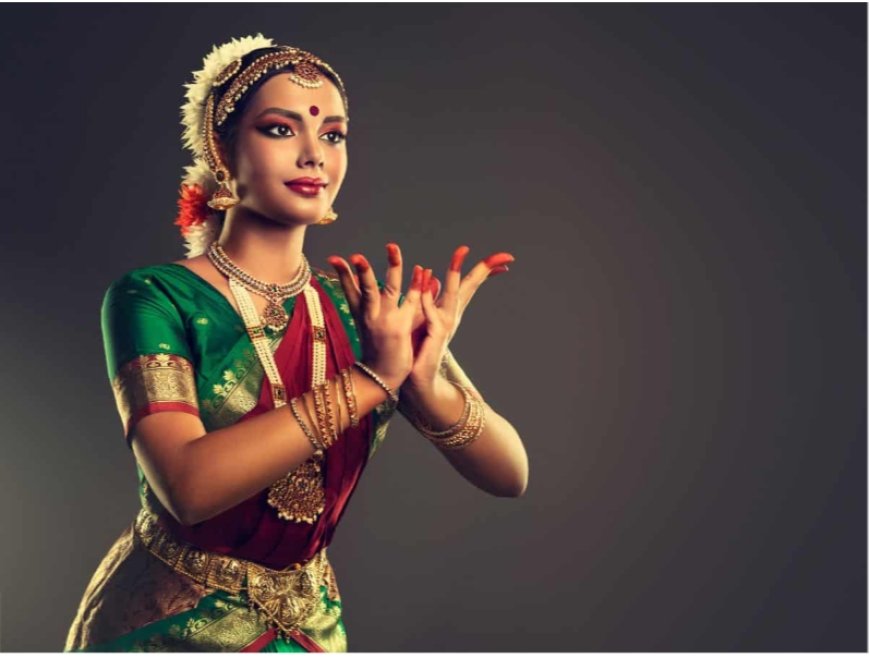
India has a rich tradition of art, music, and dance.
Classical dances like Bharatanatyam and Kathak
Traditional music and folk songs
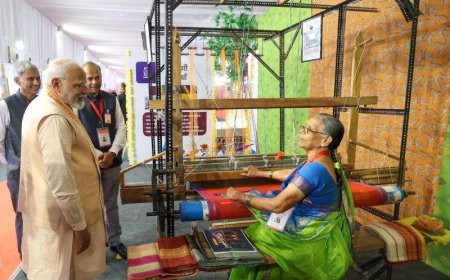
Handicrafts and paintings
These art forms reflect Indian culture and heritage.
10. Values and Ethics
Indian traditions emphasize:
Truth and honesty
Non-violence
Respect for all
Hospitality (“Atithi Devo Bhava”)
Conclusion
The traditions of India are a beautiful reflection of its cultural richness and diversity. From festivals and food to family values and religious practices, these traditions shape the lives of millions of people.
Even in modern times, Indians continue to follow and respect their traditions, keeping their cultural heritage alive for future generations.