
An Indian vegetable mandi is a traditional marketplace
India, being an agrarian country, depends heavily on agricultural markets like mandis. They are the backbone of food distribution and supply chains, ensuring that fresh produce reaches millions of households daily
 Avya7800
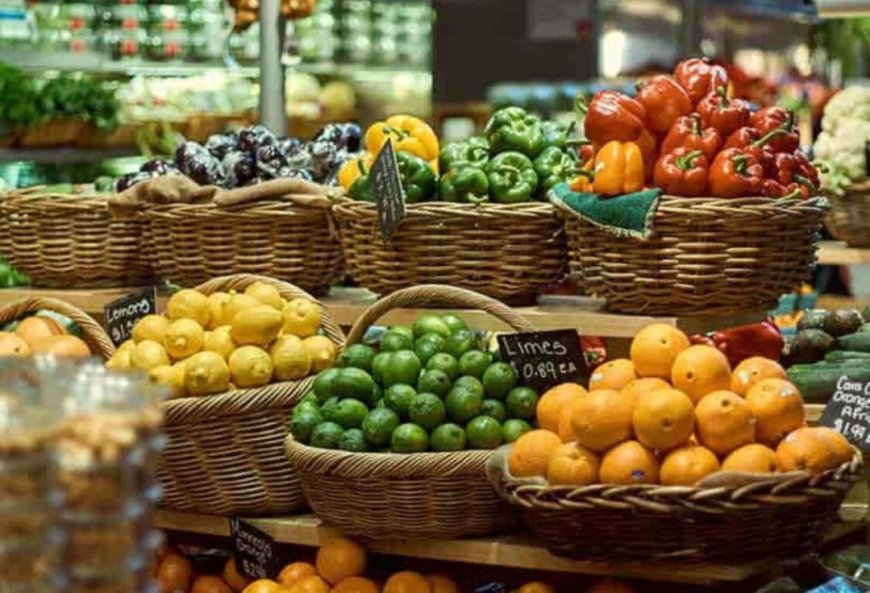
1. Meaning and Importance of Vegetable Mandi
A vegetable mandi is a place where:
Farmers bring freshly harvested produce
Traders and wholesalers purchase in bulk
Retailers buy goods for local shops
Consumers sometimes buy directly
Mandis serve as a link between production and consumption. Without them, farmers would struggle to sell their crops, and consumers would face shortages.
The mandi system is regulated in many states by organizations such as Agricultural Produce Market Committee (APMC), which ensures fair trade practices.
2. Structure of Indian Vegetable Mandis
Indian vegetable mandis are generally divided into different sections:
(a) Wholesale Section
This is where large quantities of vegetables are sold. Buyers include:
Retail shopkeepers
Restaurant owners
Street vendors
(b) Retail Section
Some mandis have areas where consumers can buy directly at lower prices.
(c) Auction Area
In many mandis, produce is sold through open auctions. Traders bid for the goods, and the highest bidder gets the produce.
3. Types of Vegetable Mandis
(a) Rural Mandis
Located in villages or small towns, where farmers directly bring their produce.
(b) Urban Mandis
Located in cities, supplying vegetables to urban populations.
(c) Wholesale Mandis
Large-scale markets dealing in bulk quantities.
(d) Retail Mandis
Smaller markets where end consumers purchase vegetables.
4. Famous Vegetable Mandis in India
India has several well-known vegetable mandis that handle huge volumes of produce daily:
Azadpur Mandi – Asia’s largest wholesale fruit and vegetable market
Vashi APMC Market – A major hub for fruits and vegetables in Maharashtra
Koyambedu Market – One of the largest markets in South India
These mandis are crucial for maintaining the supply chain across regions.
5. Role of Farmers in Mandis
Farmers are the primary suppliers in mandis. They:
Harvest crops
Transport produce to markets
Sell directly or through agents
However, farmers often face challenges such as:
Price fluctuations
Dependence on middlemen
Transportation costs
Despite these issues, mandis remain a major source of income for farmers.
6. Role of Middlemen (Commission Agents)
Middlemen or “arthiyas” play a key role:
They connect farmers with buyers
Help in auctions
Provide credit to farmers
While they facilitate trade, they sometimes take a significant commission, reducing farmers’ profits.
7. Pricing Mechanism
Prices in mandis are determined by:
Demand and supply
Quality of produce
Seasonal factors
The Indian government also sets Minimum Support Prices (MSP) for some crops, though vegetables are usually sold at market rates.
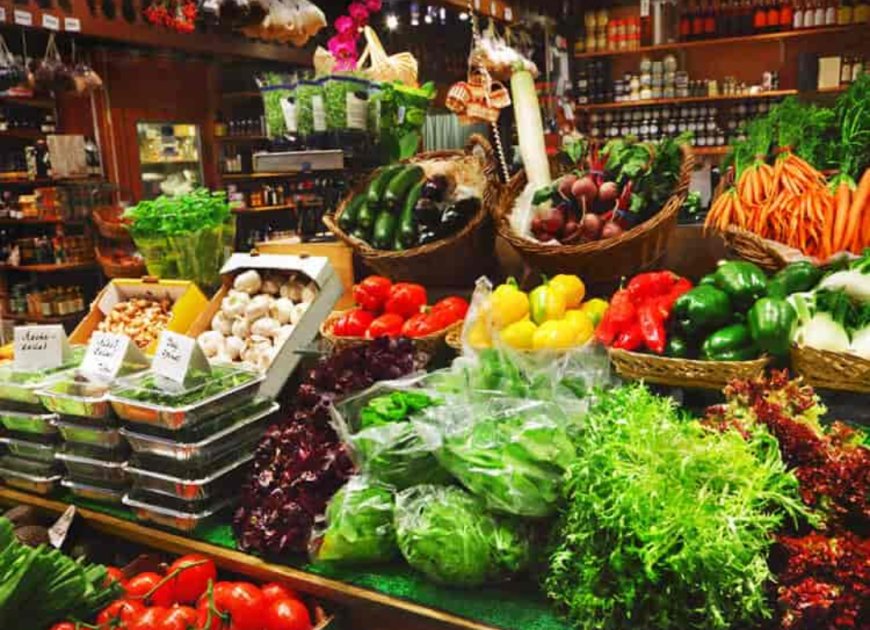
8. Daily Operations of a Mandi
A typical day in a vegetable mandi starts early morning:
Farmers arrive with produce
Goods are unloaded and sorted
Auctions or direct sales begin
Retailers purchase and distribute
The environment is lively, with bargaining, shouting, and fast transactions.
9. Supply Chain in Vegetable Mandis
The journey of vegetables:
Farm
Mandi
Wholesaler
Retailer
Consumer
This chain ensures availability but also adds cost at each stage.
10. Seasonal Impact
Vegetable availability and prices depend on seasons:
Summer: tomatoes, cucumbers
Winter: carrots, peas
Monsoon: leafy vegetables
Seasonal variations affect both supply and pricing.
11. Hygiene and Storage
One of the challenges in mandis is maintaining hygiene:
Open spaces
Lack of proper storage
Exposure to dust and waste
Modern mandis are improving with:
Cold storage facilities
Better sanitation
Organized layouts
12. Government Role and Reforms
The government regulates mandis through Agricultural Produce Market Committee laws.
Recent reforms include:
Digital trading platforms
Direct farmer-to-buyer systems
Improved infrastructure
The e-NAM (National Agriculture Market) is an online platform that connects mandis across India.
13. Advantages of Vegetable Mandis
Easy access for farmers to sell produce
Availability of fresh vegetables
Price discovery through auctions
Employment generation
Mandis support millions of livelihoods.
14. Challenges Faced by Mandis
Despite their importance, mandis face several issues:
(a) Price Fluctuation
Vegetable prices change rapidly, affecting farmers and consumers.
(b) Middlemen Exploitation
Farmers sometimes receive lower prices due to intermediaries.
(c) Lack of Infrastructure
Poor roads, storage, and facilities impact efficiency.
(d) Wastage
A significant amount of vegetables is wasted due to poor storage.
15. Modern Changes in Vegetable Markets
With modernization, the traditional mandi system is evolving:
(a) Supermarkets
Urban consumers increasingly buy from supermarkets.
(b) Online Grocery Platforms
Apps like BigBasket and Blinkit provide home delivery.
(c) Direct Farming Models
Farmers sell directly to consumers, reducing intermediaries.
16. Importance in Indian Economy
Vegetable mandis contribute significantly to:
Agricultural income
Food security
Employment
Rural development
They are an essential part of India’s economic structure.
17. Cultural and Social Aspects
Mandis are not just markets—they are social spaces:
Farmers interact and share knowledge
Traders build relationships
Communities connect
They reflect the diversity and vibrancy of Indian life.
18. Future of Indian Vegetable Mandis
The future lies in:
Digitalization
Better infrastructure
Transparent pricing
Reduced middlemen
Combining traditional systems with modern technology can improve efficiency and fairness.
Conclusion
Indian vegetable mandis are the lifeline of the country’s food supply system. They connect farmers to consumers, ensure the availability of fresh produce, and support millions of livelihoods. Despite facing challenges like price fluctuations, infrastructure issues, and middlemen involvement, mandis continue to play a vital role in India’s economy.