🇮🇳 British Colonial Rule in India
The history of British colonial rule in India is one of the most significant and transformative periods in the country’s past. Spanning nearly two centuries, British rule reshaped India’s political structure, economy, society, and culture. While it introduced modern institutions and infrastructure, it also led to exploitation, economic drain, and social disruption.
 Avya7800
1. Introduction
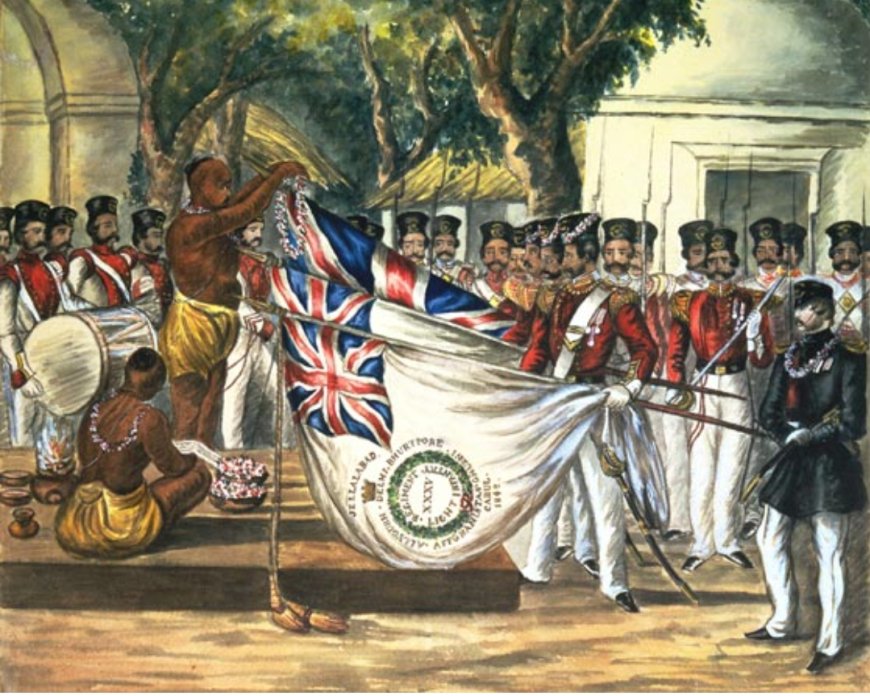
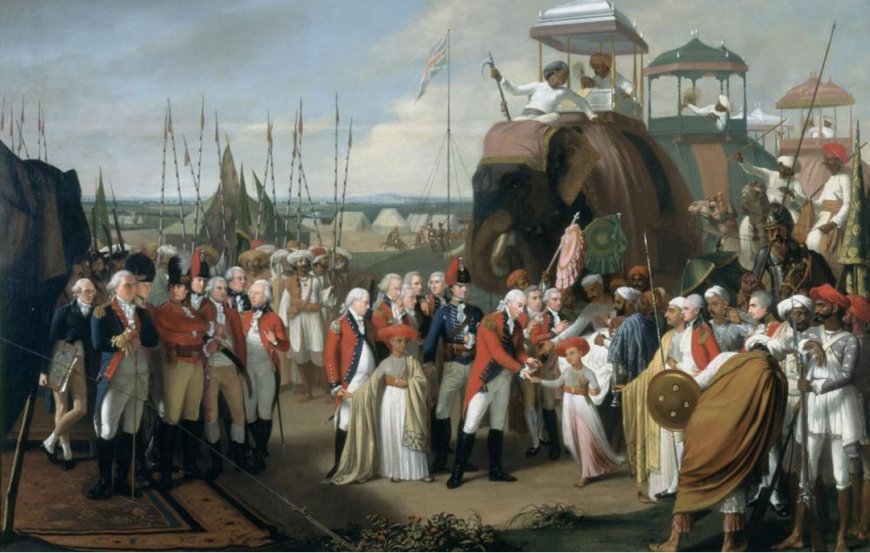
British colonial rule in India began with the arrival of the East India Company in the early 17th century. Initially, the company came for trade but gradually expanded its political control over large parts of India.
The turning point came after the Battle of Plassey, where the British defeated the Nawab of Bengal, marking the beginning of British political dominance in India.
2. Establishment of British Rule
After the Battle of Plassey (1757) and the Battle of Buxar, the British gained control over Bengal, Bihar, and Odisha.
Key Developments:
Grant of Diwani rights (revenue collection)
Expansion of British territories
Decline of Mughal authority
The East India Company became the most powerful political force in India.
3. Expansion of British Empire
The British expanded their control through:
(a) Wars and Conquests
Anglo-Mysore Wars
Anglo-Maratha Wars
Anglo-Sikh Wars
(b) Policies:
Doctrine of Lapse
Subsidiary Alliance
These strategies helped the British annex Indian states and strengthen their empire.
4. Administration under British Rule
The British established a centralized administrative system.
Features:
Governor-General as the head
Civil services (ICS)
Legal and judicial systems
After the Revolt of 1857, the British Crown took direct control from the East India Company.
5. Economic Impact
The British economic policies had a major impact on India.
Negative Effects:
Drain of wealth to Britain
Destruction of traditional industries
Heavy taxation on farmers
Example:
India’s textile industry declined due to British imports.
6. Agriculture under British Rule
Agriculture was heavily exploited.
Land Revenue Systems:
Zamindari System
Ryotwari System
Mahalwari System
Consequences:
High taxes
Farmer exploitation
Frequent famines
7. Industrial Impact
British policies hindered Indian industrial growth.
India became a supplier of raw materials
British goods flooded Indian markets
Lack of industrial development
This led to economic backwardness.
8. Social and Cultural Changes
British rule brought both positive and negative changes.
Positive:
Introduction of Western education
Spread of modern ideas
Negative:
Cultural disruption
Loss of traditional values
9. Education System
The British introduced modern education.
Key Development:
English education system
Influential Person:
Lord Macaulay
Education created a new class of educated Indians who later led the freedom movement.
10. Legal and Administrative Reforms
The British introduced:
Rule of law
Codified legal system
Modern judiciary
These systems continue to influence India today.
11. Infrastructure Development
The British developed infrastructure mainly for their benefit.
Major Projects:
Railways
Telegraph
Postal system
While these improved connectivity, they primarily served British economic interests.
12. Famines and Poverty
British policies led to severe famines.
Examples:
Bengal Famine
Deccan Famine
Millions of people died due to hunger and lack of government support.
13. Rise of Nationalism
British rule led to the rise of Indian nationalism.
Key Factors:
Economic exploitation
Social injustice
Western education
Organization:
Indian National Congress
Nationalism united Indians against British rule.
14. Freedom Struggle
The struggle for independence gained momentum.
Key Leaders:
Mahatma Gandhi
Subhas Chandra Bose
Jawaharlal Nehru
Movements:
Non-Cooperation Movement
Civil Disobedience Movement
Quit India Movement
15. Role of Women in Freedom Struggle
Women also played an important role.
Leaders:
Rani Lakshmibai
Sarojini Naidu
Their contributions strengthened the movement.
16. End of British Rule
British rule ended in 1947.
Key Event:
Indian Independence
India gained freedom after a long struggle.
17. Partition of India
Independence was accompanied by partition.
Key Event:
Partition of India
Consequences:
Division into India and Pakistan
Large-scale migration
Communal violence
18. Legacy of British Rule
British rule left a lasting impact.
Positive:
Modern education system
Infrastructure
Legal system
Negative:
Economic exploitation
Poverty and inequality
Social divisions
Conclusion
British colonial rule in India was a complex period marked by both development and exploitation. While the British introduced modern systems and infrastructure, their primary aim was to benefit their own country, often at the cost of Indian resources and people.
The struggle against colonial rule united Indians and led to the emergence of strong national identity and leadership. The legacy of British rule continues to influence India’s political, economic, and social systems.