Women’s Reservation Bill Sparks Political Debate
India debates women’s reservation and delimitation bills as political tensions rise in Parliament.
 aaravi_editor
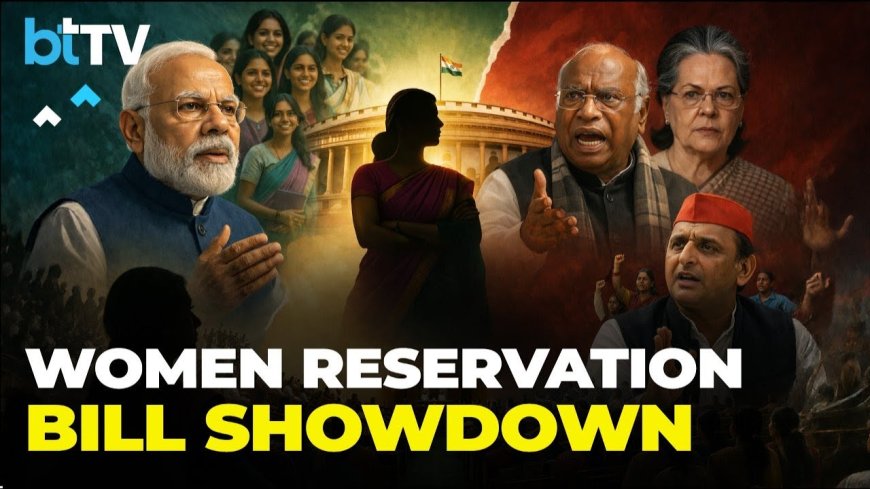
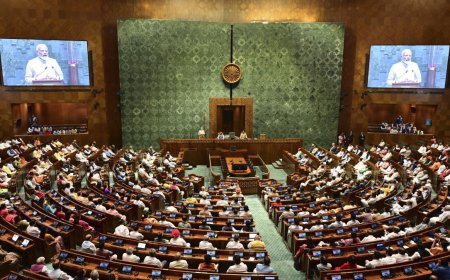
The Indian Parliament is currently witnessing intense discussions over the Women’s Reservation Bill and the Delimitation Bill. The government aims to reserve 33% of seats for women in the Lok Sabha and state assemblies, while also redrawing constituency boundaries to reflect population changes.
Prime Minister Narendra Modi has emphasized that increasing women’s participation will strengthen democracy and bring new perspectives to governance. However, opposition leaders have raised concerns that the delimitation process may alter the electoral balance and disadvantage certain communities.
Critics argue that while women’s reservation is widely supported, its delayed implementation and linkage to delimitation raise questions. The issue has become a major national political topic, reflecting broader debates on representation, fairness, and electoral reforms.
However, the bill is closely linked with the process of delimitation, which involves redrawing the boundaries of electoral constituencies based on population changes. This connection has become a major point of contention among opposition parties. Critics argue that delaying the implementation of women’s reservation until after delimitation could postpone its benefits and create political uncertainty.
Opposition leaders have also raised concerns about how the new constituency boundaries might affect regional representation and political balance. Some fear that certain states or communities could lose influence, leading to unequal representation. There are also demands for sub-quotas within the women’s reservation to ensure representation for marginalized groups such as OBCs and minorities.
Despite the disagreements, the bill has generated significant public interest and discussion. Many citizens, activists, and organizations have expressed strong support for increasing women’s participation in governance. The ongoing debate reflects broader questions about fairness, equality, and the future of India’s democratic system, making the Women’s Reservation Bill one of the most important political issues in the country today.