Parliament Reviews India–US Trade Pact, EPFO Reforms, and Highway Construction Slowdown
Parliament Reviews India–US Trade Pact, EPFO Reforms, and Highway Construction Slowdown
 Madhavisanvi
Parliament Reviews India–US Trade Pact, EPFO Reforms, and Highway Construction Slowdown
Introduction
India's Parliament witnessed significant discussions on economic reforms, infrastructure development, labour welfare, and international trade during the latest parliamentary proceedings. A parliamentary committee emphasized the need to accelerate negotiations on the proposed India–United States Bilateral Trade Agreement (BTA), describing it as a strategic opportunity to strengthen economic ties between the world's two largest democracies.
The committee also reviewed issues related to the Employees' Provident Fund Organisation (EPFO), recommending measures to improve services for employees and pensioners. At the same time, Members of Parliament expressed concern over the slowdown in highway construction projects, highlighting the need to maintain the pace of infrastructure development to support India's economic growth.
The discussions reflected Parliament's focus on balancing trade expansion, social security reforms, and infrastructure investment as key pillars of India's long-term development strategy.
India–US Bilateral Trade Agreement (BTA)
One of the major topics discussed was the proposed Bilateral Trade Agreement between India and the United States.
The parliamentary panel urged officials to speed up negotiations so that businesses in both countries can benefit from improved market access and reduced trade barriers.
The proposed agreement aims to:
-
Increase bilateral trade.
-
Promote investment.
-
Reduce tariffs on selected products.
-
Improve market access for exporters.
-
Strengthen supply chains.
-
Enhance cooperation in technology and digital trade.
-
Encourage manufacturing partnerships.
The United States remains one of India's largest trading partners, making the agreement strategically important for both economies.
Importance of the Trade Agreement
Experts believe the agreement could generate substantial economic benefits.
Expected advantages include:
Higher Exports
Indian exporters may gain easier access to the American market for products such as:
-
Pharmaceuticals
-
Engineering goods
-
Textiles
-
Gems and jewellery
-
Agricultural products
-
Information technology services
Increased Investment
A stronger trade partnership could encourage more American companies to invest in India's manufacturing, renewable energy, digital economy, and infrastructure sectors.
Job Creation
Greater investment and export opportunities could create employment across manufacturing, logistics, services, and technology industries.
Supply Chain Diversification
The agreement could strengthen resilient supply chains and reduce dependence on single-country sourcing.
Challenges in Negotiations
Despite positive expectations, several issues continue to require negotiation.
These include:
-
Tariff reductions.
-
Agricultural market access.
-
Digital trade regulations.
-
Intellectual property protection.
-
Labour standards.
-
Environmental commitments.
-
Rules of origin.
Both countries continue discussions aimed at finding mutually beneficial solutions.
EPFO-Related Relief Measures
Another important issue before the parliamentary committee was improving services provided by the Employees' Provident Fund Organisation (EPFO).
The committee discussed measures to:
-
Simplify claim settlements.
-
Reduce processing delays.
-
Improve pension services.
-
Strengthen online platforms.
-
Resolve member grievances faster.
-
Increase transparency.
-
Improve digital accessibility.
EPFO manages retirement savings for millions of salaried employees across India, making service efficiency an important public concern.
Importance of EPFO Reforms
The Employees' Provident Fund serves as one of India's largest social security systems.
Improvements in EPFO services could help:
-
Retired employees.
-
Private-sector workers.
-
Pension beneficiaries.
-
Employers.
-
Families dependent on provident fund savings.
Digitisation has already reduced paperwork, but Parliament emphasized further modernization.
Highway Construction Slowdown
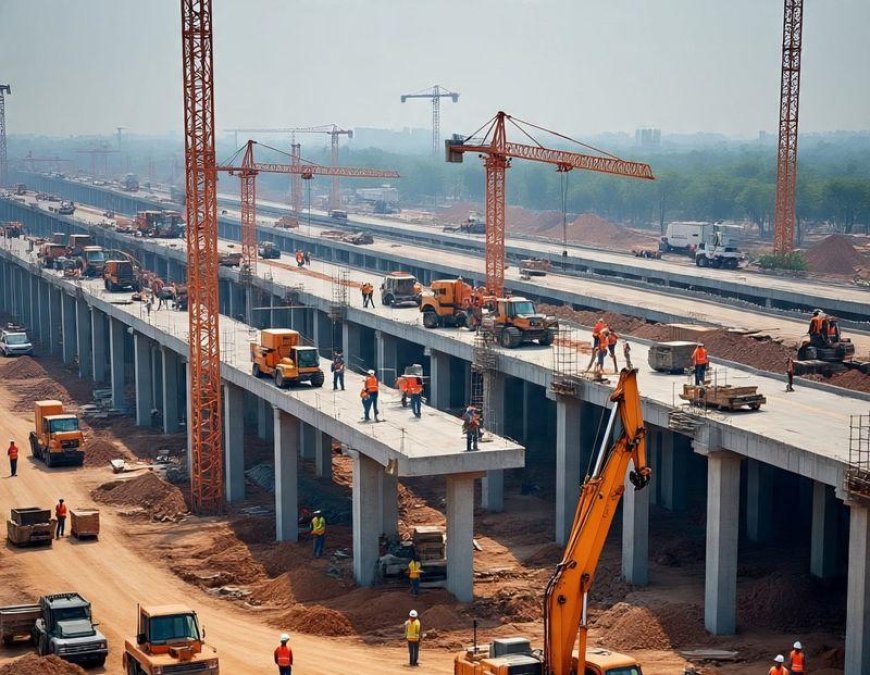
Members of Parliament also reviewed the pace of national highway construction.
India has invested heavily in highway infrastructure over the past decade through programmes such as Bharatmala and various expressway projects.
However, concerns were raised regarding slowing construction progress.
Possible reasons include:
-
Land acquisition delays.
-
Environmental clearances.
-
Rising construction costs.
-
Contractor-related issues.
-
Weather disruptions.
-
Financing challenges.
Economic Importance of Highways
Road infrastructure plays a vital role in India's economy.
Benefits include:
-
Faster transportation.
-
Lower logistics costs.
-
Improved connectivity.
-
Rural development.
-
Tourism growth.
-
Industrial expansion.
-
Better emergency services.
Efficient highways improve movement of goods, reduce travel time, and increase overall economic productivity.
Government's Infrastructure Vision
The Government continues to prioritize infrastructure through:
-
Bharatmala Pariyojana.
-
Gati Shakti National Master Plan.
-
Expressway development.
-
Multi-modal logistics parks.
-
Smart transportation systems.
-
Border road development.
Parliament emphasized that timely project completion is essential for achieving long-term growth targets.
Committee Recommendations
The parliamentary panel recommended:
-
Accelerating India–US trade negotiations.
-
Improving EPFO service delivery.
-
Expediting pending highway projects.
-
Strengthening coordination among ministries.
-
Enhancing project monitoring.
-
Resolving implementation bottlenecks quickly.
The committee also stressed regular reviews to ensure public funds are utilized efficiently.
Impact on Businesses and Citizens
The issues discussed have direct implications for millions of Indians.
A successful trade agreement could create export opportunities and employment.
Improved EPFO services would benefit salaried workers and retirees.
Faster highway construction would enhance transportation, reduce logistics costs, and stimulate regional economic development.
Future Outlook
The parliamentary discussions indicate India's continued focus on strengthening economic competitiveness while improving public service delivery and infrastructure quality.
As negotiations with the United States progress, policymakers will seek to protect national interests while expanding trade opportunities.
Similarly, continued reforms in EPFO and infrastructure development are expected to remain high priorities in the coming months.