Economy: Government Proposes Extending Manufacturing Tax Incentives Until 2041 to Boost India's Industrial Growth
Economy: Government Proposes Extending Manufacturing Tax Incentives Until 2041 to Boost India's Industrial Growth
 Madhavisanvi
Economy: Government Proposes Extending Manufacturing Tax Incentives Until 2041 to Boost India's Industrial Growth
India has proposed a significant extension of tax incentives for manufacturing as part of the Taxation and Other Laws (Amendment) Bill, 2026, a move that could strengthen the country's position as a global manufacturing hub. The proposal would extend certain tax exemptions for eligible foreign companies supplying machinery and components to contract manufacturers in India until 31 March 2041, instead of the earlier deadline of 2031. The measure is expected to particularly benefit the electronics manufacturing sector, including global companies expanding production in India. The proposal is still subject to parliamentary approval before becoming law.
A Major Policy Push for Manufacturing
The proposed extension reflects the government's long-term strategy to make India one of the world's leading manufacturing destinations. Over the past decade, initiatives such as Make in India, Production Linked Incentive (PLI) schemes, and the Electronics Component Manufacturing Scheme (ECMS) have encouraged both domestic and multinational companies to establish manufacturing facilities in the country. The latest tax proposal seeks to provide policy certainty for investors planning long-term projects.
What the Proposal Includes
According to the draft amendments, foreign companies that provide machinery or equipment to their contract manufacturers in India would continue to receive tax exemptions until 2041. The proposal also extends tax benefits for income earned from storing and supplying components used in the manufacture of products such as:
-
Mobile phones
-
Laptops
-
Tablets
-
Wearable devices
-
Hearing devices
These provisions are intended to reduce tax uncertainty and encourage companies to expand manufacturing operations and export-oriented production from India.
Why the Government Wants the Extension
Large manufacturing investments typically involve expensive machinery and infrastructure that remain in use for many years. Investors often seek long-term policy stability before committing billions of dollars to factories and supply chains.
The government believes extending the incentives until 2041 could:
-
Increase foreign direct investment (FDI).
-
Encourage global manufacturers to expand production in India.
-
Strengthen India's role in global supply chains.
-
Create skilled employment opportunities.
-
Boost exports.
-
Improve domestic value addition in electronics manufacturing.
By offering a longer policy horizon, India hopes to remain competitive with manufacturing hubs in East and Southeast Asia.
Support for the Electronics Industry
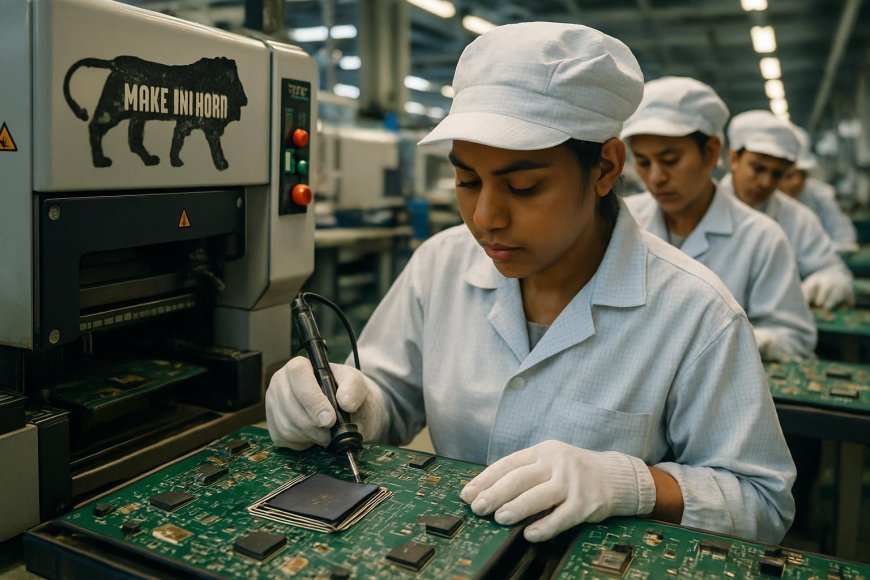
The electronics sector is expected to be among the biggest beneficiaries of the proposal. India has rapidly expanded production of smartphones, laptops, tablets, and other consumer electronics, supported by government incentive schemes.
Industry experts say the proposed tax changes could:
-
Lower investment risks.
-
Encourage advanced manufacturing technologies.
-
Improve supply-chain resilience.
-
Increase exports of electronic products.
-
Promote the establishment of component manufacturing within India.
The measures complement other government initiatives aimed at developing a stronger domestic electronics ecosystem.
Boost for Global Manufacturers
The proposal is expected to benefit multinational companies that manufacture products in India through contract manufacturing arrangements. Companies expanding production of smartphones, laptops, tablets, and wearable devices may gain from greater tax certainty for machinery supplied to Indian manufacturing partners. Reuters reported that the proposal would particularly benefit companies such as Apple as they continue expanding manufacturing operations in India.
Employment Opportunities
Expansion of manufacturing generally creates employment across multiple sectors, including:
-
Factory production.
-
Engineering.
-
Quality control.
-
Logistics.
-
Warehousing.
-
Research and development.
-
Supply-chain management.
Indirect employment is also generated through transportation, packaging, maintenance services, and local suppliers. Government estimates for electronics manufacturing initiatives project substantial additional investment, production, and direct employment.
Strengthening Supply Chains
Recent global disruptions have encouraged many multinational companies to diversify manufacturing away from single-country dependence.
India aims to become a preferred alternative by offering:
-
Stable tax policies.
-
Competitive labour costs.
-
Growing infrastructure.
-
Large domestic demand.
-
Export opportunities.
The proposed tax extension supports this strategy by making long-term manufacturing investments more predictable.
Economic Benefits
If implemented successfully, the proposal could contribute to:
-
Higher industrial production.
-
Greater export earnings.
-
Increased investment inflows.
-
Technology transfer.
-
Improved productivity.
-
Expansion of ancillary industries.
-
Higher tax revenue over the long term through broader economic activity.
Manufacturing growth can also stimulate demand in sectors such as steel, chemicals, logistics, ports, and transportation.
Challenges
Despite the potential benefits, analysts note that tax incentives alone are not enough. India must also continue improving:
-
Infrastructure.
-
Logistics efficiency.
-
Power supply.
-
Availability of skilled workers.
-
Ease of doing business.
-
Regulatory predictability.
These factors will influence whether companies choose India for future manufacturing expansion.
Industry Reaction
Many industry observers have welcomed the proposal because long-term tax certainty can improve investment planning. Businesses generally prefer stable policy frameworks when making capital-intensive investments that may take years to become profitable.
Parliamentary Process
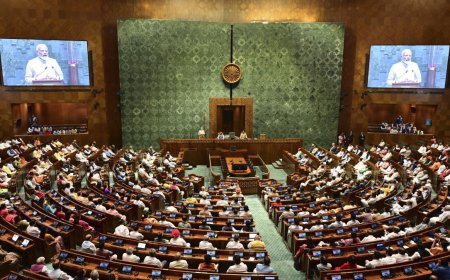
The proposal forms part of the Taxation and Other Laws (Amendment) Bill, 2026. It must be debated and approved by both Houses of Parliament before the provisions become law. The final legislation could include amendments made during the parliamentary process.