Government Summons Meta Officials: India Raises Concerns Over Child Safety, AI-Generated Content, and Verified Accounts
Government Summons Meta Officials: India Raises Concerns Over Child Safety, AI-Generated Content, and Verified Accounts
 Madhavisanvi
Government Summons Meta Officials: India Raises Concerns Over Child Safety, AI-Generated Content, and Verified Accounts
Introduction
The Government of India has convened a high-level meeting with Meta's global leadership team in New Delhi on 5–6 August to discuss a range of pressing issues related to digital safety, artificial intelligence (AI), and platform accountability. The discussions are expected to focus on three key areas: child safety on social media platforms, the regulation of AI-generated content, and the management of verified accounts across Meta's services, including Facebook, Instagram, and WhatsApp.
The move reflects India's growing emphasis on ensuring that global technology companies operate responsibly and comply with national laws while protecting users from emerging digital risks. As social media platforms continue to expand their reach, governments worldwide are seeking stronger safeguards against misinformation, online exploitation, identity fraud, and harmful AI-generated content.
India, one of Meta's largest markets with hundreds of millions of users, considers these issues particularly significant due to the country's rapidly expanding digital ecosystem and increasing internet penetration.
Why the Meeting Was Called
The meeting comes amid growing concerns over the influence of social media and artificial intelligence on public safety, democratic processes, and online trust.
Government officials are expected to discuss:
-
Protection of children from online exploitation.
-
Detection and removal of harmful content.
-
Regulation of AI-generated images, videos, and text.
-
Transparency in content moderation.
-
Misuse of verified accounts.
-
Compliance with Indian digital regulations.
The government believes that technology companies must strengthen their internal systems to prevent misuse while preserving freedom of expression.
Child Safety Becomes a Top Priority
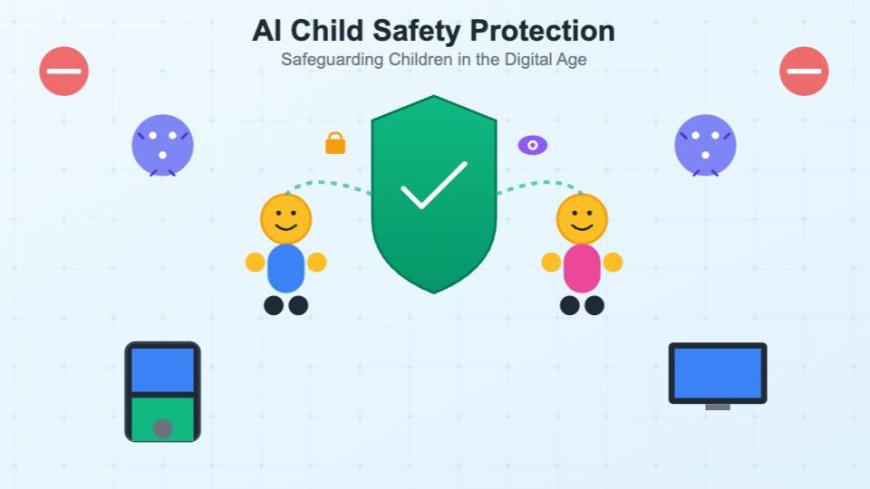
One of the primary agenda items is child safety.
With millions of children and teenagers using social media every day, concerns have increased regarding:
-
Online grooming.
-
Cyberbullying.
-
Sexual exploitation.
-
Harmful online challenges.
-
Exposure to inappropriate content.
-
Privacy violations.
Authorities are expected to ask Meta about measures currently in place to protect minors and whether additional safeguards can be implemented.
Possible areas of discussion include:
-
Stronger age verification.
-
Better parental control tools.
-
Faster reporting mechanisms.
-
Automatic detection of harmful content.
-
Cooperation with law enforcement agencies.
Experts believe protecting children online requires continuous technological improvements as well as digital literacy among families.
Growing Concerns Over AI-Generated Content
Artificial intelligence has transformed the internet by enabling users to generate realistic:
-
Images.
-
Videos.
-
Voice recordings.
-
Articles.
-
Computer-generated personalities.
While AI provides many benefits, it also creates risks.
Government officials are concerned about:
-
Deepfake videos.
-
AI-generated misinformation.
-
Fake news.
-
Fraudulent advertisements.
-
Identity impersonation.
-
Election-related manipulation.
Deepfake technology can produce convincing videos that appear authentic even when completely fabricated.
These technologies can damage reputations, spread panic, and influence public opinion if not properly regulated.
Need for Responsible AI
India is encouraging global technology companies to adopt responsible AI practices.
This includes:
-
Watermarking AI-generated content.
-
Labelling synthetic media.
-
Detecting manipulated images.
-
Preventing misuse of generative AI.
-
Increasing transparency regarding AI systems.
The government believes users should be able to distinguish genuine content from computer-generated material.
Verified Accounts Under Scrutiny
Another important topic is the management of verified accounts.
Verification badges are intended to help users identify authentic public figures, businesses, journalists, and government organizations.
However, concerns have emerged regarding:
-
Impersonation.
-
Fake verification.
-
Account hijacking.
-
Misleading profiles.
-
Abuse of verification systems.
Officials are expected to seek clarification regarding Meta's verification policies and mechanisms for handling complaints.
Social Media's Expanding Influence
Meta operates some of the world's largest digital platforms:
-
Facebook.
-
Instagram.
-
WhatsApp.
-
Threads.
These platforms collectively serve billions of users worldwide.
In India, they play an important role in:
-
Communication.
-
Education.
-
Business promotion.
-
News sharing.
-
Entertainment.
-
Political discussions.
Because of this influence, governments increasingly expect stronger accountability from technology companies.
Balancing Innovation and Regulation
Artificial intelligence continues to drive innovation across sectors.
Benefits include:
-
Improved education.
-
Better healthcare.
-
Faster customer service.
-
Language translation.
-
Scientific research.
-
Business automation.
However, policymakers emphasize that innovation should not come at the expense of public safety.
The challenge is to create regulations that encourage technological progress while reducing harmful misuse.
India's Digital Regulatory Framework
India has strengthened its digital governance through various laws and regulations aimed at improving online safety.
Key policy objectives include:
-
User protection.
-
Platform accountability.
-
Data privacy.
-
Cybersecurity.
-
Transparency.
-
Responsible digital innovation.
Technology companies operating in India are expected to cooperate with authorities whenever required under applicable laws.
Protecting Democratic Processes
Governments around the world have become increasingly concerned about misinformation during elections.
AI-generated content can potentially spread:
-
False campaign messages.
-
Fabricated speeches.
-
Fake interviews.
-
Manipulated political advertisements.
Authorities may discuss preventive mechanisms with Meta to ensure electoral integrity.
Possible measures include:
-
Faster removal of fake content.
-
Independent fact-checking.
-
AI detection systems.
-
Transparency reports.
Strengthening Content Moderation
Content moderation remains one of the most challenging responsibilities for large social media companies.
Platforms must process enormous volumes of content every day while balancing:
-
Freedom of speech.
-
User safety.
-
Privacy.
-
National laws.
Government officials are expected to discuss how Meta identifies and removes:
-
Child exploitation material.
-
Hate speech.
-
Violent content.
-
Fraudulent advertisements.
-
Harmful misinformation.
Collaboration Between Government and Technology Companies
Rather than relying solely on regulation, many experts recommend stronger collaboration.
Possible areas of cooperation include:
-
Information sharing.
-
Cybercrime investigations.
-
AI research.
-
Child protection initiatives.
-
Digital literacy campaigns.
-
Emergency response coordination.
Constructive dialogue can help address emerging technological challenges more effectively.
International Context
India is not alone in reviewing AI governance.
Several countries and regions are introducing new rules governing:
-
Artificial intelligence.
-
Data protection.
-
Online advertising.
-
Digital competition.
-
Platform transparency.
Global technology companies increasingly operate within multiple regulatory frameworks.
This requires adapting policies to local legal requirements while maintaining international standards.
Expectations from the Meeting
Industry observers expect discussions to focus on practical improvements rather than immediate regulatory action.
Potential outcomes could include:
-
Enhanced child safety measures.
-
Better AI content identification.
-
Improved verification procedures.
-
Greater transparency.
-
Stronger compliance mechanisms.
-
Continued dialogue between government and Meta.
Although major policy announcements may not occur immediately, the meeting represents an important step toward strengthening digital governance.
Challenges Ahead
Despite technological progress, several challenges remain.
These include:
-
Rapid advances in AI capabilities.
-
Cross-border cybercrime.
-
Large-scale misinformation.
-
Balancing privacy with law enforcement.
-
Protecting free expression.
-
Keeping regulations updated with evolving technology.
Both governments and technology companies will need continuous cooperation to address these complex issues.
Importance for Indian Users
For millions of Indian users, improvements discussed during these meetings could lead to:
-
Safer online experiences.
-
Better protection for children.
-
Reduced fake content.
-
Greater trust in verified accounts.
-
Increased transparency regarding AI-generated material.
Businesses, educators, journalists, parents, and ordinary users all stand to benefit from stronger digital safety measures.
Future of Responsible AI
Experts believe artificial intelligence will continue transforming society over the coming decade.
Future priorities are expected to include:
-
Ethical AI development.
-
Transparent algorithms.
-
Strong cybersecurity.
-
Human oversight.
-
User education.
-
Responsible innovation.
Technology companies, regulators, researchers, and civil society organizations are expected to play complementary roles in achieving these objectives.