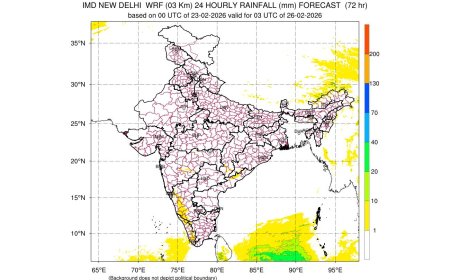
The India Meteorological Department issued an Orange Alert warning of heavy to very heavy rainfall across Uttarakhand, Jharkhand, Gangetic West Bengal, Odisha, Maharashtra, Konkan, and Goa
The India Meteorological Department issued an Orange Alert warning of heavy to very heavy rainfall across Uttarakhand, Jharkhand, Gangetic West Bengal, Odisha, Maharashtra, Konkan, and Goa
 Madhavisanvi
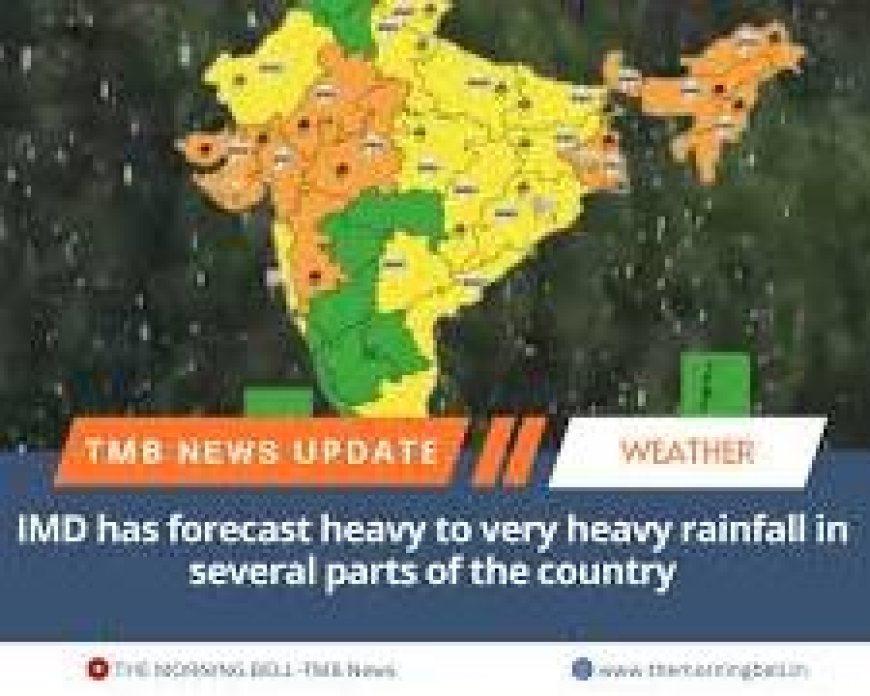
The India Meteorological Department (IMD) has issued an Orange Alert forecasting widespread, heavy to very heavy rainfall across multiple Indian states, including Uttarakhand, Jharkhand, Gangetic West Bengal, Odisha, Maharashtra, Konkan, and Goa.
This multi-region alert underscores an intense active monsoon phase driven by active synoptic weather systems across the Bay of Bengal and along the western coast.
                  ┌──────────────────────────────────────────────────┐
                  │ Active Monsoon Systems Triggering Heavy Rainfall │
                  └────────────────────────┬─────────────────────────┘
                                           │
         ┌─────────────────────────────────┴─────────────────────────────────┐
         ▼                                                                   ▼
┌─────────────────────────────────┐                         ┌─────────────────────────────────┐
│     Bay of Bengal Low Pressure  │                         │ Offshore Trough & Monsoon Surge │
│ (Odisha, WB, Jharkhand, UK)     │                         │ (Maharashtra, Konkan, Goa)      │
└─────────────────────────────────┘                         └─────────────────────────────────┘
Meteorological Drivers Behind the Alert
The heightened monsoon activity across both Eastern/Central India and the Western Coast is fueled by two primary atmospheric conditions:
-
Low-Pressure System in the Bay of Bengal: A well-marked low-pressure area over the northern Bay of Bengal, coupled with a strong cyclonic circulation, is drawing immense moisture from the ocean. This system is steering rain-bearing winds inland toward Odisha, Gangetic West Bengal, Jharkhand, and extending up into the Himalayan foothills of Uttarakhand.
-
Offshore Trough & Strong Westerlies: Along the Arabian Sea coast, a persistent offshore trough extending from the South Maharashtra coast to the Goa-Kerala coast, combined with strong lower-tropospheric westerly winds, is triggering heavy orographic precipitation along the Western Ghats (Konkan and Goa).
Sectoral & Regional Impact Breakdown
1. Uttarakhand & Himalayan Foothills
-
Key Hazards: Cloudburst potential, flash floods in mountain streams, and major landslides along national highways (including the Chardham Yatra routes).
-
Impact Areas: Rudraprayag, Chamoli, Pithoragarh, Uttarkashi, and Dehradun.
-
Civic Readiness: The State Disaster Response Force (SDRF) and District Magistrates have placed local administrations on high alert, with advisories issued restricting non-essential travel in high-altitude zones.
2. Eastern India (Odisha, Gangetic West Bengal, Jharkhand)
-
Key Hazards: Urban waterlogging, swelling of river basins (such as the Mahanadi, Baitarani, and Subarnarekha systems), localized agricultural inundation, and lightning strikes.
-
Impact Areas: Coastal and northern Odisha districts, Southern West Bengal (including Kolkata and South 24 Parganas), and southern/eastern Jharkhand districts (Ranchi, Jamshedpur).
-
Civic Readiness: Fishermen have been strictly advised not to venture into the deep sea due to rough sea conditions and squally winds reaching speeds of $45\text{--}55\text{ km/h}$. Municipal bodies in coastal and urban centers have deployed high-capacity water pumps to prevent waterlogging.
3. Western Coast (Konkan, Goa & Western Maharashtra)
-
Key Hazards: Ghat-section landslides, sudden surges in coastal rivers, severe urban flooding, and localized power/communication disruptions.
-
Impact Areas: Mumbai, Thane, Raigad, Ratnagiri, Sindhudurg, Goa, and the ghat regions of Pune and Satara.
-
Civic Readiness: The National Disaster Response Force (NDRF) teams have been pre-positioned in vulnerable coastal pockets to manage potential flood evacuations in low-lying river basins.
Summary of IMD Color-Coded Alert Levels
| Alert Level | Meaning & Recommended Action |
| Green Alert | No Warning: No adverse weather expected; normal routine. |
| Yellow Alert | Watch & Be Updated: Weather may deteriorate; local updates advised. |
| Orange Alert | Be Prepared: High likelihood of severe weather causing disruptions; action required. |
| Red Alert | Take Action: Extremely severe weather expected; immediate safety measures needed. |