IMD Issues Heavy Rainfall Alerts Across India: Red Alerts for Madhya Pradesh, Assam, and Kerala as Monsoon Intensifies
IMD Issues Heavy Rainfall Alerts Across India: Red Alerts for Madhya Pradesh, Assam, and Kerala as Monsoon Intensifies
 Madhavisanvi
IMD Issues Heavy Rainfall Alerts Across India: Red Alerts for Madhya Pradesh, Assam, and Kerala as Monsoon Intensifies
Introduction
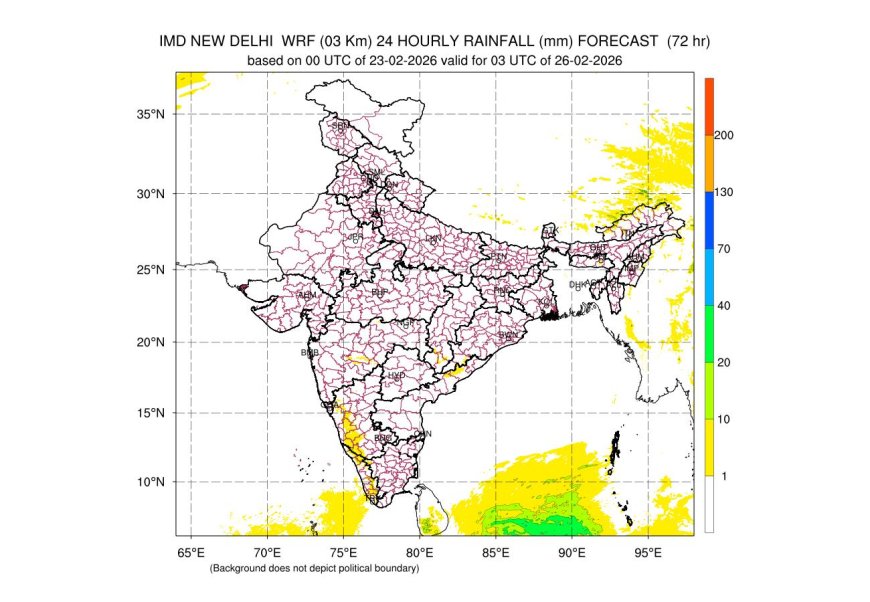
The India Meteorological Department (IMD) has issued red alerts for Madhya Pradesh, Assam, and Kerala, warning of heavy to extremely heavy rainfall over the coming days. Along with these states, Odisha, Bihar, West Bengal, Uttar Pradesh, Uttarakhand, Arunachal Pradesh, Meghalaya, Nagaland, Manipur, Mizoram, Tripura, and other northeastern states are also expected to receive widespread rainfall accompanied by thunderstorms, lightning, and gusty winds.
The latest weather advisory highlights the growing intensity of the southwest monsoon and the possibility of flooding, waterlogging, landslides, and disruptions to transportation and essential services. State governments, district administrations, and disaster management agencies have been placed on alert to minimize the impact of adverse weather conditions.
The IMD has urged residents in vulnerable areas to remain cautious, follow official advisories, and avoid unnecessary travel during periods of intense rainfall.
Southwest Monsoon Remains Active
India's southwest monsoon is the lifeline of the country's agriculture and water resources. Every year, it provides nearly 70 percent of the annual rainfall received across most parts of the country.
This year's monsoon has remained highly active, with favorable atmospheric conditions leading to continuous rainfall across central, eastern, southern, and northeastern India.
Meteorologists explain that the interaction between monsoon winds from the Arabian Sea and the Bay of Bengal, combined with low-pressure systems developing over the region, has significantly increased rainfall activity.
These weather systems are carrying enormous amounts of moisture inland, resulting in prolonged spells of heavy rain.
Why Has IMD Issued Red Alerts?
A Red Alert is the highest level of weather warning issued by the India Meteorological Department.
It indicates that extremely heavy rainfall is expected and immediate action is necessary to protect life and property.
Under a red alert:
-
Schools may remain closed.
-
Flood-prone areas are monitored continuously.
-
Rescue teams are kept ready.
-
People are advised to avoid unnecessary travel.
-
Local administrations prepare evacuation plans if required.
The current red alerts have been issued after weather models predicted rainfall exceeding safe limits in several districts.
Madhya Pradesh Faces Intense Rainfall
Madhya Pradesh is expected to witness continuous heavy rainfall over multiple districts.
Major rivers, reservoirs, and dams are already receiving large inflows due to persistent rains.
Authorities are closely monitoring:
-
Narmada River
-
Chambal River
-
Betwa River
-
Shipra River
Urban centers may experience:
-
Waterlogging
-
Traffic congestion
-
Disruptions in public transport
-
Power supply interruptions
Farmers have welcomed rainfall for crop growth but remain concerned about excessive water damaging standing crops.
Assam Continues to Battle Flood Risks
Assam remains among the states most vulnerable to monsoon flooding.
Heavy rainfall in upper catchment areas and neighboring northeastern states often leads to rising river levels.
The Brahmaputra and its tributaries are being closely monitored.
Potential impacts include:
-
Flooding in low-lying villages
-
Damage to roads and bridges
-
Crop losses
-
Displacement of families
-
Disruptions in education
Disaster response teams remain prepared to assist affected communities.
Kerala Experiences Strong Monsoon Activity
Kerala continues to receive widespread rainfall due to the active southwest monsoon.
Several districts are expected to witness:
-
Heavy rain
-
Thunderstorms
-
Strong winds
-
Landslide risks in hilly regions
Authorities have advised tourists to avoid visiting waterfalls, rivers, and landslide-prone locations until weather conditions improve.
Local administrations continue monitoring reservoirs and water levels.
Odisha Also Under Heavy Rain Warning
Odisha is expected to receive widespread rainfall across coastal and interior districts.
Districts may experience:
-
Thunderstorms
-
Lightning
-
Gusty winds
-
Heavy rainfall
Low-lying regions may witness temporary flooding.
Fishermen have been advised not to venture into the sea because rough weather conditions are expected along the coast.
Residents have also been advised to avoid staying near rivers and drainage channels during periods of heavy rain.
Bihar and Eastern India
Bihar, West Bengal, and neighboring states are likely to experience moderate to heavy rainfall over the next few days.
Possible impacts include:
-
Waterlogging in urban areas
-
Reduced visibility
-
Traffic disruptions
-
Crop damage in some districts
The rainfall is expected to provide relief from high temperatures while improving soil moisture for agricultural activities.
Uttar Pradesh and Uttarakhand
Northern India is also expected to witness significant rainfall.
In Uttar Pradesh:
-
Urban flooding may occur in major cities.
-
Thunderstorms could disrupt transportation.
In Uttarakhand:
-
Landslides remain a major concern.
-
Hill roads may become unsafe.
-
Pilgrimage routes could experience temporary closures.
Authorities have requested travelers to check weather updates before beginning journeys.
Northeast India Remains Vulnerable
States including:
-
Arunachal Pradesh
-
Meghalaya
-
Nagaland
-
Manipur
-
Mizoram
-
Tripura
are expected to receive very heavy rainfall.
These regions frequently experience:
-
Flash floods
-
Landslides
-
River swelling
-
Road blockages
Emergency services remain prepared to respond if conditions worsen.
Impact on Agriculture
Monsoon rainfall plays a crucial role in India's agricultural economy.
Positive effects include:
-
Improved soil moisture
-
Better groundwater recharge
-
Healthy crop growth
-
Increased reservoir storage
However, excessive rainfall may damage:
-
Paddy fields
-
Vegetable crops
-
Pulses
-
Cotton
-
Horticultural produce
Farmers are being advised to improve field drainage wherever possible.
Urban Challenges
Heavy rainfall often creates significant problems in cities.
Major issues include:
-
Waterlogging
-
Traffic jams
-
Metro service disruptions
-
Flight delays
-
Train delays
-
Power outages
Municipal authorities are working to clear drainage systems and ensure rapid water removal from flooded roads.
Risk of Landslides
Continuous rainfall increases the likelihood of landslides in mountainous regions.
High-risk areas include:
-
Western Ghats
-
Himalayan states
-
Northeastern hill districts
Residents living near unstable slopes are advised to remain alert and follow evacuation instructions if issued.
Lightning and Strong Winds
Apart from rainfall, thunderstorms may produce:
-
Frequent lightning
-
Strong winds
-
Falling trees
-
Damage to electric poles
-
Crop destruction
People are advised to stay indoors during thunderstorms and avoid taking shelter beneath isolated trees.
Government Preparedness
State governments have initiated precautionary measures including:
-
Deployment of disaster response teams
-
Continuous monitoring of rivers
-
Stocking relief materials
-
Emergency communication systems
-
Coordination between district administrations
The National Disaster Response Force (NDRF) and State Disaster Response Force (SDRF) remain on standby wherever required.
Public Safety Guidelines
The IMD and disaster management authorities have advised citizens to:
-
Stay updated through official weather bulletins.
-
Avoid unnecessary travel during heavy rainfall.
-
Do not cross flooded roads or bridges.
-
Keep emergency supplies ready.
-
Charge mobile phones and emergency devices.
-
Stay away from rivers, lakes, and fast-flowing streams.
-
Follow evacuation orders issued by local authorities.
Simple precautions can significantly reduce the risk of accidents during extreme weather.
Climate Change and Extreme Rainfall
Meteorologists note that climate change is contributing to an increase in the frequency and intensity of extreme rainfall events.
Warmer atmospheric temperatures allow more moisture to accumulate, resulting in heavier downpours over shorter periods.
Scientists continue to emphasize the need for:
-
Improved urban drainage
-
Better flood forecasting
-
Climate-resilient infrastructure
-
Sustainable land-use planning
These measures will help reduce future disaster risks.