National Handloom Day 2026: PM Narendra Modi Urges Citizens to Support Indian Weavers and Strengthen the ‘Vocal for Local’ Movement
National Handloom Day 2026: PM Narendra Modi Urges Citizens to Support Indian Weavers and Strengthen the ‘Vocal for Local’ Movement
 Madhavisanvi
National Handloom Day 2026: PM Narendra Modi Urges Citizens to Support Indian Weavers and Strengthen the ‘Vocal for Local’ Movement
Introduction
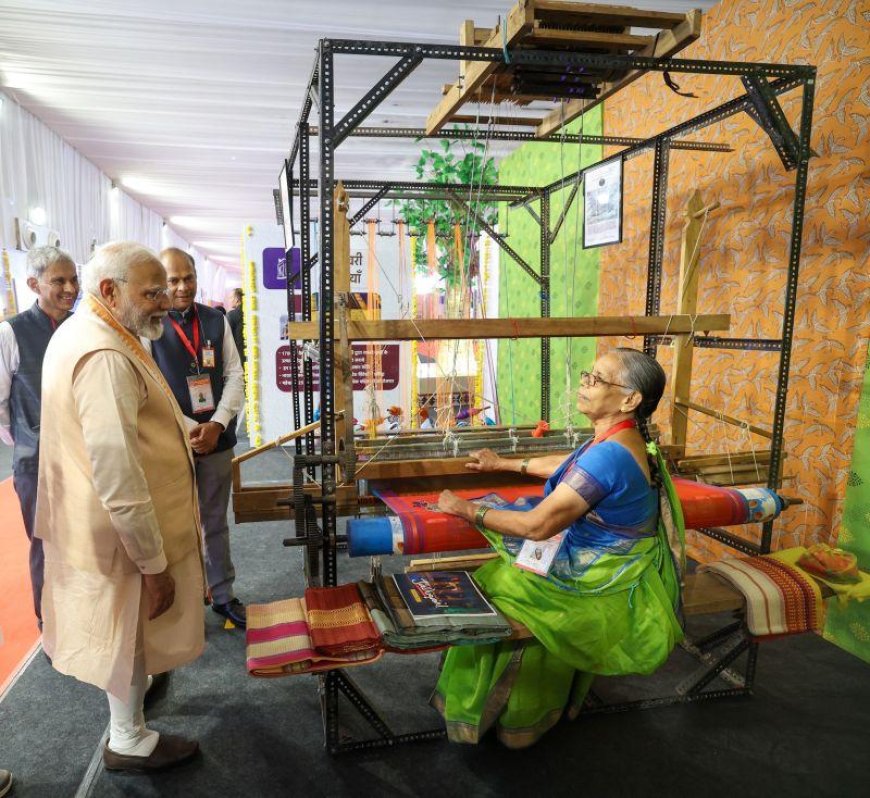
India celebrated National Handloom Day with great enthusiasm on 7 August 2026, recognizing the invaluable contribution of millions of handloom weavers and artisans who have preserved the country's rich textile heritage for generations. On the occasion, Prime Minister Narendra Modi extended his greetings to the nation and called upon citizens to support Indian weavers by purchasing and promoting authentic handloom products.
The Prime Minister emphasized that every handloom purchase contributes not only to preserving India's centuries-old traditions but also to strengthening rural livelihoods, empowering artisans, generating employment, and boosting the country's economy. He reiterated the importance of the "Vocal for Local" initiative, encouraging people to choose locally made products and showcase India's craftsmanship on the global stage.
History of National Handloom Day
National Handloom Day is observed every year on 7 August to commemorate the historic Swadeshi Movement, which began on 7 August 1905 during India's freedom struggle. The movement encouraged Indians to boycott foreign-made goods and support products manufactured by local artisans and industries.
The observance of National Handloom Day was officially launched by the Government of India in 2015 to recognize the contribution of the handloom sector to the country's economy and cultural identity.
Since then, the day has become an annual celebration honoring India's weaving communities and promoting awareness about traditional textiles.
Prime Minister Narendra Modi's Message
In his National Handloom Day message, Prime Minister Narendra Modi highlighted the dedication, creativity, and craftsmanship of India's weaving community.
He noted that:
-
Every handloom fabric tells a unique story of India's cultural heritage.
-
Supporting handloom products helps improve the livelihoods of rural artisans.
-
Young people should embrace traditional Indian textiles.
-
Citizens should actively participate in the "Vocal for Local" campaign.
-
Indian handloom products have immense potential in international markets.
The Prime Minister also praised women weavers, self-help groups, and artisan cooperatives for their role in preserving traditional weaving techniques.
Importance of India's Handloom Industry
India possesses one of the world's oldest and largest handloom traditions.
The sector provides employment to millions of weavers and allied workers, making it one of the country's largest sources of rural employment after agriculture.
Major benefits include:
-
Employment generation
-
Women's economic empowerment
-
Rural development
-
Preservation of traditional crafts
-
Export earnings
-
Sustainable textile production
Unlike power-loom manufacturing, handloom weaving depends largely on manual skills, making every product unique.
India's Rich Handloom Heritage
India's textile diversity is unmatched.
Every region has its own distinctive weaving style.
Some famous examples include:
-
Banarasi Silk (Uttar Pradesh)
-
Kanchipuram Silk (Tamil Nadu)
-
Sambalpuri Ikat (Odisha)
-
Pochampally Ikat (Telangana)
-
Chanderi (Madhya Pradesh)
-
Maheshwari (Madhya Pradesh)
-
Patola (Gujarat)
-
Muga Silk (Assam)
-
Jamdani (West Bengal)
These textiles represent centuries of artistic excellence and regional identity.
Challenges Faced by Weavers
Despite their remarkable skills, many handloom weavers continue to face difficulties.
Major challenges include:
-
Competition from machine-made textiles
-
Rising raw material costs
-
Limited market access
-
Low incomes
-
Lack of modern marketing facilities
-
Changing consumer preferences
Many younger generations are moving away from traditional weaving because of uncertain earnings.
Government Initiatives
The Government of India has launched several schemes to strengthen the handloom sector.
These include:
-
National Handloom Development Programme
-
India Handloom Brand
-
Weaver Mudra Scheme
-
Yarn Supply Scheme
-
Marketing assistance
-
Skill development programmes
-
Digital promotion through e-commerce platforms
These initiatives aim to improve production, branding, income, and market access for artisans.
Role of the 'Vocal for Local' Campaign
The "Vocal for Local" campaign encourages consumers to support Indian-made products.
For the handloom sector, this means:
-
Buying authentic handloom garments
-
Supporting local artisans
-
Promoting Indian textiles globally
-
Encouraging sustainable fashion
-
Creating employment opportunities
Every purchase directly benefits weaving families and strengthens rural economies.
Growing Global Demand
Indian handloom products have gained recognition worldwide due to:
-
Superior craftsmanship
-
Natural fibres
-
Eco-friendly production
-
Rich cultural heritage
-
Unique designs
Countries across Europe, North America, Japan, and the Middle East continue to import Indian handloom textiles.
International fashion designers increasingly collaborate with Indian artisans to create premium collections.
Women and the Handloom Sector
Women play a vital role in weaving communities.
They participate in:
-
Yarn preparation
-
Dyeing
-
Weaving
-
Embroidery
-
Quality control
-
Marketing
Handloom employment provides financial independence to thousands of rural women and strengthens self-help groups.
Technology and Modern Marketing
Digital platforms have opened new opportunities for artisans.
Today many weavers sell products through:
-
E-commerce websites
-
Social media platforms
-
Government marketplaces
-
Handloom exhibitions
-
International trade fairs
Technology has enabled artisans to reach customers directly, increasing profits and reducing dependence on intermediaries.
Sustainability and Eco-Friendly Fashion
Handloom production consumes significantly less electricity compared to machine-made textiles.
Benefits include:
-
Lower carbon emissions
-
Reduced environmental impact
-
Natural fibres
-
Sustainable production methods
-
Long-lasting quality
As consumers become more environmentally conscious, handloom products are gaining popularity worldwide.
National Celebrations
National Handloom Day is celebrated through:
-
Exhibitions
-
Fashion shows
-
Cultural programmes
-
Artisan awards
-
School awareness campaigns
-
Live weaving demonstrations
Government departments, educational institutions, and textile organizations organize events highlighting India's textile traditions.