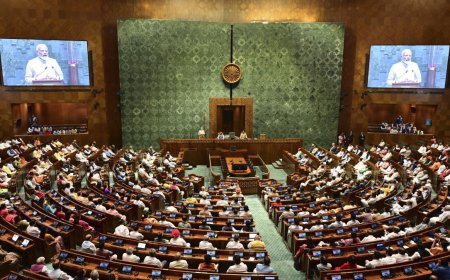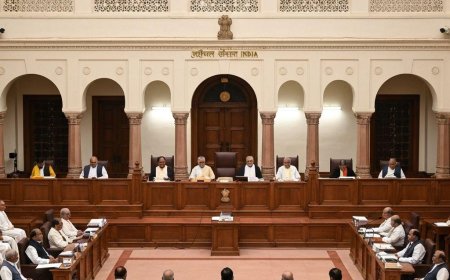
🇮🇳 Human Rights in the Indian Constitution
Human rights are the basic rights and freedoms that belong to every individual simply because they are human beings. These rights ensure dignity, equality, and liberty in society. In India, human rights are strongly protected and guaranteed by the Constitution, especially through the concept of Fundamental Rights. The Constitution of India serves as the foundation for safeguarding these rights and promoting justice, equality, and freedom.
 Avya7800
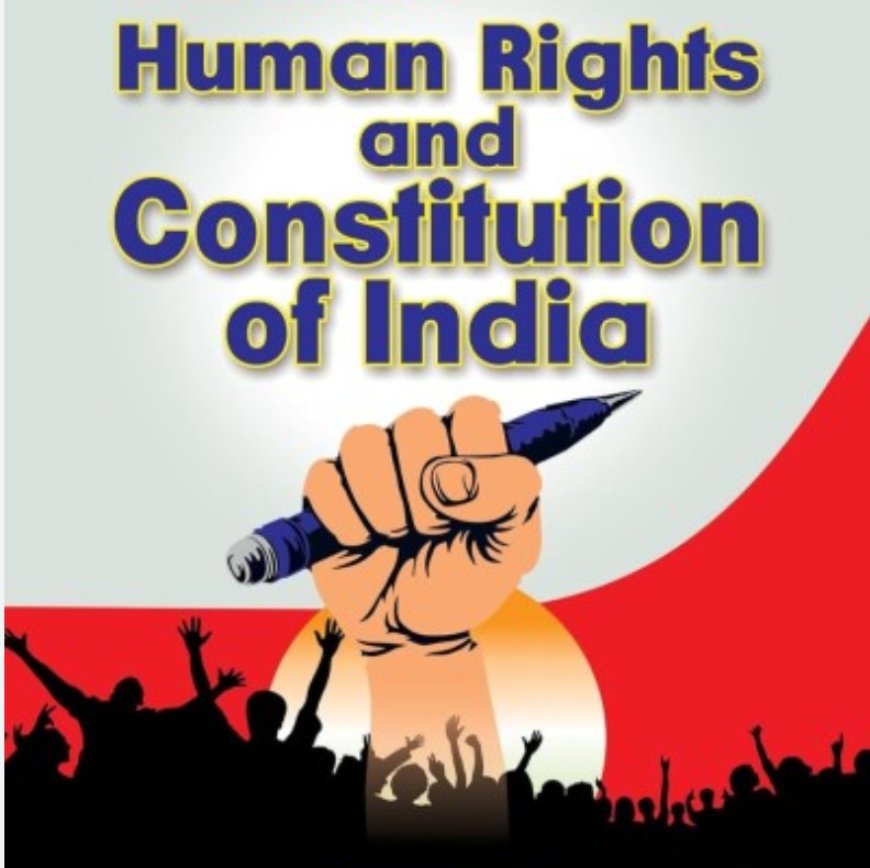
1. Introduction to Human Rights
Human rights include civil, political, economic, social, and cultural rights. They are universal and apply to all individuals regardless of caste, religion, gender, or nationality. In India, the idea of human rights is deeply rooted in the freedom struggle and the vision of leaders like Dr. B. R. Ambedkar, who emphasized equality and justice for all.
The Constitution of India incorporates these principles and ensures that every citizen can live a life of dignity.
2. Fundamental Rights: The Core of Human Rights
Human rights in India are mainly protected through Fundamental Rights (Part III of the Constitution). These rights are enforceable by courts and are essential for the development of individuals.
Key Articles:
Article 12–35: Fundamental Rights
Article 32: Right to constitutional remedies
Dr. Ambedkar called Article 32 the “heart and soul” of the Constitution because it allows citizens to approach courts if their rights are violated.
3. Right to Equality (Articles 14–18)
The Right to Equality ensures that all citizens are equal before the law.
Key Provisions:
Equality before law (Article 14)
Prohibition of discrimination (Article 15)
Equality of opportunity (Article 16)
Abolition of untouchability (Article 17)
Abolition of titles (Article 18)
This right aims to eliminate social inequalities and promote fairness in society.
4. Right to Freedom (Articles 19–22)
The Right to Freedom is essential for personal liberty.
Key Freedoms:
Freedom of speech and expression
Freedom of assembly
Freedom of movement
Freedom to practice any profession
These rights are subject to reasonable restrictions for maintaining public order and security.
5. Right against Exploitation (Articles 23–24)
This right protects individuals from exploitation.
Key Provisions:
Prohibition of human trafficking
Ban on forced labor
Prohibition of child labor in hazardous industries
It ensures that no person is treated as a commodity or forced into labor.
6. Right to Freedom of Religion (Articles 25–28)
India is a secular country, and this right ensures religious freedom.
Key Features:
Freedom to practice, profess, and propagate religion
Freedom to manage religious affairs
No discrimination based on religion
This promotes harmony and respect among different communities.
7. Cultural and Educational Rights (Articles 29–30)
These rights protect the cultural identity of minorities.
Key Points:
Right to conserve language and culture
Right to establish educational institutions
They ensure diversity and inclusiveness in Indian society.
8. Right to Constitutional Remedies (Article 32)
This is one of the most important rights.
Features:
Citizens can approach the Supreme Court
Courts can issue writs like Habeas Corpus, Mandamus, Certiorari
It ensures that Fundamental Rights are not just theoretical but enforceable.
9. Role of Judiciary in Protecting Human Rights
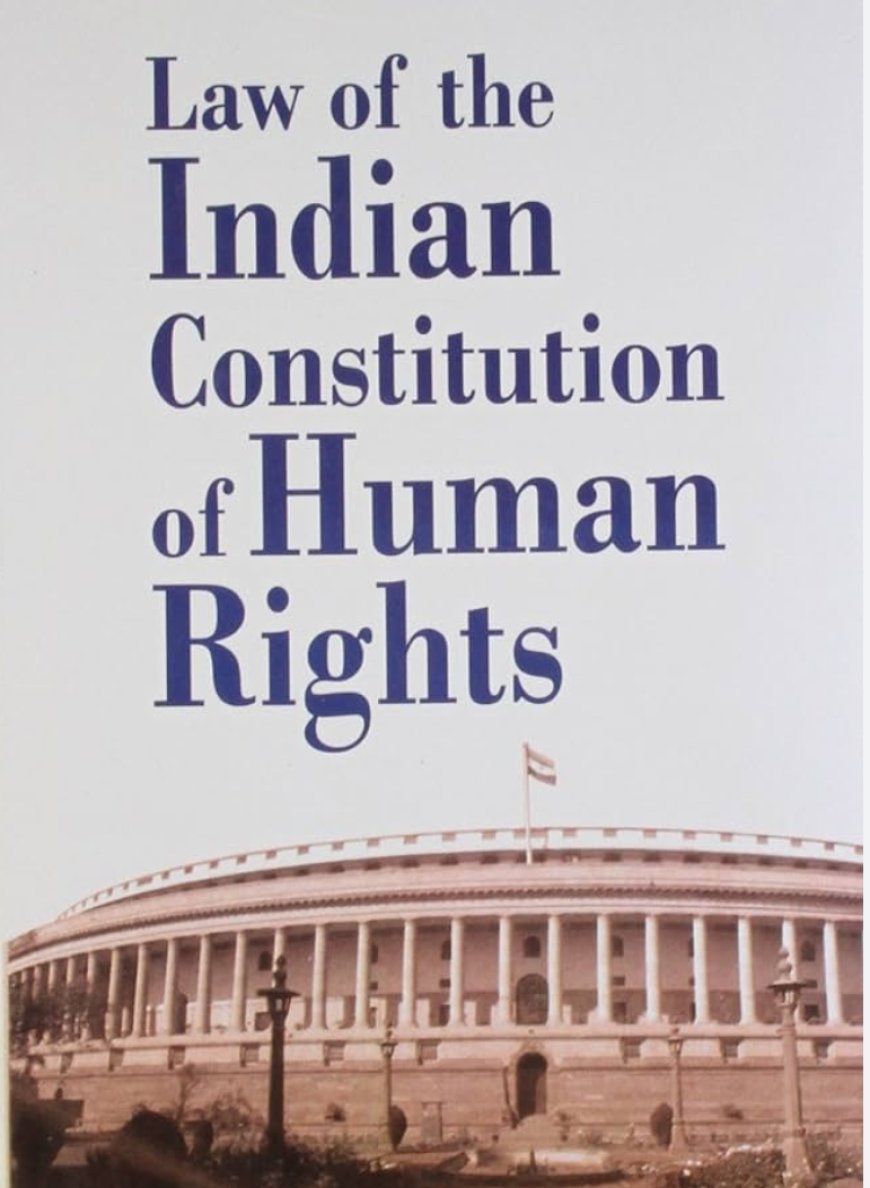
The judiciary plays a crucial role in protecting human rights.
Key Institution:
Supreme Court of India
The courts have expanded the scope of human rights through various judgments, especially under Article 21 (Right to Life).
10. Expansion of Human Rights (Article 21)
Article 21 guarantees the Right to Life and Personal Liberty.
Over time, courts have expanded this right to include:
Right to education
Right to clean environment
Right to privacy
A landmark example is the Right to Privacy case (2017).
11. Directive Principles of State Policy
Although not enforceable, these principles guide the government.
Key Goals:
Social and economic justice
Equal pay for equal work
Protection of environment
They complement Fundamental Rights and promote welfare.
12. Fundamental Duties
Citizens also have responsibilities.
Key Duties:
Respect the Constitution
Promote harmony
Protect public property
These duties help maintain a balanced society.
13. National Human Rights Commission (NHRC)
Key Organization:
National Human Rights Commission
Functions:
Investigate human rights violations
Promote awareness
Recommend measures for protection
NHRC plays a vital role in safeguarding rights.
14. Challenges in Implementation
Despite strong legal provisions, challenges remain:
Major Issues:
Poverty and inequality
Gender discrimination
Child labor
Lack of awareness
Implementation gaps often prevent people from fully enjoying their rights.
15. Importance of Human Rights in India
Human rights are essential for:
Democracy
Social justice
Individual dignity
National development
They ensure that every citizen can live freely and equally.
Conclusion
Human rights in the Indian Constitution form the backbone of a democratic and just society. The Constitution provides a comprehensive framework to protect the rights of individuals and promote equality, liberty, and dignity.