🇮🇳 Indian Children Education Policy
The most significant recent reform is the National Education Policy 2020, which aims to transform the Indian education system to meet the needs of the 21st century.
 Avya7800
📜 Historical Background of Education Policy in India
India’s journey in education reform began after independence in 1947. The government recognized that education was essential for national development.
Key milestones include:
University Education Commission (1948–49) led by Dr. S. Radhakrishnan
Secondary Education Commission (1952–53)
Kothari Commission (1964–66) which laid the foundation for modern education policy
Based on these recommendations, India introduced the National Policy on Education 1968, followed by National Policy on Education 1986 (revised in 1992). These policies focused on equal access, teacher training, and modernization of education.
🏫 Importance of Children’s Education in India
Children are the backbone of the nation. Education helps in:
Developing critical thinking and creativity
Promoting social equality
Reducing poverty and unemployment
Building responsible citizens
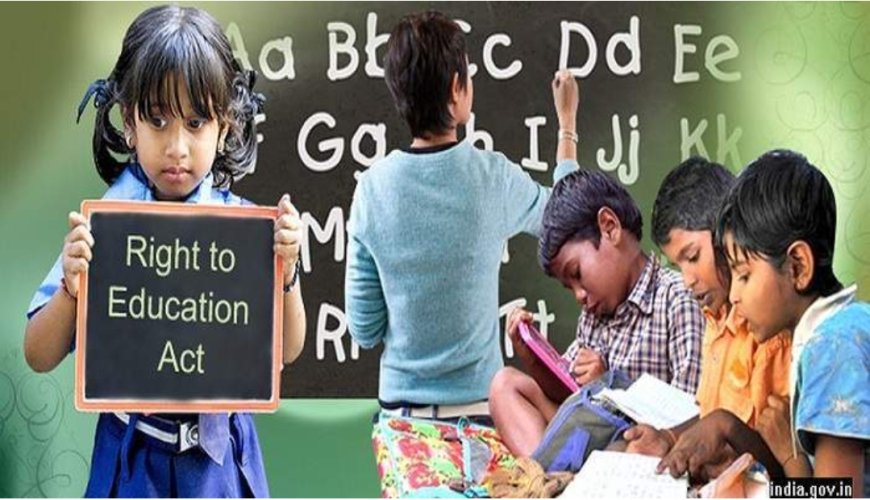
India’s Constitution also recognizes education as a fundamental right under the Right to Education Act 2009, which ensures free and compulsory education for children aged 6 to 14 years.
📘 National Education Policy 2020: A New Vision
The National Education Policy 2020 is a comprehensive reform aimed at transforming the education system. It replaces the old 10+2 structure with a new 5+3+3+4 system.
🔢 New Structure: 5+3+3+4 System
Foundational Stage (5 years)
Age: 3–8 years
Includes preschool and grades 1–2
Focus on play-based and activity-based learning
Preparatory Stage (3 years)
Age: 8–11 years
Classes 3–5
Focus on reading, writing, and basic sciences
Middle Stage (3 years)
Age: 11–14 years
Classes 6–8
Introduction to subjects like coding and vocational training
Secondary Stage (4 years)
Age: 14–18 years
Classes 9–12
Flexible subject choices and multidisciplinary learning
🎯 Key Features of NEP 2020
1. Early Childhood Care and Education (ECCE)
The policy emphasizes the importance of early education for children aged 3–6 years. It aims to strengthen Anganwadi centers and preschool systems.
2. Foundational Literacy and Numeracy
Ensuring that every child can read and perform basic mathematics by grade 3 is a top priority.
3. Multilingual Education
The policy promotes teaching in the mother tongue or regional language up to grade 5, improving understanding and learning outcomes.
4. Holistic and Multidisciplinary Education
Students are encouraged to choose subjects across streams (science, arts, commerce), breaking traditional barriers.
5. Skill Development and Vocational Training
From class 6 onwards, students are introduced to vocational skills like carpentry, coding, and internships.
6. Technology Integration
Digital learning platforms and online education are promoted, especially after the COVID-19 pandemic.
7. Assessment Reforms
Board exams will be made easier and more flexible, focusing on understanding rather than rote learning.
8. Teacher Training and Development
Teachers are given continuous professional development opportunities to improve teaching quality.
🧒 Inclusive Education for All Children
The policy ensures education for:
Children with disabilities
Economically weaker sections
Rural and tribal populations
Special provisions are made to reduce dropout rates and ensure equal opportunities.
📊 Role of Government and Institutions
Various bodies are responsible for implementing education policies:
Ministry of Education
NCERT (curriculum development)
State governments
Local authorities
The policy also encourages private sector participation and public-private partnerships.
💻 Digital Education in India
With the rise of technology, India has introduced platforms like:
DIKSHA
SWAYAM
PM eVIDYA
These platforms provide online learning resources and help bridge the digital divide.
🌍 Challenges in Implementation
Despite strong policies, India faces several challenges:
Lack of infrastructure in rural areas
Shortage of trained teachers
Digital divide between urban and rural areas
High dropout rates
Language barriers
Addressing these issues is essential for the success of education policies.
📈 Government Initiatives
Some major initiatives include:
Mid-Day Meal Scheme (nutrition + education)
Beti Bachao Beti Padhao (girls’ education)
Samagra Shiksha Abhiyan
These programs aim to improve enrollment, retention, and quality of education.
👩🎓 Impact of Education Policy
Positive outcomes include:
Increased literacy rates
Better gender equality in education
Improved access to schools
Growth in higher education institutions
However, continuous reforms are needed to maintain progress.
🌱 Future of Education in India
The future of Indian education depends on:
Effective implementation of NEP 2020
Use of technology and innovation
Focus on skill-based learning
Global collaboration
India aims to become a global knowledge hub by 2030.
🪔 Conclusion
The Indian children education policy has evolved significantly over time, with the National Education Policy 2020 marking a major step forward. It focuses on holistic development, inclusivity, and modern learning techniques.
Education is not just about acquiring knowledge; it is about building character, values, and skills. By investing in children’s education, India is investing in its future.
A strong education system will empower young minds, reduce inequalities, and drive the nation toward progress and prosperity.