
Mindset is one of the most powerful concepts in psychology.
The study of mindset is an important part of Psychology, which explores how thoughts, emotions, and behaviors interact.
 Avya7800
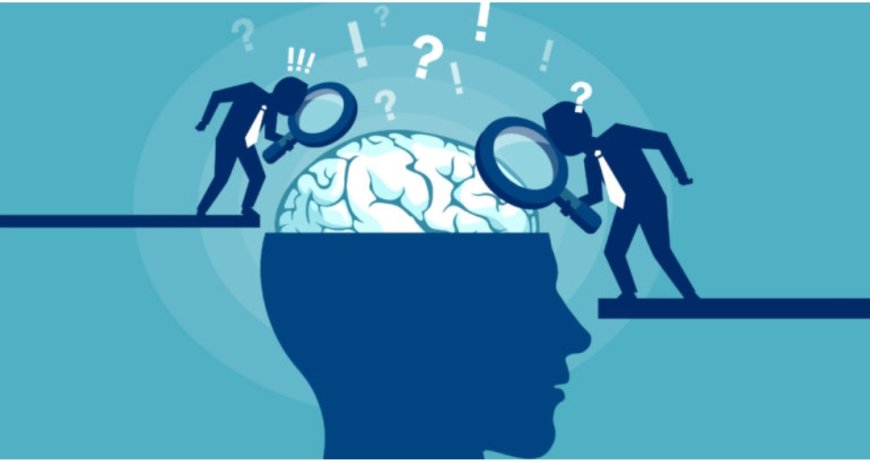
1. What is Mindset?
A mindset is a collection of beliefs that affect how we think, feel, and act. It is developed through:
Life experiences
Education
Culture
Environment
Personal reflections
Our mindset determines whether we see obstacles as problems or opportunities. For example, two people may face the same failure—one gives up, while the other learns and grows. The difference lies in their mindset.
2. Types of Mindsets
One of the most influential theories in psychology is proposed by Carol Dweck, who introduced two main types of mindsets:
(a) Fixed Mindset
People with a fixed mindset believe that:
Intelligence and abilities are fixed
Talent alone leads to success
Failure means lack of ability
Characteristics:
Avoid challenges
Fear failure
Give up easily
Feel threatened by others’ success
(b) Growth Mindset
People with a growth mindset believe that:
Abilities can be developed through effort
Learning is more important than immediate success
Failure is a chance to improve
Characteristics:
Embrace challenges
Persist through difficulties
Learn from criticism
Feel inspired by others’ success
A growth mindset leads to higher achievement and better mental health.
3. Importance of Mindset
Mindset plays a crucial role in every aspect of life:
(a) Academic Success
Students with a growth mindset perform better because they believe they can improve through effort.
(b) Career Development
A positive mindset helps individuals adapt, learn new skills, and overcome workplace challenges.
(c) Mental Health
A healthy mindset reduces stress, anxiety, and depression. Negative thinking patterns can lead to mental health issues.
(d) Relationships
Mindset affects how we communicate, resolve conflicts, and understand others.
4. Psychological Theories Related to Mindset
Several psychological theories explain how mindset works:
(a) Cognitive Theory
Cognitive theory focuses on how thoughts influence behavior. It is closely related to Cognitive Psychology.
According to this theory:
Thoughts → Emotions → Behavior
If we change our thinking, we can change our actions and feelings.
(b) Self-Efficacy Theory
Developed by Albert Bandura, self-efficacy refers to a person’s belief in their ability to succeed.
High self-efficacy leads to:
Confidence
Persistence
Better performance
(c) Positive Psychology
Positive Psychology focuses on strengths, happiness, and well-being rather than weaknesses.
It promotes:
Optimism
Gratitude
Resilience
5. Role of Beliefs in Mindset
Beliefs are the foundation of mindset. They can be:
Positive (I can do this)
Negative (I am not good enough)
Negative beliefs often develop from:
Past failures
Criticism
Fear
Changing beliefs is key to developing a healthy mindset.
6. Mindset and Brain Plasticity
Modern science shows that the brain is flexible and can change over time. This concept is called Neuroplasticity.
Neuroplasticity proves that:
Learning changes the brain
Practice strengthens neural connections
Intelligence is not fixed
This supports the idea of a growth mindset.
7. Factors Influencing Mindset
Several factors shape a person’s mindset:
(a) Family and Upbringing
Parents and caregivers influence beliefs through encouragement or criticism.
(b) Education System
Teachers and learning environments shape attitudes toward success and failure.
(c) Culture and Society
Cultural values affect how people view effort, success, and intelligence.
(d) Personal Experiences
Success and failure experiences play a major role.
8. Fixed vs Growth Mindset Comparison
Aspect
Fixed Mindset
Growth Mindset
Belief
Abilities are fixed
Abilities can grow
Challenges
Avoid
Embrace
Effort
Useless
Necessary
Failure
Fear
Learning opportunity
Success of others
Threatening
Inspiring
9. Developing a Growth Mindset
A growth mindset can be developed with practice:
(a) Embrace Challenges
See challenges as opportunities to grow.
(b) Learn from Failure
Instead of fearing failure, analyze and improve.
(c) Practice Positive Thinking
Replace negative thoughts with constructive ones.
(d) Focus on Effort
Value hard work over natural talent.
(e) Accept Feedback
Use criticism as a tool for improvement.
10. Role of Language in Mindset
The way we talk to ourselves matters. For example:
“I can’t do this” → Fixed mindset
“I can’t do this yet” → Growth mindset
Small changes in language can create big changes in thinking.
11. Mindset and Success
Successful people often share a common trait: a growth mindset. They:
Stay persistent
Learn continuously
Adapt to change
This mindset helps them overcome obstacles and achieve goals.
12. Mindset and Emotional Intelligence
Mindset is closely linked to emotional intelligence, which includes:
Self-awareness
Self-control
Empathy
Social skills
A positive mindset improves emotional intelligence and relationships.
13. Negative Mindsets
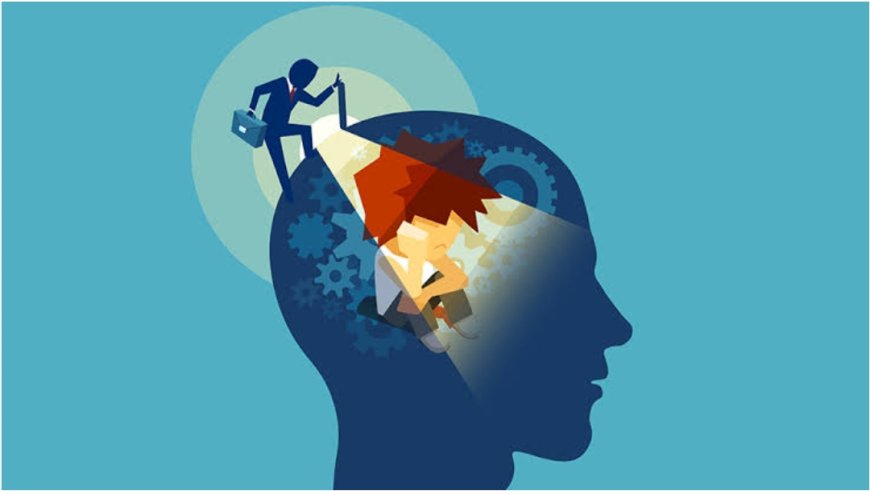
Some harmful mindsets include:
Fear mindset
Victim mindset
Perfectionist mindset
These can limit growth and lead to stress and anxiety.
14. Practical Examples
Example 1:
A student fails an exam:
Fixed mindset: “I am not smart.”
Growth mindset: “I need to study differently.”
Example 2:
An employee faces criticism:
Fixed mindset: “I am bad at my job.”
Growth mindset: “I can improve with feedback.”
15. Mindset in Daily Life
Mindset affects everyday decisions:
How we react to stress
How we handle relationships
How we pursue goals
A positive mindset leads to a happier and more productive life.
16. Mindset and Mental Health
A negative mindset can contribute to mental health problems like:
Depression
Anxiety Disorder
A growth mindset helps in:
Reducing stress
Building resilience
Improving emotional stability
Conclusion
Mindset is a powerful psychological concept that shapes our thoughts, actions, and outcomes. Rooted in the study of Psychology, it explains why some people succeed while others struggle in similar situations.
The difference between a fixed and growth mindset can determine how we face challenges, learn from experiences, and achieve our goals. Supported by concepts like Neuroplasticity, modern science confirms that our abilities are not fixed—they can grow with effort and learning.