The education system in India aims to provide knowledge,
The Indian education system is one of the largest and most diverse in the world. It plays a vital role in shaping the country’s social, economic, and cultural development
 Avya7800
1. Introduction
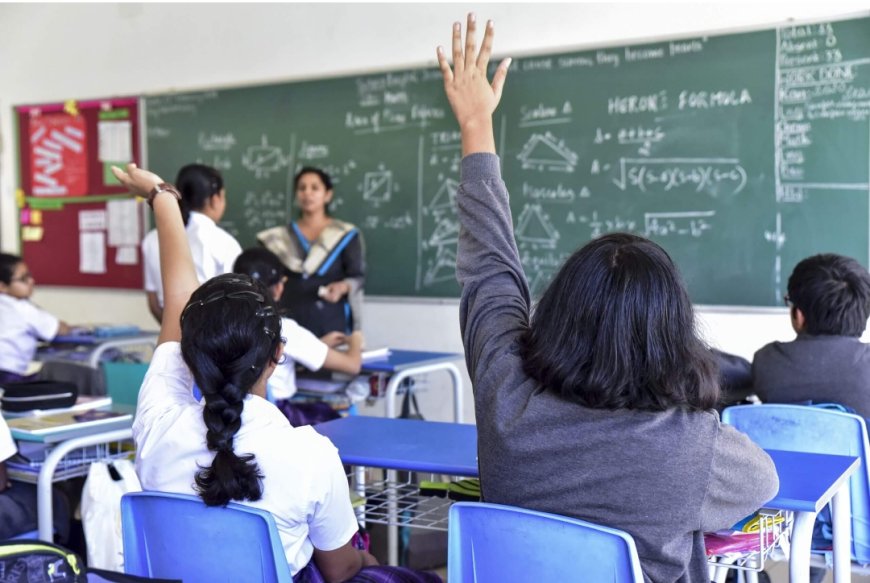
Education in India has a long history, dating back to ancient times with systems like Gurukul and universities such as Nalanda. Over the years, it has undergone significant changes, especially during and after British rule.
Today, India’s education system focuses on access, equity, quality, and inclusiveness, aiming to educate a vast population across diverse regions and cultures.
2. Structure of the Indian Education System
The Indian education system is structured into several levels:
(a) Pre-Primary Education
Age group: 3–6 years
Includes nursery, kindergarten
Focus on basic learning and development
(b) Primary Education
Classes 1–5
Focus on basic literacy and numeracy
(c) Secondary Education
Classes 6–10
Introduction of subjects like science, mathematics, and social studies
(d) Higher Secondary Education
Classes 11–12
Students choose streams: Science, Commerce, Arts
(e) Higher Education
Undergraduate, postgraduate, and doctoral programs
Includes universities, colleges, and professional institutes
3. Right to Education
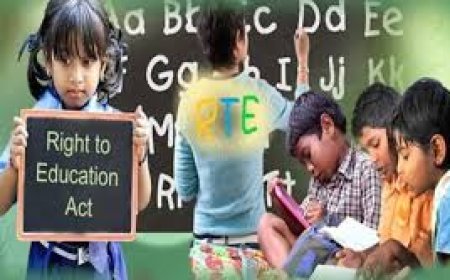
One of the most important developments is the Right to Education (RTE).
Key Law:
Right of Children to Free and Compulsory Education Act
Features:
Free and compulsory education for children aged 6–14
Focus on universal enrollment
Improvement of school infrastructure
RTE has significantly increased school enrollment rates in India.
4. Role of Government and Institutions
Education in India is governed by both central and state governments.
Key Bodies:
Ministry of Education
Central Board of Secondary Education
University Grants Commission
These institutions regulate policies, curriculum, and standards.
5. National Education Policy 2020
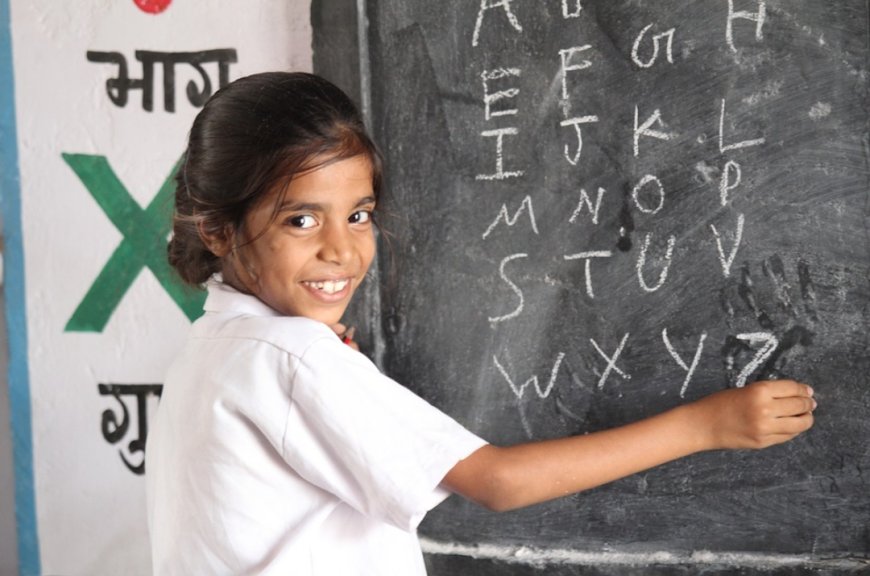
A major reform in the education system is the National Education Policy (NEP) 2020.
Key Features:
5+3+3+4 structure replacing the old system
Emphasis on early childhood education
Focus on skill-based and experiential learning
Promotion of regional languages
NEP 2020 aims to make education more flexible, multidisciplinary, and future-oriented.
6. Curriculum and Learning Approach
The Indian curriculum focuses on a wide range of subjects.
Core Subjects:
Mathematics
Science
Social Science
Languages
Modern Trends:
Digital learning
Skill development
Critical thinking
However, the system is often criticized for being exam-oriented rather than practical.
7. Higher Education in India
India has a large network of higher education institutions.
Prestigious Institutions:
Indian Institutes of Technology
Indian Institutes of Management
Features:
Wide range of courses
Increasing research opportunities
Growing number of private universities
India is becoming a global hub for higher education.
8. Technical and Vocational Education
Skill-based education is gaining importance.
Key Aspects:
Industrial training institutes (ITIs)
Polytechnic colleges
Skill development programs
The focus is on improving employability among youth.
9. Digital Education and Technology
Technology is transforming education in India.
Examples:
Online classes
E-learning platforms
Digital classrooms
The COVID-19 pandemic accelerated the adoption of digital education.
10. Challenges in the Indian Education System
Despite progress, several challenges exist:
Major Issues:
Lack of infrastructure in rural areas
Shortage of trained teachers
High dropout rates
Inequality in access
Focus on rote learning
These challenges need to be addressed for improving quality.
11. Role of Teachers
Teachers are the backbone of the education system.
Responsibilities:
Deliver quality education
Guide and mentor students
Encourage creativity and critical thinking
Improving teacher training is essential for better outcomes.
12. Education and Economic Development
Education plays a key role in economic growth.
Benefits:
Skilled workforce
Increased employment
Innovation and entrepreneurship
A strong education system contributes to national development.
13. Women Education in India
Education of women is crucial for social progress.
Benefits:
Empowerment
Better health and family welfare
Economic independence
Government schemes encourage girls’ education, but challenges still exist in some areas.
14. Comparison with Global Education Systems
Strengths:
Large network of institutions
Strong focus on theoretical knowledge
Weaknesses:
Less practical exposure
Skill gap
Compared to countries like the United States and Australia, India is improving but still needs reforms in quality and innovation.
15. Future of Education in India
The future looks promising with ongoing reforms.
Key Trends:
Digital transformation
Skill-based learning
Global collaboration
Focus on research and innovation
With proper implementation, India can become a global leader in education.
Conclusion
The Indian education system is a complex and evolving structure that plays a crucial role in shaping the nation’s future. While it has made significant progress in expanding access and improving literacy, challenges related to quality, infrastructure, and employability remain.