Indian Children Education Policy –
Education is the foundation of a nation’s development, and policies related to children’s education play a crucial role in shaping the future of society.
 Avya7800
Meaning of Education Policy
An education policy is a set of rules and guidelines framed by the government to regulate the education system. It focuses on:
Curriculum design
Teaching methods
School infrastructure
Access to education
Children’s education policy ensures that young learners receive proper knowledge and skills for future growth.
Historical Background
India’s education system has undergone several reforms:
Early systems were based on Gurukul traditions
British rule introduced modern education
Post-independence reforms aimed at universal education
Important milestones include:
National Policy on Education (1968)
National Policy on Education (1986)
These laid the foundation for modern reforms.
National Education Policy 2020
The National Education Policy 2020 is the latest and most comprehensive reform in India’s education system.
Key Features
1. New Structure (5+3+3+4 System)
Foundational Stage (3–8 years)
Preparatory Stage (8–11 years)
Middle Stage (11–14 years)
Secondary Stage (14–18 years)
This structure focuses on age-appropriate learning.
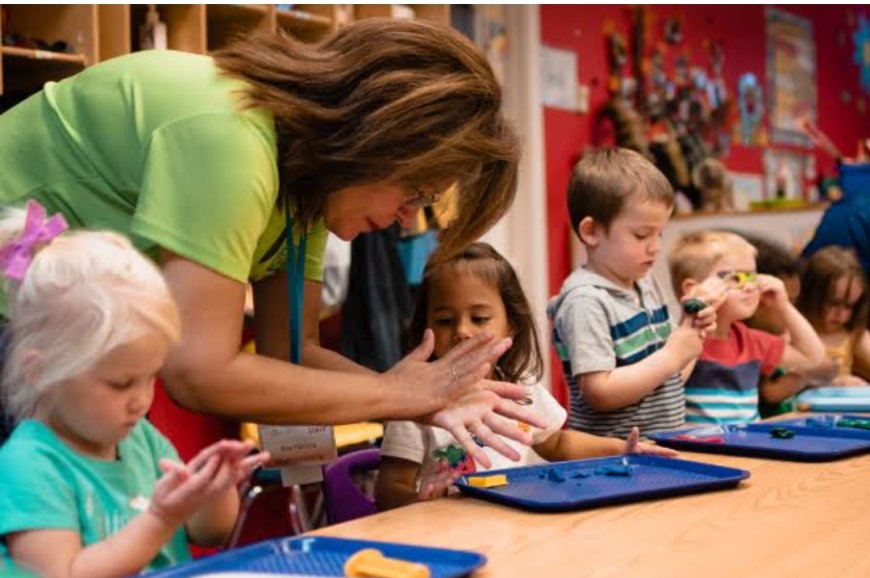
2. Focus on Early Childhood Education
Early learning is given importance through:
Pre-school education
Activity-based learning
3. Multilingual Education
Children are encouraged to learn in their mother tongue or regional language in early years.
4. Skill-Based Learning
Education is not limited to textbooks. It includes:
Practical skills
Vocational training
Critical thinking
5. Digital Learning
Use of technology is promoted through:
Online education
Smart classrooms
Digital resources
Right to Education Act (RTE)
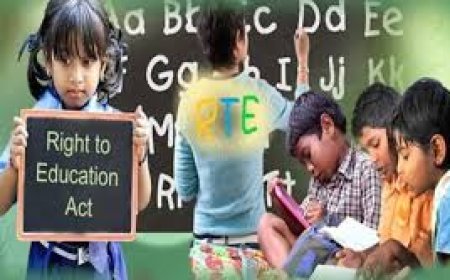
The Right to Education Act 2009 ensures free and compulsory education for children aged 6 to 14 years.
Key Provisions
Free education in government schools
No discrimination
Improved school infrastructure
This act is a major step toward universal education.
Objectives of Children Education Policy
The main objectives include:
Universal access to education
Quality learning for all
Development of skills and values
Reduction of dropout rates
Importance of Children Education Policy
1. Equal Opportunities
Ensures that all children, regardless of background, can study.
2. National Development
Educated children become responsible citizens.
3. Poverty Reduction
Education helps break the cycle of poverty.
4. Social Development
Promotes equality and social harmony.
Government Initiatives
The government of India has introduced various programs:
1. Sarva Shiksha Abhiyan
Universal elementary education
2. Mid-Day Meal Scheme
Provides food to students
Encourages school attendance
3. Digital India Initiative
Promotes digital education
4. Beti Bachao Beti Padhao
Encourages education of girls
Role of Teachers
Teachers play a key role in implementing education policies.
Guide and support students
Use innovative teaching methods
Promote moral values
Their role is crucial in shaping young minds.
Challenges in Implementation
Despite strong policies, challenges remain:
1. Lack of Infrastructure
Many schools lack proper facilities.
2. Teacher Shortage
Insufficient number of trained teachers.
3. Dropout Rates
Children leave school due to poverty or family issues.
4. Digital Divide
Not all students have access to technology.
Role of Technology in Education
Technology is transforming education:
Online classes
Educational apps
Virtual classrooms
It helps reach remote areas and improve learning.
Inclusive Education
Policies focus on including all children:
Children with disabilities
Economically weaker sections
Rural and tribal communities
Inclusive education ensures equal learning opportunities.
Vocational Education
Skill development is an important part of policy.
Training in practical skills
Preparation for employment
Encouragement of entrepreneurship
Impact on Society
Children education policies have a positive impact:
Increased literacy rates
Better job opportunities
Economic growth
Social progress
Future of Education in India
The future looks promising with:
Advanced technology
Improved policies
Increased awareness
Education will become more flexible and skill-oriented.
Suggestions for Improvement
To improve children education in India:
Increase investment in education
Improve teacher training
Expand digital access
Focus on rural areas
Conclusion
Children education policies in India, especially the National Education Policy 2020, aim to provide quality, inclusive, and modern education.
With laws like the Right to Education Act 2009 and various government initiatives, India is moving toward universal education.
In conclusion, strong education policies are essential for building a knowledgeable, skilled, and progressive nation. Continuous efforts are needed to overcome challenges and ensure that every child gets the opportunity to learn and succeed.