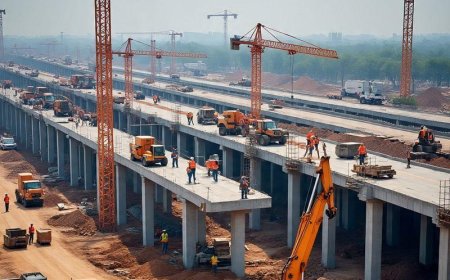
Infrastructure is the backbone of a nation’s economic growth and development
1. Introduction New infrastructure in India refers to the rapid expansion and modernization of physical and digital systems that support economic activities and improve the quality of life. From highways and railways to smart cities and digital networks, India is investing heavily in infrastructure.
 Avya7800
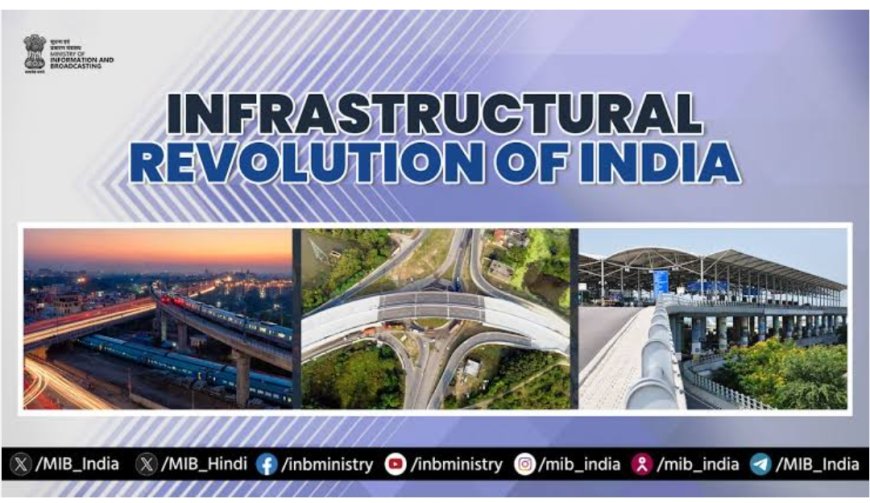
2. Importance of Infrastructure
Infrastructure development is essential for:
Economic growth
Job creation
Improved connectivity
Better living standards
Efficient infrastructure reduces costs, increases productivity, and attracts investment.
3. Road and Highway Development
India has one of the largest road networks in the world, and it is expanding rapidly.
Major Initiative:
Bharatmala Pariyojana
Key Features:
Development of national highways
Economic corridors
Border and coastal roads
Achievements:
Thousands of kilometers of highways constructed
Faster travel and improved logistics
Road infrastructure plays a vital role in connecting rural and urban areas.
4. Railway Modernization
Railways are a lifeline of India’s transport system.
Key Organization:
Indian Railways
Major Developments:
Electrification of railway lines
Introduction of semi-high-speed trains like Vande Bharat Express
Station redevelopment projects
Dedicated Freight Corridors:
Faster movement of goods
Reduced congestion
Railway modernization improves efficiency and passenger experience.
5. Metro Rail and Urban Transport
Urban transportation has improved significantly.
Key Developments:
Expansion of metro rail networks in cities
Introduction of electric buses
Smart traffic management systems
Cities like Delhi, Mumbai, and Bangalore have extensive metro systems.
Metro rail reduces traffic congestion and pollution.
6. Airports and Aviation Growth
India’s aviation sector is growing rapidly.
Key Initiative:
UDAN Scheme
Achievements:
Development of new airports
Expansion of existing airports
Improved regional connectivity
Air travel is becoming more accessible to the common people.
7. Ports and Waterways
Ports and waterways are crucial for trade.
Major Initiative:
Sagarmala Programme
Key Features:
Modernization of ports
Development of coastal infrastructure
Promotion of inland waterways
These projects improve trade efficiency and reduce logistics costs.
8. Energy Infrastructure
Energy is essential for development.
Key Developments:
Expansion of power generation
Growth of renewable energy (solar, wind)
Rural electrification
India is focusing on clean energy to reduce environmental impact.
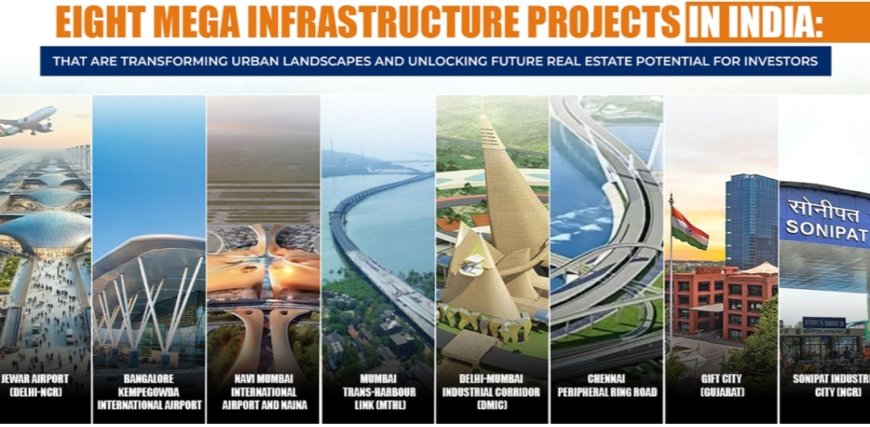
9. Digital Infrastructure
Digital infrastructure is transforming India.
Major Initiative:
Digital India
Key Features:
High-speed internet connectivity
Digital payments
E-governance services
Programs like BharatNet aim to connect rural areas to the internet.
10. Smart Cities Mission
Urban development is a key focus area.
Major Initiative:
Smart Cities Mission
Features:
Smart governance
Sustainable infrastructure
Improved public services
Cities are becoming more livable and efficient.
11. Housing and Urban Development
Housing is an important part of infrastructure.
Key Scheme:
Pradhan Mantri Awas Yojana
Achievements:
Affordable housing for millions
Slum redevelopment
Improved urban planning
This ensures better living conditions for citizens.
12. Industrial Infrastructure
Industrial growth requires strong infrastructure.
Key Initiative:
Make in India
Developments:
Industrial corridors
Special Economic Zones (SEZs)
Logistics parks
These initiatives attract investment and create jobs.
13. Rural Infrastructure Development
Rural development is essential for inclusive growth.
Key Programs:
Rural roads (PMGSY)
Irrigation projects
Electrification
Improved rural infrastructure enhances agricultural productivity and living standards.
14. Environmental Sustainability
Infrastructure development must be sustainable.
Key Focus:
Green buildings
Renewable energy
Water conservation
India is balancing development with environmental protection.
15. Challenges in Infrastructure Development
Despite progress, challenges remain:
Major Issues:
Land acquisition problems
Environmental concerns
Funding constraints
Project delays
Addressing these challenges is essential for faster development.
16. Role of Private Sector
Private companies play a crucial role.
Contributions:
Investment in infrastructure
Public-private partnerships (PPP)
Innovation and efficiency
Collaboration between government and private sector is key to success.
17. Impact on Economy
Infrastructure development boosts the economy.
Benefits:
Increased GDP growth
Job creation
Improved trade and investment
It also enhances India’s global competitiveness.
18. Future of Infrastructure in India
The future looks promising.
Key Trends:
High-speed rail projects
Expansion of renewable energy
Smart infrastructure
Digital transformation
India aims to become a global infrastructure leader.
Conclusion
The new infrastructure development in India represents a major transformation that is shaping the country’s future. From highways and railways to digital networks and smart cities, India is building a strong foundation for economic growth and social development.