Poverty remains one of the most serious challenges facing India today
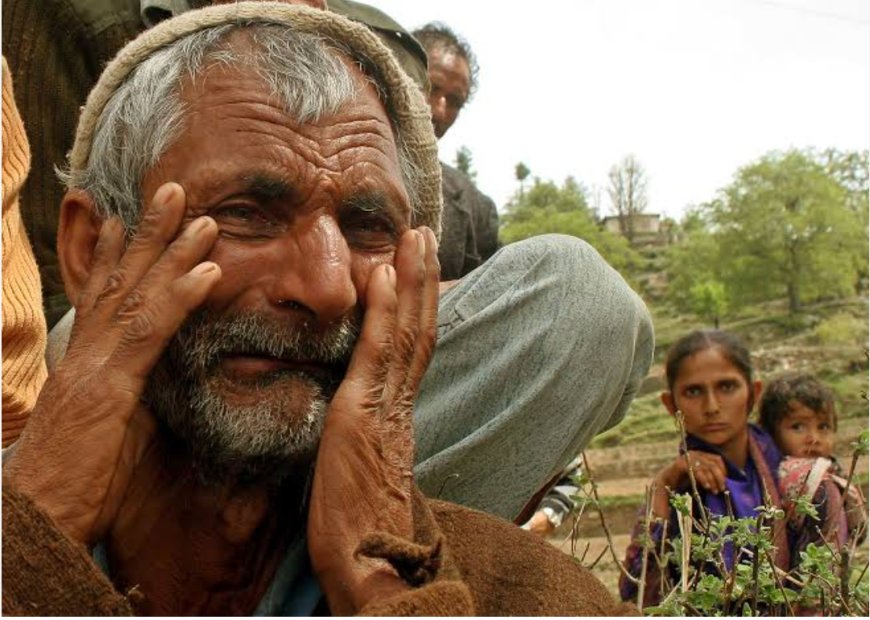
Despite rapid economic growth and development, a significant portion of the population continues to live below the poverty line. The crisis of poverty is not only about lack of income but also involves deprivation of basic needs such as food, education, healthcare, and shelter.
 Avya7800
1. Introduction
India, one of the fastest-growing economies in the world, faces the paradox of wealth and poverty existing side by side. While cities are developing rapidly, many rural areas still struggle with poor living conditions.
The framework of addressing poverty is guided by the Constitution of India, which aims to ensure equality and social justice for all citizens.
2. Meaning of Poverty
Poverty refers to a condition where individuals are unable to meet their basic needs.
Types of Poverty:
Absolute Poverty: Lack of minimum resources for survival
Relative Poverty: Inequality compared to others
Multidimensional Poverty: Includes lack of education, health, and living standards
In India, poverty is often measured based on income and consumption levels.
3. Causes of Poverty in India
(a) Unemployment
Unemployment is a major cause of poverty.
Lack of job opportunities
Seasonal employment in agriculture
Underemployment
Without stable income, people cannot meet basic needs.
(b) Population Growth
Rapid population growth increases pressure on resources.
Limited jobs and resources
Increased demand for food, housing, and services
This contributes to poverty.
(c) Lack of Education
Education is essential for economic progress.
Illiteracy limits job opportunities
Lack of skills reduces earning capacity
Education is key to breaking the poverty cycle.
(d) Agricultural Dependence
A large population depends on agriculture.
Low productivity
Dependence on monsoon
Small land holdings
Farmers often face financial instability.
(e) Inequality
Economic and social inequalities worsen poverty.
Unequal distribution of wealth
Marginalization of certain communities
Inequality leads to unequal opportunities.
(f) Inflation
Rising prices affect the poor the most.
Cost of living increases
Reduced purchasing power
This pushes more people into poverty.
4. Impact of Poverty
(a) Malnutrition
Poor people cannot afford nutritious food.
Stunted growth in children
Weak immunity
(b) Poor Health
Lack of healthcare leads to:
Diseases
High mortality rates
(c) Lack of Education
Children from poor families often drop out of school.
Child labor
Limited future opportunities
(d) Social Problems
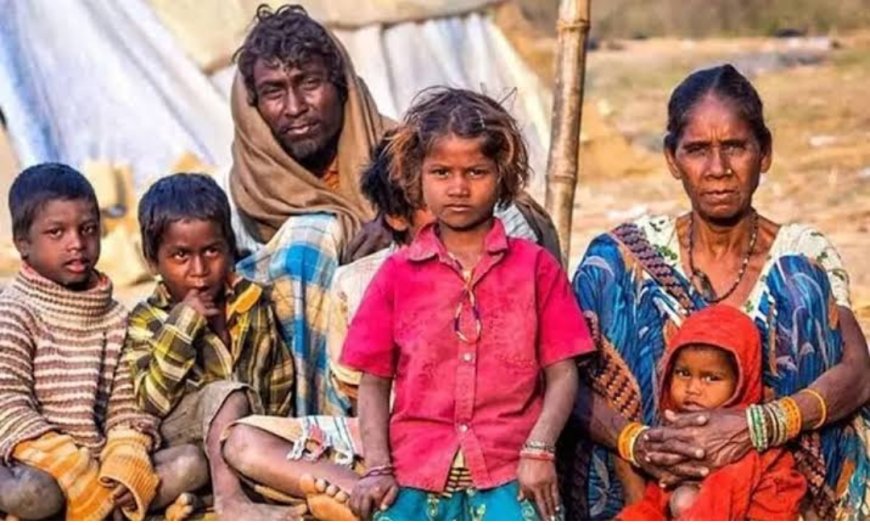
Poverty leads to:
Crime
Child marriage
Exploitation
5. Rural Poverty
Rural areas face higher poverty levels.
Reasons:
Dependence on agriculture
Lack of infrastructure
Limited job opportunities
6. Urban Poverty
Urban poverty is also increasing.
Issues:
Slum living conditions
High cost of living
Unemployment
7. Government Measures to Reduce Poverty
The Government of India has launched several schemes.
(a) Employment Programs
MGNREGA: Provides rural employment
(b) Food Security
Public Distribution System (PDS)
(c) Housing
Pradhan Mantri Awas Yojana
(d) Financial Inclusion
Jan Dhan Yojana
These programs aim to reduce poverty and improve living standards.
8. Role of Education in Poverty Reduction
Education helps in:
Skill development
Better job opportunities
Awareness
Investing in education is essential for reducing poverty.
9. Role of Economic Growth
Economic growth can reduce poverty.
Benefits:
Job creation
Increased income
Improved infrastructure
However, growth must be inclusive.
10. Role of Technology
Technology helps in poverty reduction.
Examples:
Digital payments
Online education
Access to information
Technology improves efficiency and opportunities.
11. Challenges in Poverty Reduction
Despite efforts, challenges remain:
Issues:
Corruption
Poor implementation of schemes
Lack of awareness
12. Poverty and Gender Inequality
Women are more affected by poverty.
Reasons:
Limited job opportunities
Wage inequality
Social restrictions
Empowering women is key to reducing poverty.
13. Poverty and Children
Children suffer the most.
Issues:
Malnutrition
Lack of education
Child labor
Protecting children is essential for future development.
14. Measures to Overcome Poverty
Key Solutions:
Improving education
Creating employment
Strengthening social welfare
Promoting entrepreneurship
A multi-dimensional approach is required.
15. Future Outlook
India has the potential to reduce poverty.
Positive Trends:
Economic growth
Government initiatives
Technological advancements
With proper policies, poverty can be significantly reduced.
Conclusion
The crisis of poverty in India is a complex issue that affects millions of people. While the country has made significant progress in reducing poverty, challenges still remain.
Efforts by the government, society, and individuals are crucial to addressing this problem. Poverty is not just an economic issue—it is a social and moral challenge that requires collective action