The weather of India is primarily influenced by the Monsoon
India has one of the most diverse and complex weather systems in the world. Due to its vast size, varied topography, and geographical location, the country experiences a wide range of climatic conditions—
 Avya7800
1. Meaning of Weather and Climate
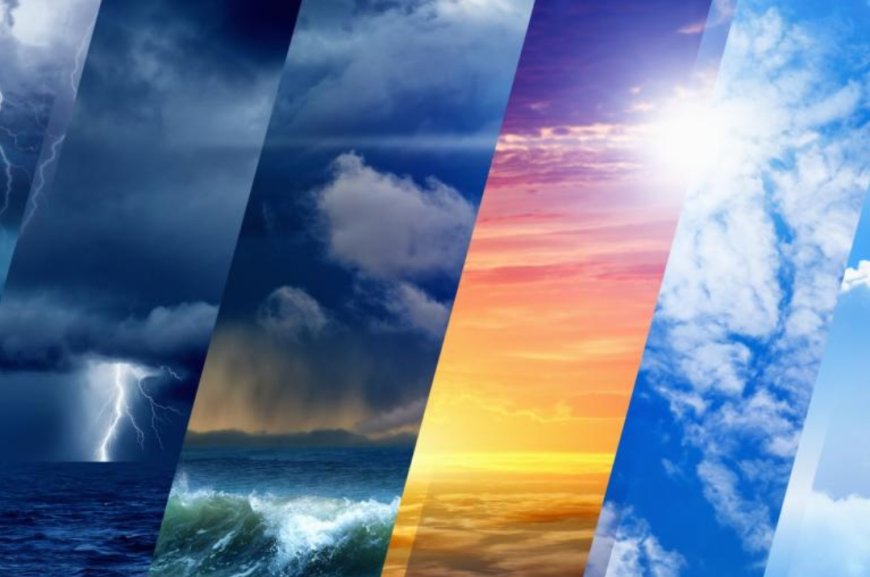
Weather refers to the day-to-day condition of the atmosphere, including temperature, rainfall, humidity, and wind. Climate, on the other hand, is the average weather condition of a place over a long period.
India’s climate is often described as “tropical monsoon type,” meaning it is largely controlled by seasonal winds and rainfall patterns.
2. Factors Affecting Indian Weather
Several geographical and environmental factors influence India’s weather:
(a) Latitude
The Tropic of Cancer divides India into tropical and subtropical regions. Southern India experiences a more tropical climate, while northern India has more variation in temperature.
(b) The Himalayas
The Himalayas play a crucial role:
Block cold winds from Central Asia
Force monsoon winds to release rainfall
Create climatic differences between north and south
(c) Distance from the Sea
Coastal areas have moderate climates due to the sea’s influence, while inland areas experience extreme temperatures.
(d) Altitude
Higher altitude areas like Ladakh have colder climates, while plains are warmer.
(e) Relief and Topography
Mountains, plateaus, and plains affect wind patterns, rainfall, and temperature distribution.
3. Seasons of India
India mainly experiences four seasons:
(a) Winter Season (December to February)
Cold weather in northern regions
Snowfall in the Himalayas
Pleasant climate in southern India
Temperatures can drop below freezing in northern areas, while southern regions remain mild.
(b) Summer Season (March to May)
High temperatures, especially in northern and central India
Hot winds called “loo” blow across plains
Temperatures can exceed 45°C
This is the hottest period of the year.
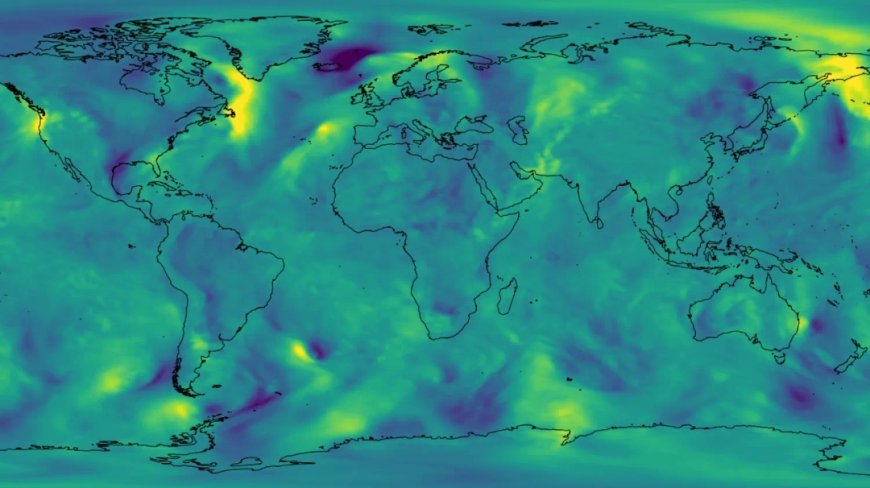
(c) Monsoon Season (June to September)
This is the most important season for India.
Heavy rainfall across most regions
Agriculture depends heavily on this rainfall
About 75% of annual rainfall occurs during this period
The monsoon has two branches:
Arabian Sea branch
Bay of Bengal branch
(d) Retreating Monsoon (October to November)
Decreasing rainfall
Pleasant weather
Rainfall in southeastern India (especially Tamil Nadu)
4. Monsoon System in India
The Monsoon is the most defining feature of Indian weather.
Southwest Monsoon
Begins in June
Brings heavy rainfall
Crucial for crops like rice
Northeast Monsoon
Occurs in October–December
Affects southeastern coast
Monsoon failure can lead to drought, while excessive rainfall can cause floods.
5. Regional Variations in Weather
India’s weather varies greatly across regions:
(a) Northern Plains
Hot summers
Cold winters
Moderate rainfall
(b) Western Desert
The Thar Desert:
Very hot summers
Low rainfall
Extreme temperature variations
(c) Coastal Regions
Moderate climate
High humidity
Heavy rainfall
(d) Northeastern Region
Very high rainfall
Places like Cherrapunji receive some of the highest rainfall in the world
(e) Mountain Regions
Cold climate
Snowfall in winter
Short summers
6. Temperature Patterns
India experiences a wide range of temperatures:
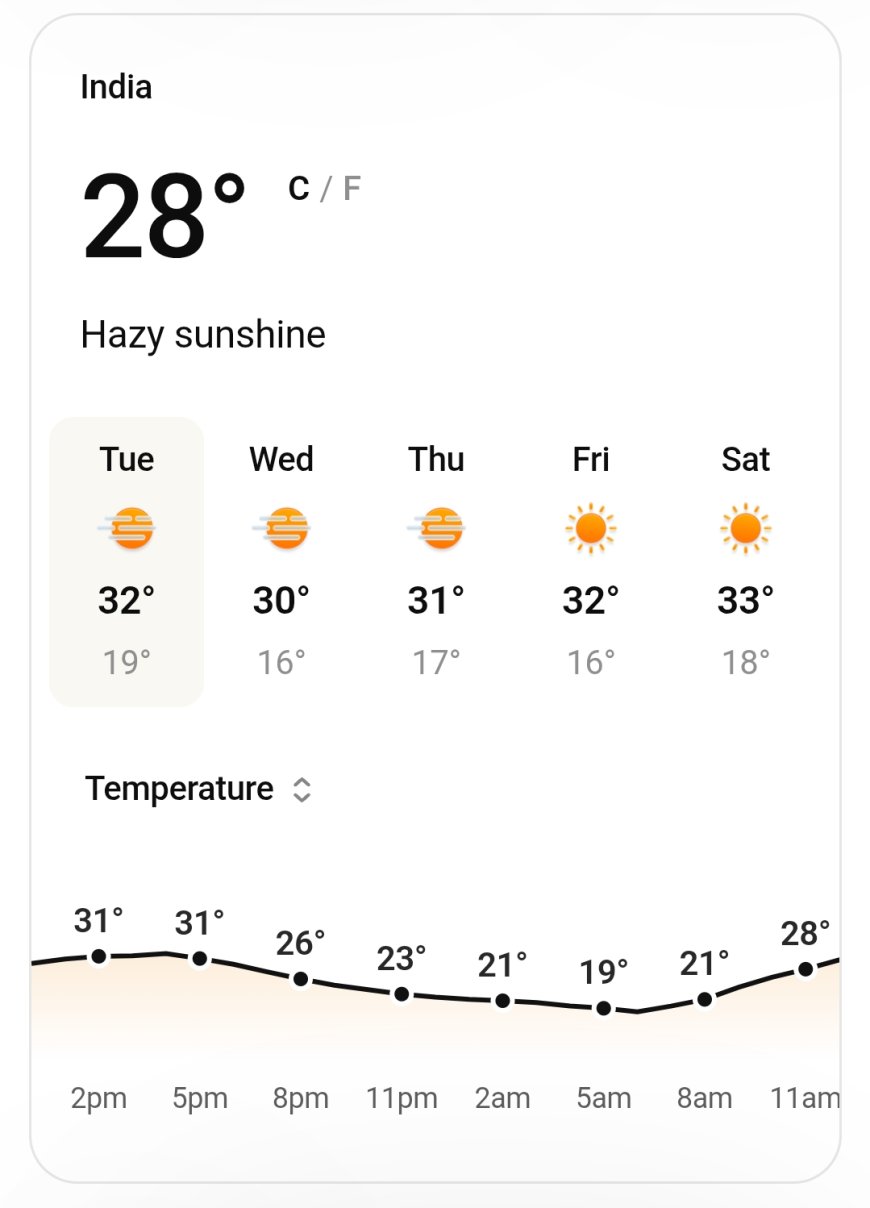
Summers: up to 50°C in some areas
Winters: below 0°C in northern mountains
Temperature varies depending on:
Latitude
Altitude
Distance from the sea
7. Rainfall Distribution
Rainfall is uneven across India:
Heavy rainfall: Western Ghats, Northeast India
Moderate rainfall: Northern plains
Low rainfall: Rajasthan, parts of Gujarat
Some areas receive more than 400 cm annually, while others get less than 50 cm.
8. Local Weather Phenomena
India experiences several unique local weather conditions:
Loo: Hot winds in summer
Kalbaisakhi: Thunderstorms in eastern India
Mango showers: Pre-monsoon rains in South India
Western disturbances: Winter rains in north India
These phenomena affect agriculture and daily life.
9. Extreme Weather Events
India frequently faces extreme weather:
Floods
Droughts
Cyclones
Heatwaves
For example, cyclones often affect coastal regions, especially in the Bay of Bengal.
10. Climate Change Impact
Climate change is affecting Indian weather patterns:
Rising temperatures
Irregular rainfall
More extreme weather events
12. Role of Weather in Indian Life
Weather plays a major role in India:
(a) Agriculture
Farmers depend on monsoon rains for crops.
(b) Economy
Rainfall affects food production and prices.
(c) Daily Life
Weather influences clothing, housing, and lifestyle.
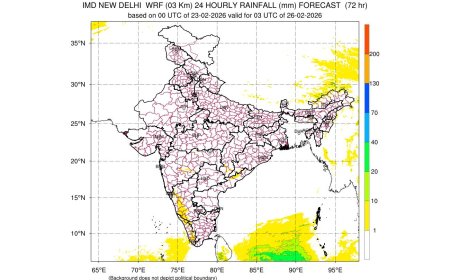
13. Weather Forecasting in India
The India Meteorological Department is responsible for:
Weather forecasting
Cyclone warnings
Climate research
Accurate forecasts help in disaster management and agriculture planning.
14. Importance of Indian Weather System
India’s weather system is important because:
It supports agriculture
Maintains ecosystems
Influences biodiversity
Affects economic growth
15. Challenges of Indian Weather
Unpredictable monsoon
Increasing extreme events
Water scarcity
Urban heat islands
These challenges require better planning and sustainable practices.
Conclusion
Indian weather is a complex and dynamic system shaped by geography, monsoons, and global climatic factors. From the icy Himalayas to the hot deserts and rainy coasts, India experiences a wide range of weather conditions.