💧 Water Crisis in India – Detailed Description
Here is a detailed and well-structured description of the water crisis in India, written in simple and informative language.
 Avya7800
Introduction
Water is one of the most essential natural resources for life. It is necessary for drinking, agriculture, industry, and maintaining ecosystems. In a country like India, where a large population depends on agriculture and natural resources, water plays a crucial role.
However, India is currently facing a serious water crisis, which is affecting millions of people across urban and rural areas. The demand for water is increasing rapidly, while the availability of clean water is decreasing.
📊 Understanding the Water Crisis
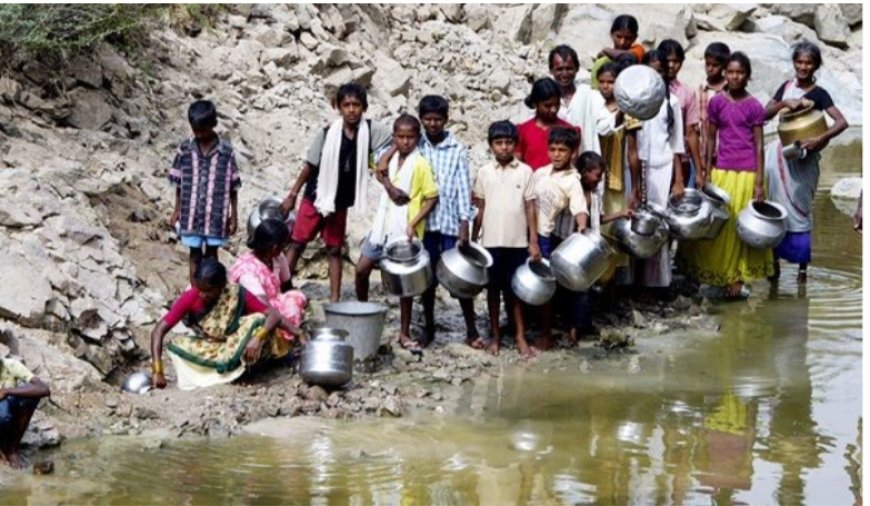
The water crisis refers to the shortage of safe and sufficient water to meet the needs of people. It includes:
Lack of drinking water
Depletion of groundwater
Pollution of water sources
Unequal distribution
🌧️ Uneven Rainfall Distribution
India depends heavily on the monsoon.
Problems:
Uneven rainfall across regions
Some areas face floods, others droughts
Irregular monsoon patterns
This creates imbalance in water availability.
🌡️ Impact of Climate Change
Climate change has worsened the situation.
Effects:
Rising temperatures
Reduced rainfall in some areas
Increased evaporation
This leads to water scarcity.
🚜 Overuse of Groundwater
Groundwater is a major source of water in India.
Issues:
Excessive pumping for irrigation
Declining water table
Lack of regulation
Many regions are facing severe groundwater depletion.
🌾 Agricultural Demand
Agriculture consumes the largest share of water.
Problems:
Water-intensive crops like rice and sugarcane
Inefficient irrigation methods
This leads to wastage of water.
🏙️ Urbanization and Population Growth
Rapid urbanization increases water demand.
Challenges:
Growing population
Increased domestic and industrial use
Pressure on water supply systems
Cities face frequent water shortages.
🏭 Industrial Pollution
Industries pollute water sources.
Effects:
Contamination of rivers and lakes
Unsafe drinking water
Harm to aquatic life
🚱 Poor Water Management
Lack of proper management worsens the crisis.
Issues:
Leakage in pipelines
Inefficient distribution
Lack of storage facilities
🌊 River Pollution
Many rivers in India are polluted.
Causes:
Sewage discharge
Industrial waste
Religious and domestic activities
This reduces the availability of clean water.
🏞️ Degradation of Water Bodies
Lakes, ponds, and wetlands are disappearing.
Reasons:
Urban development
Encroachment
Neglect
These water bodies are important for groundwater recharge.
🧴 Water Wastage
Water wastage is a major issue.
Examples:
Excessive use in households
Inefficient irrigation
Leakage
⚠️ Consequences of Water Crisis
🚰 Drinking Water Shortage
Millions of people lack access to clean drinking water.
🌾 Agricultural Impact
Crop failure
Reduced productivity
🏥 Health Problems
Waterborne diseases
Poor sanitation
⚖️ Economic Impact
Loss in agriculture
Increased cost of water supply
👨👩👧 Social Impact
Water scarcity leads to:
Conflicts between communities
Migration from rural areas
Increased burden on women
🏛️ Government Initiatives
The government of India has taken steps:
Jal Jeevan Mission
River cleaning programs
Rainwater harvesting promotion
However, challenges remain in implementation.
🌱 Solutions to Water Crisis
💧 1. Rainwater Harvesting
Collect and store rainwater
Recharge groundwater
🚿 2. Efficient Water Use
Use drip irrigation
Reduce wastage
🌾 3. Crop Diversification
Grow less water-intensive crops
🏭 4. Pollution Control
Treat industrial waste
Improve sewage systems
🏞️ 5. Protect Water Bodies
Restore lakes and ponds
Prevent encroachment
📢 6. Awareness
Educate people about water conservation
🔬 Role of Technology
Technology can help manage water resources:
Smart irrigation systems
Water recycling
Monitoring groundwater levels
🌍 Sustainable Water Management
Sustainable practices are essential:
Balance demand and supply
Protect natural resources
🧠 Role of Citizens
Every individual can help:
Save water at home
Fix leaks
Use water responsibly
🔮 Future Outlook
If proper measures are taken:
Water crisis can be reduced
Sustainable development can be achieved
Otherwise, the situation may worsen.
📌 Conclusion
The water crisis in India is a serious issue that affects health, agriculture, and the economy. It is caused by multiple factors such as climate change, overuse of groundwater, pollution, and poor management.
Solving this crisis requires collective efforts from the government, communities, and individuals. By adopting sustainable practices and conserving water, India can ensure a secure future for its people.