Human Body: A Comprehensive Overview
The human body is one of the most complex and fascinating systems in nature. It is made up of trillions of cells that work together in harmony to sustain life.
 Avya7800
1. Basic Structure of the Human Body
The human body is organized into different levels:
Cells
Cells are the smallest unit of life. The human body contains trillions of cells, each performing specific functions such as carrying oxygen, fighting infections, or forming tissues.
Tissues
A group of similar cells forms a tissue. There are four main types of tissues:
Epithelial tissue (covers surfaces)
Connective tissue (supports and binds)
Muscle tissue (helps movement)
Nervous tissue (transmits signals)
Organs
Organs are structures made up of different tissues that perform specific functions. For example, the heart pumps blood, and the lungs help in breathing.
Organ Systems
Multiple organs work together to form an organ system. These systems perform complex functions necessary for survival.
2. Major Organ Systems of the Human Body
1. Circulatory System
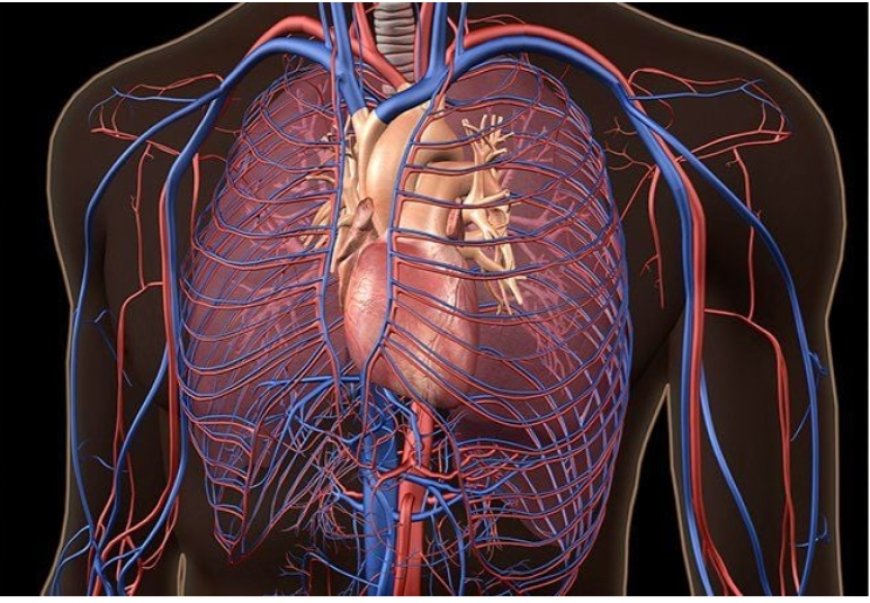
The circulatory system includes the heart, blood, and blood vessels. Its main function is to transport oxygen, nutrients, and hormones throughout the body.
The Blood Circulation process ensures that every cell receives the necessary nutrients and oxygen while removing waste products.
2. Respiratory System
This system is responsible for breathing. It includes the nose, trachea, and lungs.
The process of Respiration allows the body to take in oxygen and release carbon dioxide, which is essential for survival.
3. Digestive System
The digestive system breaks down food into nutrients that the body can absorb. It includes the mouth, stomach, intestines, and liver.
The process of Digestion converts food into energy, which is used for various bodily functions.
4. Nervous System
The nervous system controls and coordinates all activities of the body. It consists of the brain, spinal cord, and nerves.
The Central Nervous System plays a key role in thinking, memory, and decision-making.
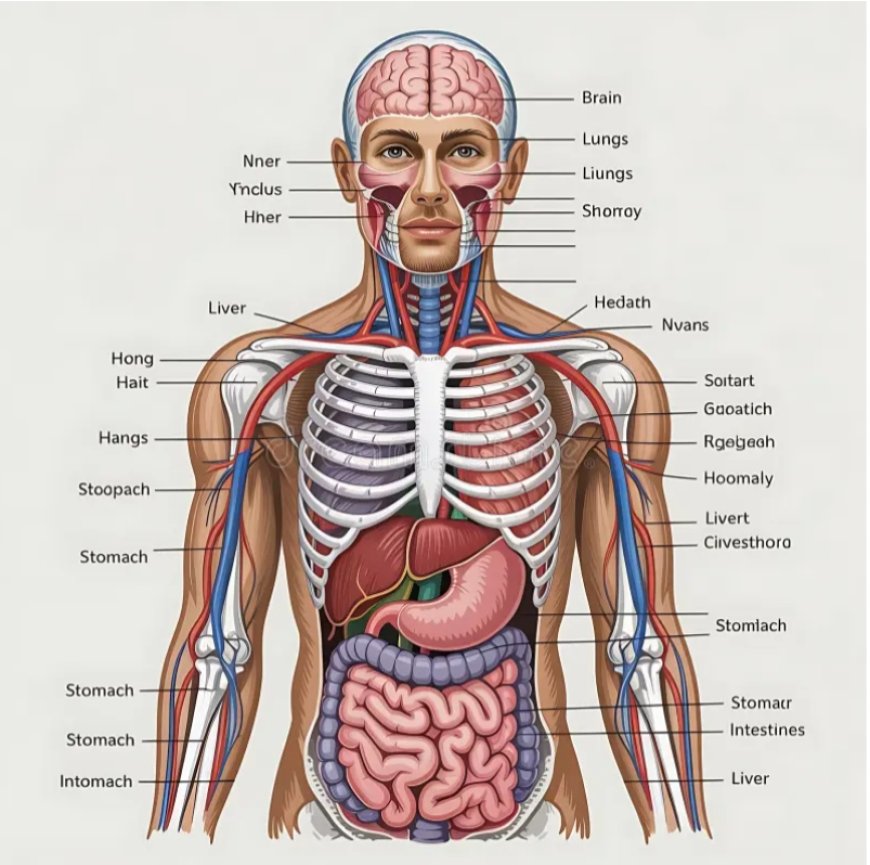
5. Skeletal System
The skeletal system provides structure and support to the body. It consists of bones and joints.
The Human Skeleton protects internal organs and helps in movement.
6. Muscular System
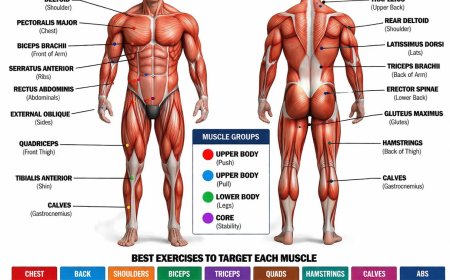
The muscular system allows the body to move. Muscles work in coordination with bones to perform actions like walking, running, and lifting.
There are three types of muscles:
Skeletal muscles
Smooth muscles
Cardiac muscles
7. Endocrine System
The endocrine system consists of glands that produce hormones. These hormones regulate growth, metabolism, and other functions.
For example, the thyroid gland controls metabolism, while the pancreas regulates blood sugar levels.
8. Immune System
The immune system protects the body from diseases and infections. It includes white blood cells, lymph nodes, and antibodies.
The concept of Immunity helps the body recognize and fight harmful pathogens.
9. Excretory System
This system removes waste products from the body. It includes the kidneys, liver, and skin.
The kidneys filter blood and produce urine, helping maintain the body’s internal balance.
10. Reproductive System
The reproductive system is responsible for producing offspring. It differs in males and females and includes organs that produce reproductive cells.
3. Functions of the Human Body
The human body performs several essential functions:
Metabolism
Metabolism includes all chemical reactions in the body that maintain life. It involves breaking down food and converting it into energy.
Growth and Development
The body grows and develops from infancy to adulthood through cell division and differentiation.
Movement
Movement is possible due to the coordination between muscles and bones.
Response to Stimuli
The body responds to changes in the environment through the nervous system.
Reproduction
The ability to reproduce ensures the continuation of the species.
4. Importance of the Brain
The brain is the control center of the human body. It processes information, controls movements, and regulates emotions.
Different parts of the brain have specific functions:
Cerebrum: Thinking and memory
Cerebellum: Balance and coordination
Brainstem: Basic life functions like breathing
5. Blood and Its Components
Blood is a vital fluid that transports substances throughout the body. It consists of:
Red blood cells (carry oxygen)
White blood cells (fight infections)
Platelets (help in clotting)
Plasma (liquid part of blood)
6. Human Body and Health
Maintaining a healthy body is essential for a good life. Key factors include:
Balanced Diet
A diet rich in proteins, carbohydrates, fats, vitamins, and minerals is necessary for proper functioning.
Exercise
Regular physical activity keeps the body fit and prevents diseases.
Hygiene
Good hygiene practices help prevent infections.
Sleep
Adequate sleep is essential for recovery and overall well-being.
7. Common Diseases
The human body can be affected by various diseases such as:
Diabetes
Hypertension
Heart Disease
These diseases can often be prevented or managed through a healthy lifestyle.
8. Amazing Facts About the Human Body
The human brain contains about 86 billion neurons.
The heart beats around 100,000 times a day.
The skin is the largest organ of the body.
Bones are stronger than steel of the same density.
Conclusion
The human body is an incredible system made up of interconnected parts working together to sustain life. From the smallest cells to complex organ systems, every component plays a crucial role. Understanding the human body helps us appreciate its complexity and take better care of our health.