
Junk or Fast Food: Harmful Effects in India
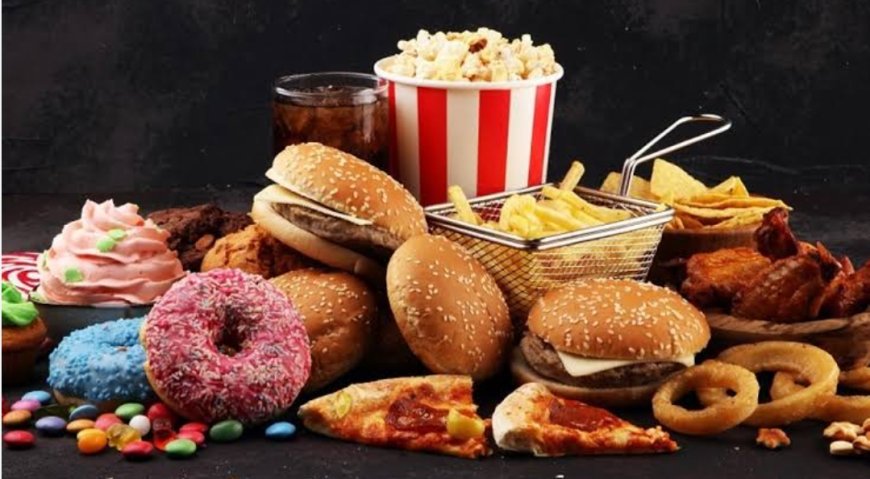
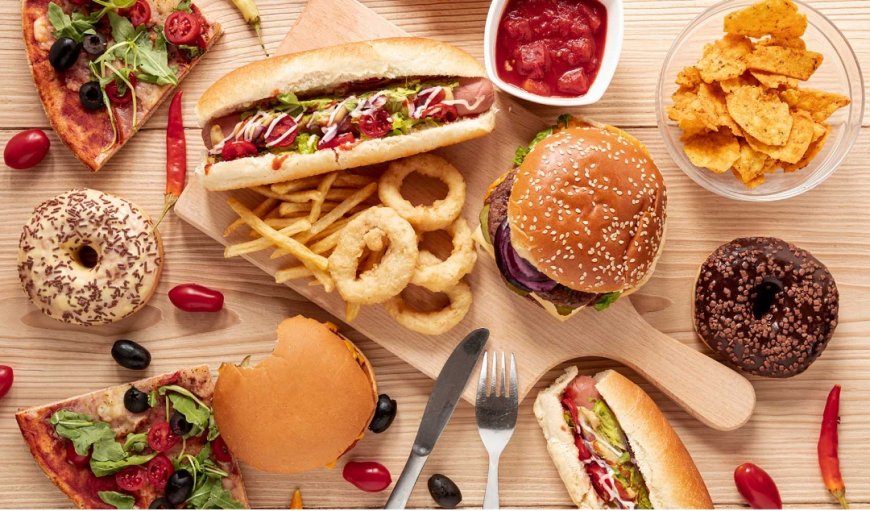
Junk food refers to food that is high in calories, sugar, salt, and unhealthy fats but low in essential nutrients like vitamins, minerals, and fiber. Examples include burgers, pizzas, chips, sugary drinks, instant noodles, and fried snacks.
 Avya7800
1. Growth of Fast Food Culture in India
India’s traditional diet was once based on fresh, home-cooked meals. However, factors like:
Urbanization
Rising income levels
Busy work schedules
Influence of Western culture
have led to the rapid growth of fast food consumption.
Food delivery apps like Zomato and Swiggy have made junk food available at the click of a button, further increasing its consumption.
2. Nutritional Problems of Junk Food
Junk food lacks essential nutrients and is harmful due to:
(a) High Calories
Fast food contains excessive calories, leading to weight gain.
(b) High Sugar Content
Sugary drinks and desserts increase the risk of diabetes.
(c) High Salt Content
Excess salt can raise blood pressure.
(d) Unhealthy Fats
Trans fats and saturated fats increase cholesterol levels.
3. Health Effects of Junk Food
(a) Obesity
One of the biggest problems caused by junk food is Obesity. Regular consumption leads to:
Weight gain
Reduced physical fitness
Increased risk of other diseases
Childhood obesity is also rising rapidly in India.
(b) Diabetes
India is often called the “diabetes capital of the world.” Junk food contributes to Type 2 Diabetes due to high sugar intake and poor diet habits.
(c) Heart Diseases
High fat and cholesterol levels from junk food increase the risk of Heart Disease. This includes:
Heart attacks
Blocked arteries
High blood pressure
(d) Digestive Problems
Low fiber content in junk food causes:
Constipation
Indigestion
Stomach issues
(e) Weak Immunity
Lack of vitamins and minerals weakens the immune system, making the body more prone to infections.
4. Impact on Children and Youth
Children are the most affected by junk food:
Increased obesity rates
Poor academic performance
Lack of concentration
Addiction to unhealthy foods
Marketing strategies by fast food companies attract children through advertisements, toys, and offers.
5. Mental Health Effects
Junk food not only affects physical health but also mental well-being:
Increased stress
Mood swings
Reduced brain function
Poor diet is linked to mental health conditions like:
Depression
Anxiety Disorder
Healthy food supports better brain function and emotional stability.
6. Lifestyle Diseases in India
The rise in junk food consumption has led to lifestyle diseases:
Obesity
Diabetes
Heart disease
These diseases are increasing not only in cities but also in rural areas.
7. Economic Impact
Health problems caused by junk food increase:
Medical expenses
Burden on healthcare system
Loss of productivity
Families spend more on treatment instead of savings.
8. Cultural Impact
India has a rich tradition of healthy, home-cooked meals. The rise of junk food is:
Reducing traditional food habits
Changing eating patterns
Weakening cultural values
Traditional foods are often healthier and more nutritious.
9. Environmental Impact
Fast food industry contributes to environmental problems:
Plastic packaging waste
Food wastage
Increased carbon footprint
This affects sustainability and ecological balance.
10. Addiction to Junk Food
Junk food is designed to be addictive:
High sugar and fat stimulate the brain
People crave more unhealthy food
It becomes difficult to switch to healthy diets
This addiction is similar to other harmful habits.
11. Government Initiatives in India
The Indian government is taking steps to control junk food consumption:
Awareness campaigns on healthy eating
Regulations on food labeling
School guidelines to limit junk food
Organizations like Food Safety and Standards Authority of India monitor food quality and safety.
12. Role of Schools and Parents
Schools:
Promote healthy meals
Ban junk food in canteens
Educate students about nutrition
Parents:
Encourage home-cooked food
Limit fast food consumption
Set healthy eating habits
13. Healthy Alternatives
Instead of junk food, people can choose:
Fresh fruits
Homemade snacks
Traditional Indian foods
Whole grains
Examples:
Idli instead of fried snacks
Fruits instead of sugary desserts
Home-cooked meals instead of fast food
14. Importance of Balanced Diet
A balanced diet includes:
Carbohydrates
Proteins
Healthy fats
Vitamins and minerals
It helps maintain:
Good health
Strong immunity
Proper growth
15. Tips to Avoid Junk Food
Plan meals in advance
Avoid frequent eating out
Read food labels
Drink more water
Stay physically active
Small lifestyle changes can make a big difference.
16. Awareness and Education
Public awareness is key to reducing junk food consumption. People must understand:
Nutritional value of food
Long-term health risks
Importance of healthy eating
Education can help individuals make better choices.
17. Future Outlook
India is at a critical stage where:
Junk food consumption is rising
Health awareness is also increasing
The future depends on:
Government policies
Public awareness
Individual choices
A shift toward healthy eating can improve the nation’s health.
Conclusion
Junk and fast food have become a major part of modern life in India, but their harmful effects cannot be ignored. From physical health issues like Obesity and Type 2 Diabetes to mental health problems like Depression, the impact is widespread and serious.
While convenience and taste make junk food attractive, its long-term consequences can damage both individuals and society. Returning to traditional, balanced, and nutritious diets is the key to a healthier future.