Lady Healthy Life in India: A Comprehensive Overview
A healthy life for women in India is not just about physical well-being—it is a holistic concept that includes mental, emotional, social, and reproductive health. Over the years, India has witnessed significant improvements in women’s health due to better awareness,
 Avya7800

1. Importance of Women’s Health
Women play a vital role in shaping families, communities, and the nation. A healthy woman contributes to a healthy family, as she is often responsible for caregiving, nutrition, and emotional support. In India, improving women’s health is directly linked to national development.
However, traditionally, women’s health has often been neglected due to social norms, gender inequality, and lack of awareness. Many women prioritize their family’s needs over their own, leading to long-term health issues.
2. Nutrition and Balanced Diet
Nutrition is the foundation of a healthy life. In India, many women suffer from malnutrition, anemia, and vitamin deficiencies.
Key Nutritional Needs:
Iron: Prevents anemia, common among Indian women
Calcium: Essential for strong bones, especially after menopause
Protein: Helps in muscle development and immunity
Vitamins (A, B, C, D): Support overall body functions
Healthy Indian Diet Includes:
Whole grains (wheat, rice, millets)
Pulses and legumes (dal, chickpeas)
Green leafy vegetables (spinach, fenugreek)
Fruits (banana, apple, mango)
Dairy products (milk, curd, paneer)
Challenges:
Lack of awareness about balanced diet
Cultural practices like women eating last in the family
Poverty and limited access to nutritious food
Government programs like POSHAN Abhiyaan aim to improve nutrition among women and children.
3. Physical Fitness and Exercise
Regular physical activity is essential for maintaining a healthy body and preventing diseases.
Benefits of Exercise:
Improves heart health
Helps in weight management
Reduces stress and anxiety
Strengthens muscles and bones
Popular Forms of Exercise in India:
Yoga
Walking and jogging
Cycling
Traditional dance forms (like Bharatanatyam, Zumba adaptations)
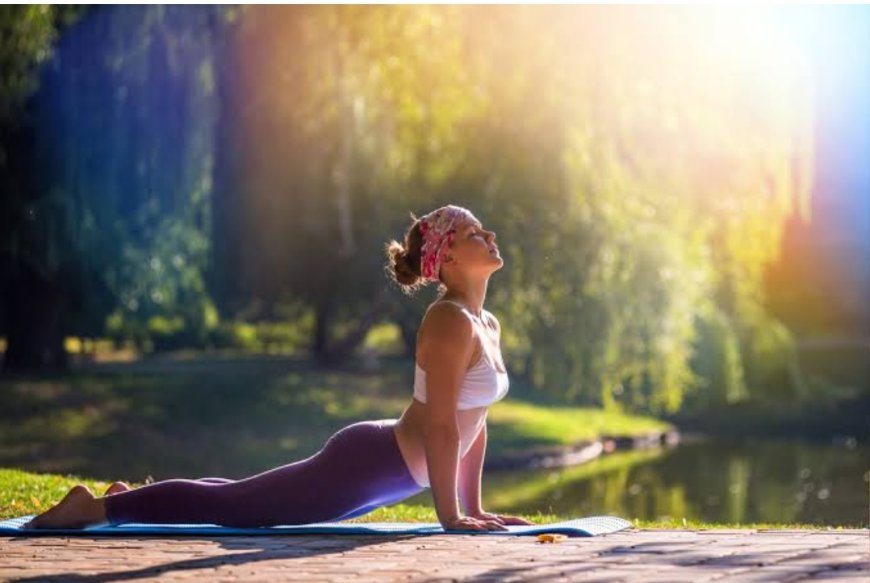
Yoga is especially beneficial as it combines physical movement with mental relaxation and breathing techniques.
4. Mental Health Awareness
Mental health is an often-overlooked aspect of women’s well-being in India.
Common Mental Health Issues:
Depression
Anxiety
Stress due to work-life balance
Postpartum depression
Causes:
Social pressure
Domestic responsibilities
Financial stress
Lack of emotional support
Solutions:
Counseling and therapy
Meditation and mindfulness
Family support
Open conversations about mental health
Awareness about mental health is increasing, but stigma still exists, especially in rural areas.
5. Reproductive and Maternal Health
Reproductive health is a critical component of a woman’s life.
Key Aspects:
Menstrual hygiene
Family planning
Pregnancy care
Safe childbirth
Government Initiatives:
Janani Suraksha Yojana: Promotes safe motherhood
Pradhan Mantri Matru Vandana Yojana: Provides financial support to pregnant women
Menstrual Hygiene:
Many women in rural India still lack access to sanitary products. Awareness campaigns are promoting the use of sanitary pads and menstrual cups.
6. Importance of Hygiene and Sanitation
Personal hygiene plays a crucial role in preventing diseases.
Essential Practices:
Regular handwashing
Clean drinking water
Proper sanitation facilities
Safe menstrual practices
The Swachh Bharat Abhiyan has improved access to toilets, especially for women in rural areas, enhancing their dignity and safety.
7. Lifestyle Diseases in Women
With modernization, lifestyle diseases are increasing among Indian women.
Common Diseases:
Diabetes
Hypertension
Obesity
Thyroid disorders
Causes:
Sedentary lifestyle
Unhealthy eating habits
Stress
Prevention:
Balanced diet
Regular exercise
Routine health check-ups
8. Role of Education and Awareness
Education empowers women to make informed decisions about their health.
Benefits of Education:
Better understanding of nutrition
Awareness of hygiene
Knowledge of reproductive health
Financial independence
Educated women are more likely to seek medical help and maintain a healthy lifestyle.
9. Healthcare Facilities in India
India has a mix of public and private healthcare systems.
Challenges:
Lack of healthcare facilities in rural areas
High cost of private healthcare
Shortage of female doctors
Improvements:
Expansion of primary health centers
Mobile health clinics
Telemedicine services
Government schemes like Ayushman Bharat provide affordable healthcare to millions of women.
10. Work-Life Balance
Modern Indian women often juggle multiple roles—professional, homemaker, and caregiver.
Challenges:
Stress and burnout
Lack of personal time
Workplace discrimination
Solutions:
Flexible work hours
Supportive family environment
Self-care practices
Maintaining a balance is essential for both physical and mental health.
11. Social and Cultural Factors
Social norms greatly influence women’s health in India.
Issues:
Early marriage
Gender discrimination
Domestic violence
These factors can negatively impact physical and mental well-being.
Positive Changes:
Increasing awareness about women’s rights
Government laws protecting women
Rise of women empowerment movements
12. Role of Government and NGOs
Various organizations work to improve women’s health in India.
Key Contributions:
Health awareness campaigns
Free medical camps
Nutrition programs
Women empowerment initiatives
NGOs play a crucial role in reaching remote areas where government services may not be sufficient.
13. Importance of Regular Health Check-ups
Preventive healthcare is essential for early detection of diseases.
Recommended Check-ups:
Blood tests
Breast examination
Cervical cancer screening
Bone density tests
Regular check-ups help in maintaining long-term health.
14. Digital Health and Technology
Technology is transforming healthcare access in India.
Examples:
Health apps for fitness tracking
Online doctor consultations
Awareness through social media
Women can now access health information easily, even in remote areas.
15. Self-Care and Personal Well-being
Self-care is essential for a healthy life.
Self-Care Practices:
Adequate sleep (7–8 hours)
Healthy diet
Regular exercise
Time for hobbies and relaxation
Women should prioritize their own health alongside their responsibilities.
Conclusion
A healthy life for women in India is a combination of proper nutrition, physical activity, mental well-being, reproductive care, and social support. While significant progress has been made, challenges like malnutrition, lack of awareness, and social barriers still persist.
Empowering women through education, improving healthcare access, and promoting awareness are key to building a healthier society. When women are healthy, families thrive, communities prosper, and the nation progresses.