Important facts of Eid al-Fitr
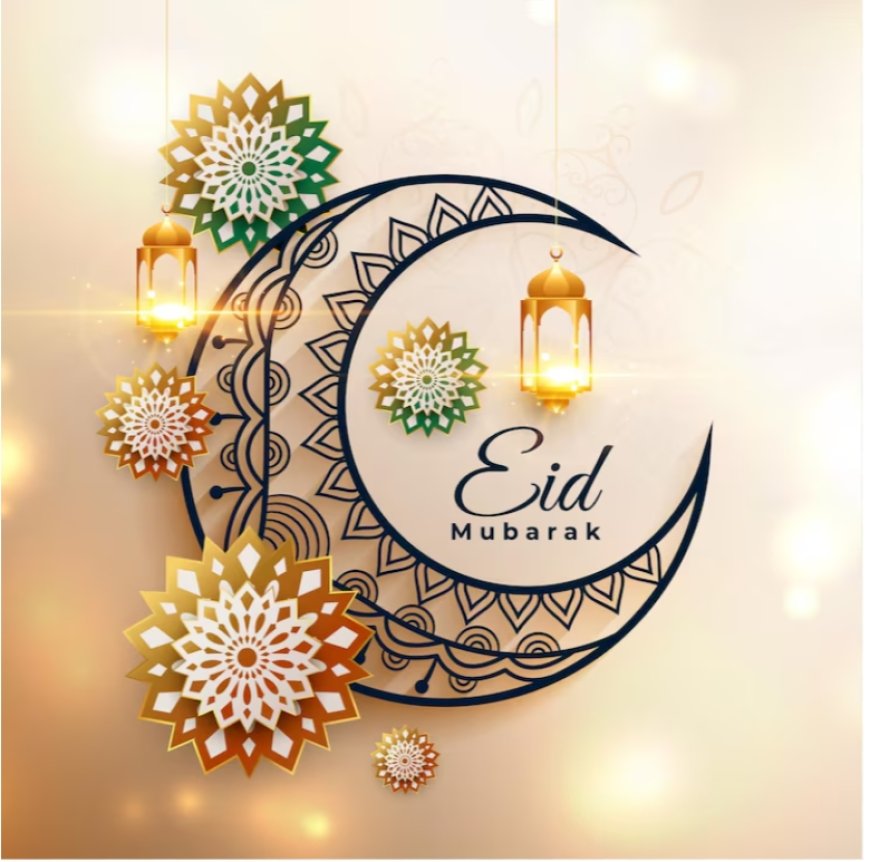
Eid al-Fitr, or the "Festival of Breaking the Fast," is a major Islamic holiday marking the end of Ramadan’s month-long dawn-to-sunset fasting. Key Aspects of Eid al-Fitr: Significance: It celebrates the completion of a month-long period of fasting, prayer, and spiritual reflection, allowing Muslims to break their fast and reward themselves for their dedication to Allah. Origin: The holiday was established by the Prophet Muhammad, with traditions originating from his time, often celebrated in Medina. Celebration & Traditions: Prayers: Muslims gather in mosques or open areas for a special congregational prayer. Charity: Giving to those in need (Zakat al-Fitr) is a mandatory act of charity. Festivities: People wear new clothes, visit family and friends, and exchange gifts or money (Eidi). Food: Families prepare special traditional, often sweet, dishes, leading to it being called "Sweet Eid". Greetings: The most common greeting is "Eid Mubarak" ("Blessed Eid") or "Eid Saeed" ("Happy Eid"). Timing: The date varies annually as it depends on the sighting of the new crescent moon, marking the start of Shawwal. Origin of Eid al-Fitr According to Islamic tradition, the festival was initiated by Prophet Muhammad to provide Muslims with days of celebration, replacing local festivals in Medina that were considered less spiritual. It represents a reward for successfully passing the spiritual and physical challenges of Ramadan.
 Avya7800
0
2