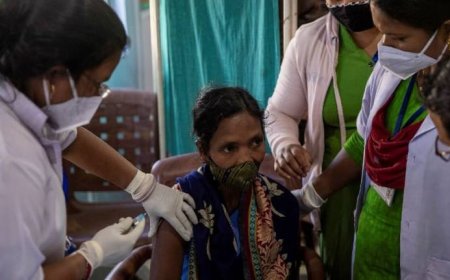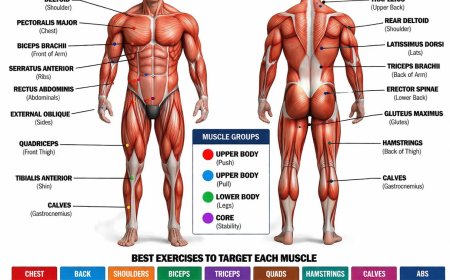
A healthy diet is essential for maintaining a strong body,
India, traditional food systems are deeply rooted in culture, climate, and science. The Indian diet is known for its diversity, use of natural ingredients, and balance of nutrients.
 Avya7800
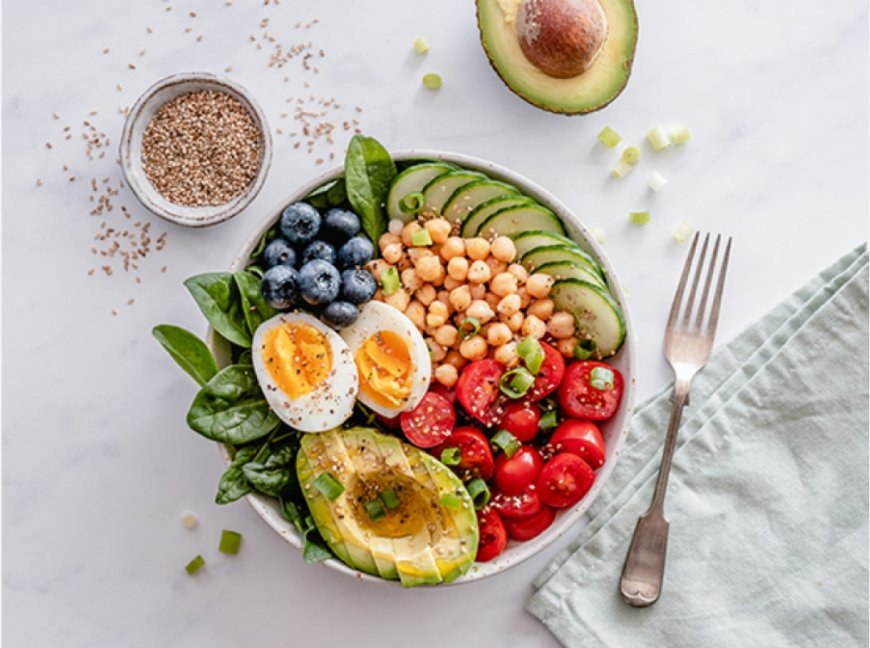
1. Concept of a Healthy Diet in India
A healthy Indian diet is not about strict restrictions but about balance, variety, and moderation. It includes:
Carbohydrates for energy
Proteins for growth and repair
Fats for energy and cell function
Vitamins and minerals for immunity
Fiber for digestion
The traditional Indian “thali” (meal plate) is a perfect example of a balanced diet, combining grains, pulses, vegetables, dairy, and sometimes meat.
2. Role of Ayurveda in Indian Diet
Ayurveda divides food based on three doshas:
Vata
Pitta
Kapha
According to Ayurveda, a healthy diet should match a person’s body type (prakriti), season, and environment. Foods are also classified as:
Satvik (pure, light, healthy)
Rajasic (spicy, stimulating)
Tamasic (heavy, processed)
A Satvik diet—rich in fruits, vegetables, whole grains, and dairy—is considered ideal for health.
3. Components of a Healthy Indian Diet
(a) Carbohydrates
Carbohydrates are the main energy source. Healthy Indian sources include:
Rice
Wheat (roti, chapati)
Millets like jowar, bajra, and ragi
Millets are gaining popularity due to their high fiber and nutrient content.
(b) Proteins
Proteins are essential for muscle building and repair. Indian diets include both vegetarian and non-vegetarian sources:
Vegetarian sources:
Lentils (dal)
Chickpeas
Kidney beans (rajma)
Paneer
Non-vegetarian sources:
Eggs
Fish
Chicken
(c) Healthy Fats
Fats are necessary but should be consumed in moderation. Healthy sources include:
Mustard oil
Coconut oil
Ghee (clarified butter)
Nuts and seeds
Traditional Indian cooking often uses natural fats, which are healthier than processed oils.
(d) Vitamins and Minerals
Fruits and vegetables provide essential nutrients:
Spinach, carrots, and tomatoes
Mango, banana, apple, and guava
These help boost immunity and prevent diseases.
(e) Fiber
Fiber improves digestion and prevents constipation. It is found in:
Whole grains
Fruits
Vegetables
Legumes
4. Importance of Regional Diversity
India’s geography influences its diet. Each region has unique healthy food traditions:
North India
Wheat-based diet (roti, paratha)
Dairy products like curd and paneer
South India
Rice-based diet (idli, dosa)
Coconut and curry leaves
East India
Rice and fish
Light and less oily dishes
West India
Millet-based foods
Balanced sweet and spicy flavors
This diversity ensures a wide range of nutrients.
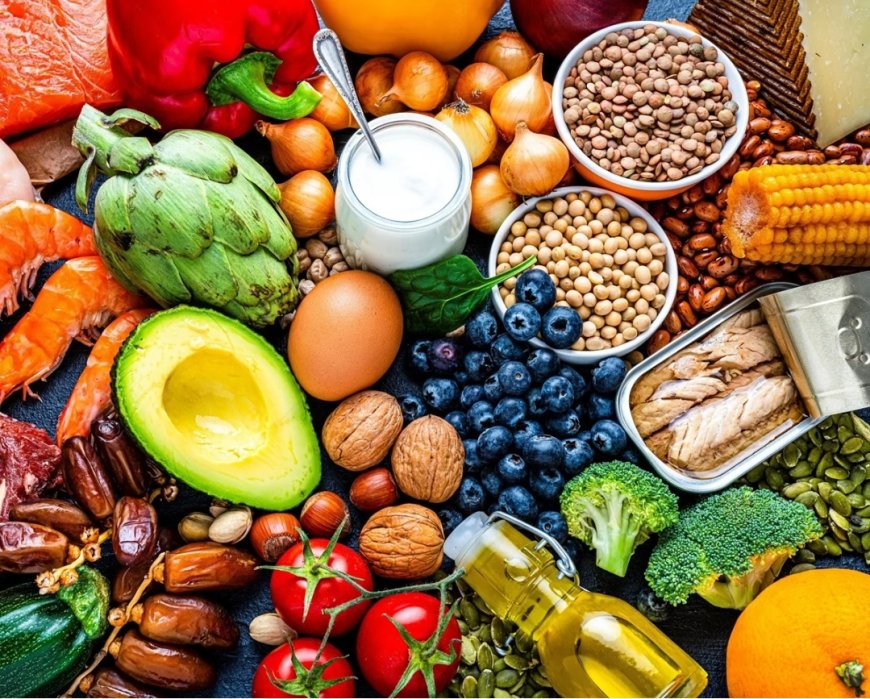
5. Traditional Indian Superfoods
India has many natural superfoods that promote health:
Turmeric (anti-inflammatory)
Ginger (improves digestion)
Garlic (boosts immunity)
Amla (rich in Vitamin C)
Tulsi (medicinal herb)
These are commonly used in Indian cooking and home remedies.
6. Importance of Spices
Indian spices are not just for flavor—they have health benefits:
Turmeric: anti-inflammatory
Cumin: aids digestion
Coriander: cooling effect
Black pepper: improves metabolism
The combination of spices makes Indian food both tasty and healthy.
7. Balanced Meal Structure
A typical healthy Indian meal includes:
Roti or rice (carbohydrates)
Dal or meat (protein)
Vegetables (vitamins and fiber)
Curd or buttermilk (probiotics)
Salad
This balance ensures complete nutrition.
8. Importance of Seasonal Eating
Indian diets emphasize eating according to seasons:
Summer: light foods, fruits, buttermilk
Winter: rich foods, nuts, ghee
Monsoon: easily digestible foods
Seasonal eating improves digestion and immunity.
9. Role of Hydration
Water is essential for health. In India, traditional drinks include:
Buttermilk
Coconut water
Herbal teas
These help maintain hydration and provide nutrients.
10. Healthy Cooking Methods
Indian cooking includes various methods:
Boiling
Steaming
Roasting
Light frying
Steaming (like idli) is one of the healthiest methods, while deep frying should be limited.
11. Common Dietary Practices
Healthy habits in Indian culture include:
Eating fresh home-cooked food
Avoiding overeating
Eating at regular times
Sitting down while eating
These habits improve digestion and overall health.
12. Modern Challenges
Despite traditional strengths, modern diets in India face challenges:
Increased junk food consumption
Processed and packaged foods
Sedentary lifestyle
These lead to health issues like:
Diabetes
Obesity
Heart Disease
13. Tips for a Healthy Indian Diet
Eat more fruits and vegetables
Choose whole grains over refined grains
Reduce sugar and salt intake
Use less oil
Include protein in every meal
Stay physically active
14. Vegetarian vs Non-Vegetarian Diet
Both diets can be healthy if balanced:
Vegetarian diet: rich in fiber and low in fat
Non-vegetarian diet: high-quality protein
The key is moderation and variety.
15. Importance of Mindful Eating
Mindful eating means:
Eating slowly
Chewing properly
Avoiding distractions
This improves digestion and prevents overeating.
Conclusion
The Indian healthy diet is a perfect blend of tradition, nutrition, and balance. Rooted in ancient wisdom like Ayurveda, it promotes holistic well-being. By including a variety of foods, using natural ingredients, and following healthy habits, one can maintain a strong and disease-free life.
In today’s fast-paced world, returning to traditional Indian dietary practices can help improve health, boost immunity, and enhance quality of life. A balanced Indian diet is not just about food—it is a way of living that connects body, mind, and nature.